
A properly functioning brake system is crucial for vehicle safety. For Denver drivers, where mountain roads, fluctuating weather, and long commutes are common, keeping your brakes in top condition is essential. In this comprehensive brake system repair guide, we’ll break down the steps to understanding and maintaining your brake system, common issues, and how to repair or replace brake components. If you’re in Denver, CO, this guide will provide the knowledge you need to keep your vehicle safe and running smoothly.
Understanding Your Vehicle’s Brake System
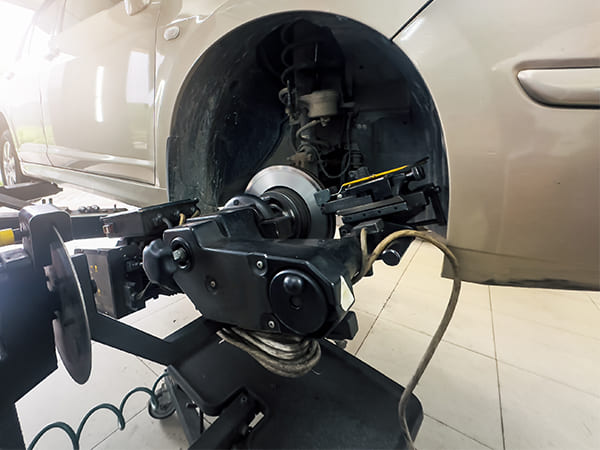
Before diving into the repair process, it’s important to understand how your brake system works. A brake system consists of several key components:
- Brake Pads and Shoes: These parts create friction against the rotors or drums to slow down or stop the vehicle.
- Rotors and Drums: These are the surfaces against which the brake pads or shoes press to generate friction.
- Brake Fluid: Hydraulic fluid that enables the brake system to apply pressure to the brake pads and rotors.
- Calipers: These clamp the brake pads onto the rotors when pressure is applied, creating the friction needed to stop the vehicle.
- Master Cylinder: A part that converts the pressure applied to the brake pedal into hydraulic force.
Brakes are a hydraulic system, which means that when you press the brake pedal, brake fluid is sent to the calipers to apply pressure on the brake pads. The system is finely tuned to ensure efficient braking power, and when one part fails, it can affect the entire system.
Common Brake Problems and Symptoms for Denver Drivers
It’s important to recognize brake issues early for safety. Here are the most common brake problems you may encounter in Denver:
1. Worn Brake Pads
- Squeaking or Squealing Sounds: Indicates the pads are too thin.
- Reduced Stopping Power: Longer stopping distances, especially on hilly terrain.
- Vibration: Uneven wear can cause vibrations when braking.
2. Worn or Warped Rotors
- Pedal Vibration: Warped rotors cause vibrations during braking.
- Noise: Pulsating or grinding sounds may signal rotor damage.
3. Low Brake Fluid
- Soft Pedal: A “spongy” pedal feel often indicates low fluid.
- Warning Light: Most vehicles have a brake fluid light that will activate when fluid is low.
4. Leaking Brake Fluid
- Decreased Braking Performance: Soft pedal or longer stopping distances.
- Fluid Puddles: Look for leaks near the wheels or under the car.
5. ABS Warning Light
- The ABS light could indicate a problem with the anti-lock braking system, affecting braking control, especially on slippery surfaces.
Brake System Repair Process: A Step-by-Step Guide
Now that you’re familiar with common brake issues, let’s go over the brake system repair process. Depending on the severity of the problem, some repairs might be simple, while others require more advanced work.
Step 1: Inspecting the Brake Pads and Rotors
The first step in diagnosing brake issues is to inspect the brake pads and rotors. Look for:
- Pad Thickness: If the brake pads are thinner than 1/8 inch, it’s time to replace them.
- Rotor Condition: Check for any grooves, scoring, or warping. If the rotors are warped or damaged, they should be resurfaced or replaced.
Step 2: Checking and Replacing Brake Fluid
If the brake pedal feels soft or the warning light indicates low fluid, it’s important to check the brake fluid level:
- Top off the Fluid: If it’s low, top it off with the recommended brake fluid type. However, if the fluid is consistently low, there might be a leak.
- Flush the Brake Fluid: Over time, brake fluid absorbs moisture, which can degrade braking performance. If your fluid is dark or contaminated, a brake fluid flush is recommended.
Step 3: Replace the Brake Pads
If the brake pads are worn, they need to be replaced. Here’s how the process works:
- Remove the Wheel: First,the vehicle is raised safely to access the brake components to access the brake components.
- Remove the Caliper: Use a wrench to remove the caliper from the rotor. Be cautious of the brake lines to avoid damaging them.
- Replace the Pads: Slide the old pads out and replace them with new ones. Ensure the new pads fit snugly and are correctly aligned.
- Reassemble the Brakes: Reattach the caliper and wheel, and lower the vehicle back to the ground.
Step 4: Replacing or Resurfacing the Rotors
If the rotors are damaged:
- Resurfacing: For slight imperfections, you can resurface the rotors, which removes the grooves and restores the smoothness of the surface.
- Replacement: For significant damage, it’s better to replace the rotors entirely.
Step 5: Test the Brake System
Once repairs are completed, it’s important to test the brake system:
- Brake Pedal Feel: Ensure that the brake pedal feels firm and responsive.
- Test Drive: Perform a low-speed test drive to ensure the brakes are working efficiently. Listen for any unusual noises or vibrations.
Real-World Case Study: Brake System Repair in Denver, CO
One of our customers, Sarah from Denver, came in with a warning light indicating low brake fluid. Upon inspection, we found that her brake pads were excessively worn, and the rotors were warped from frequent mountain driving. After replacing the pads, resurfacing the rotors, and flushing the brake fluid, Sarah reported a significant improvement in braking performance. Her braking response improved noticeably, and the soft brake pedal feel was resolved, ensuring her safety on Denver’s hilly roads.
Why Regular Brake Maintenance is Crucial for Denver Drivers
Denver’s unique climate and mountainous terrain can put added strain on a vehicle’s brake system. Regular brake system maintenance is essential to:
- Promote safety: Brakes are critical to helping the vehicle stop effectively, especially on steep descents.
- Enhance Vehicle Longevity: Timely brake repairs prevent further damage to expensive components like rotors.
- Improve Performance: Properly maintained brakes respond faster and more effectively.
FAQs
How often should I replace my brake pads in Denver?
Brake pads should typically be replaced every 30,000 to 50,000 miles, depending on driving habits and terrain. In Denver’s hilly areas, you may need to replace them more frequently.
Can I drive with worn-out brake pads?
No. Worn-out brake pads reduce stopping power and can damage the rotors. It’s essential to replace them as soon as you notice signs of wear.
How much does brake system repair cost in Denver?
The cost can vary depending on the severity of the issue. Brake pad replacement costs vary depending on the vehicle and the type of pads used. Rotor replacement may also vary based on the condition and design.
Why does my brake pedal feel soft in my Denver car?
A soft brake pedal usually indicates low brake fluid or air in the brake lines. You should address this issue immediately to ensure your safety.
How can I tell if my rotors are warped?
If you notice vibration or hear unusual sounds when braking, it could indicate warped rotors. A mechanic can inspect and replace them if necessary.
Stay Safe on the Road: Schedule Your Brake Repair Today!
Your brake system’s health directly affects how safely you drive. In Denver, the combination of steep grades and sudden snowstorms means the brakes take extra abuse, so regular checks are a must. Regular checkups and prompt fixes help stop bigger, more expensive problems from appearing later. For brake system repairs or routine maintenance in Denver, trust Salta Automotive. Our team of experts is ready to ensure your vehicle’s brakes are in excellent condition for all of Denver’s challenges. Explore more of our helpful guides or schedule a service today!