Owning a Volkswagen in Denver comes with unique challenges—high altitude, changing weather, and strict emissions rules can all take a toll on your exhaust system. Whether you’re noticing strange sounds, preparing for an emissions test, or just want to stay ahead of repairs, this guide has you covered.
We’ll explain how your VW’s exhaust system works, the most common issues in Denver, how repairs are handled, and why acting early matters. You’ll also get a local case study and quick, voice-friendly answers to the top questions from Colorado drivers.
No fluff—just expert info to keep your Volkswagen running clean and strong.
What Is a Volkswagen Exhaust System (and Why It Matters)
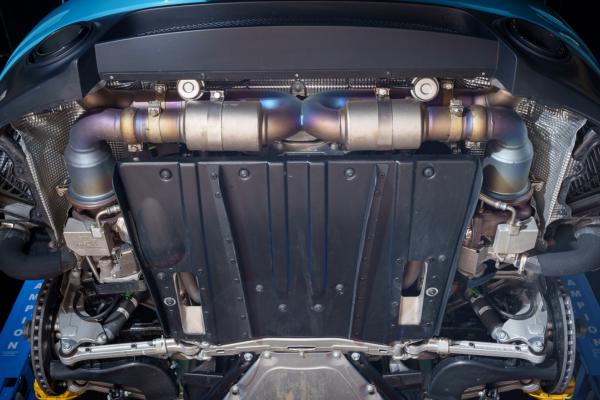
The exhaust system routes combustion gases from the engine out to the atmosphere, while also minimizing noise, reducing harmful emissions, and helping regulate backpressure for engine performance. The primary components include:
- Exhaust manifold or header
- Oxygen (O₂) sensors or NOx sensors
- Catalytic converter
- Resonator(s)
- Muffler
- Tailpipe
- Mounting brackets, hangers, gaskets
On Volkswagens, the system may additionally include flap actuators (for variable exhaust paths) or sound enhancement systems (e.g., Soundaktor) that modulate or amplify exhaust sound inside the cabin.
Because VW (especially TDI diesel models) often comes with stricter emissions hardware, diagnosing and repairing exhaust faults can be more intricate than with generic cars.
Common VW Exhaust Problems in Denver
Denver’s altitude, road salt, and weather extremes can wear down your VW’s exhaust faster than you’d expect. Here are the top issues to watch for:
1. Exhaust Leaks & Rust
Rust builds up quickly under Denver’s fluctuating conditions. Leaks often form at gaskets or joints, causing loud noises, exhaust smells in the cabin, and poor fuel economy.
2. Failing Oxygen or NOx Sensors
Worn sensors can cause your engine to run rich or lean—hurting performance and emissions. These are a top reason VWs fail local emissions tests.
3. Catalytic Converter Trouble
A clogged or damaged converter leads to power loss, sulfur smells, and failed emissions. Denver has also seen waves of converter theft, though rates have recently declined.
4. Faulty Exhaust Flap Actuators
Many VWs have adjustable exhaust flaps. When actuators fail, you may hear loud startup noise, rough transitions, or get a check engine light.
5. Broken Mounts or Resonators
Hangers and brackets wear out, causing rattles, sagging pipes, or dragging parts. Freeze-thaw cycles around Denver speed up this kind of damage.
How Exhaust System Repair Works: Step-by-Step
Below is a generalized workflow of diagnosing and repairing a VW exhaust system. Specifics can vary depending on model, engine type (gasoline vs. diesel), and emissions hardware.
- Initial inspection & symptom gathering
- Road test, listen for leaks
- Check for smoky exhaust or odors
- Scan ECU codes (OBD-II)
- Lift & visual inspection
- Inspect joints, flanges, pipes, welds for rust or holes
- Check sensor ports and wiring
- Examine hangers, mounts, brackets
- Smoke or pressure test (optional)
- Introduce low-pressure smoke into system to detect leaks
- Or back-pressure test to see if the exhaust path is blocked
- Sensor testing / measurement
- Test O₂ / NOx sensors for proper voltage or resistance
- Replace or re‑calibrate as needed
- Catalytic converter evaluation
- If blocked, attempt cleaning (rare for VW) or replace
- Ensure OEM or emissions-compliant unit is used (per U.S. law)
- Exhaust component replacement / repair
- Replace damaged pipe sections, mufflers, gaskets, flanges
- Replace failed actuator or flap assemblies
- Use proper purge, torque, and anti‑seize where appropriate
- Reassembly & sealing
- Use new gaskets or wrap as needed
- Tighten flanges in stages
- Ensure proper hanger alignment and clearance
- Post-repair testing
- Road test for leaks or noise
- Monitor ECU for codes
- Verify emissions compliance if needed
Because Volkswagen’s exhaust architecture is more complex than standard models (especially for turbocharged or diesel engines), many of these steps require advanced diagnostics and precise calibration.
Benefits of Early and Proper Repair
Repairing exhaust issues early yields multiple benefits:
- Emissions compliance: Avoid failing the state emissions test in Denver.
- Fuel efficiency: A perfectly tuned exhaust helps the engine run at optimal efficiency.
- Performance: Restores lost power, prevents rough running.
- Safety: Avoid dangerous exhaust fumes leaking into the cabin.
- Longevity: Prevents further corrosion or damage cascading to downstream parts.
- Cost control: Early repairs are cheaper than full replacements.
In Denver, failing emissions standards can result in vehicle registration hold or penalties. Because Colorado maintains Emissions Technical Centers to diagnose repeat failures, running a properly functioning exhaust system is not just beneficial—it’s legally prudent.
Also, Colorado’s emissions repair guide tracks the performance of repair shops in the Denver metro area, so doing it right matters for reputation.
Case Study: VW Jetta Diesel in Denver
Background
A 2012 VW Jetta TDI owner in Denver noticed a gradual loss of power over months, intermittent check-engine light (code P0420), and failing a local emissions inspection.
Diagnosis
- Visual inspection: minor exhaust leakage at flange gaskets
- O₂ / NOx sensors exhibited degraded performance on scanning
- Catalytic converter partially clogged with soot buildup
Repair Plan & Execution
- Replaced exhaust gasket and flanged sections
- Installed new OEM O₂ / NOx sensors
- Replaced the catalytic converter with emissions-compliant aftermarket unit
- Sealed, reassembled, tested
Results
- Emissions test passed afterward
- Power and throttle response restored
- Check-engine light cleared
- Fuel consumption improved by ~5%
This example illustrates how even small leaks + aged sensors + converter issues can combine into a larger problem. Address all components together for best result.
Local Denver & Colorado Context & Data
- Colorado’s Emissions Technical Center in Denver handles both gasoline and diesel vehicles and supports state compliance efforts.
- Repair shops in the Denver metro area are rated in the Air Care Colorado Emissions Repair Guide, which tracks emissions repair effectiveness.
- Many Denver-area repair shops (e.g. House of Mufflers & Brakes) are certified as state emissions repair facilities and may advertise catalytic converter or exhaust repair as part of emissions certification.
- The decrease in catalytic converter thefts in Denver in recent years is tied to lower precious metal prices (especially rhodium) and regulatory changes that restrict resale of stolen converters.
- In addition, because VW was at the center of the emissions scandal involving defeat devices (software that manipulated emissions tests), many VW owners are more wary of exhaust and emission system integrity.
All of this means that for VW owners in Denver, a reliable exhaust repair isn’t just a mechanical matter—it’s tied into regulatory compliance, resale value, and environmental accountability.
Frequently Asked Questions About Volkswagen Exhaust Repair in Denver
Why does my Volkswagen sound louder all of a sudden?
A sudden increase in exhaust noise often means there’s a leak—usually from a rusted pipe, broken gasket, or failed muffler. Denver’s road salt and freeze-thaw cycles make this a common issue.
What does it mean if my VW failed emissions in Colorado?
If your VW fails emissions, the most likely causes are a faulty oxygen sensor, catalytic converter issues, or an exhaust leak. A diagnostic scan can pinpoint the exact problem.
Can high altitude in Denver affect my VW’s exhaust system?
Yes. Denver’s altitude leads to lower oxygen levels, causing the engine and exhaust system to work harder. This can speed up wear on sensors and converters, especially in turbocharged models.
How can I tell if my catalytic converter is bad in my Volkswagen?
Look for signs like poor acceleration, a rotten egg smell, increased fuel use, or a check engine light. In Denver, a failing catalytic converter can also lead to a failed emissions test.
Is it legal to install a louder or aftermarket exhaust on my VW in Colorado?
You can upgrade for sound, but your exhaust system must still meet Colorado’s emissions standards. Removing or modifying catalytic converters is illegal and will fail inspections.
Why Timely VW Exhaust Repair Matters—Especially in Denver
Your Volkswagen’s exhaust system is more than just pipes and mufflers—it’s an emissions control network, a performance enabler, and a legal compliance device. In Denver, where altitude, road conditions, and strict emissions rules converge, neglecting exhaust issues can cost you performance, safety, and even the ability to register your car.
If you suspect a leak, sense a loss of power, or receive emissions failure, don’t wait. A proper diagnosis that checks sensors, converters, flanges, and actuators in concert is the only way to fully resolve these issues and restore your VW’s health.
For more detailed reading—such as diagnosing sensor codes, aftermarket exhaust options, or emissions test tips—check out our related articles.
When you’re ready for expert assistance, Salta Automotive is ready to help you navigate VW exhaust repairs with confidence.