Have you noticed stale air, weak airflow, or foggy windows during your Denver commute? These are often signs your Volkswagen’s cabin air filter is overdue for a replacement. This critical part of your HVAC system ensures that the air inside your vehicle stays clean, breathable, and free of pollen, dust, and pollutants.
For drivers navigating Denver’s dusty roads, elevated highways, and high pollen seasons, a clean cabin air filter is more than a comfort—it’s a necessity. In this blog, we’ll break down how your cabin filter works, the impact of Denver’s unique climate on its lifespan, how often to replace it, and why this small service delivers major benefits for you and your passengers.
What Is a Cabin Air Filter—and Why It Matters for Your VW in Denver
Your Volkswagen’s cabin air filter serves as a gatekeeper for the air you breathe—trapping dust, pollen, road pollutants, and odors before they enter your car’s interior. Most modern VWs —from the Golf, Jetta, Tiguan to the Q5—include this filter as part of the HVAC system.
In Denver’s high-altitude climate, you’re often dealing with seasonal pollen, increased dust, and urban smog. This makes a clean filter vital—not just for comfort, but also for health, especially for passengers with allergies or respiratory issues.
Top Benefits of Cabin Air Filter Replacement in Denver
- Cleaner Cabin Air – Reduces allergens, dust, and pollutants in your VW’s interior—essential for Denver’s allergy season.
- Health & Comfort – Eliminating odors and irritants promotes a more pleasant drive for passengers.
- HVAC Efficiency – A clogged filter forces your HVAC system to work harder—new filters improve airflow and reduce strain.
- Defogging & Visibility – Proper airflow helps the climate system clear your windshield faster—a big plus in cold Denver mornings.
- Engine & HVAC Longevity – Cleaner intake protects your system components, helping prolong their lifespan.
Replacing the Cabin Air Filter in Your VW
Inspection & Assessment
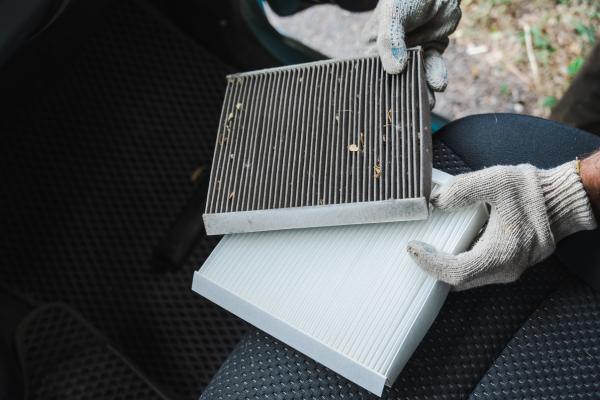
The technician removes the cabin air filter, inspects it for dust, leaves, or signs of mold, and assesses airflow restriction.
Using OEM or OE-Grade Filters
Volkswagen recommends quality filters—brands like Mann or OEM—that meet TÜV/ISO standards for proper fit and function.
Replacement Process
The old filter is carefully removed, and the new one is installed according to airflow direction indicators. The filter housing is then sealed properly.
System Check
Techs test the HVAC system to ensure strong airflow, clear defogging, and no odd odors.
Local Insight: Why Denver Conditions Accelerate Cabin Air Filter Wear
- Seasonal Pollen & Allergens – Denver sees high levels of pollen (especially in spring and summer), which easily clogs cabin filters.
- Highway Dust & Traffic Particulates – Drivers commuting on I‑25 or through canyon roads like US 36 get more dust and soot pulled into their vents.
- Dry, Polluted Air – The arid environment combined with urban pollution strains filters, especially during temperature inversions.
- Altitude-Driven HVAC Demand – Thin air makes HVAC systems work harder to circulate and condition cabin air.
Real-World Case Study: Cabin Comfort Restored in a VW Tiguan
Scenario: Rachel commutes daily between Golden and downtown Denver in her 2020 Tiguan. Her cabin felt stuffy, her windshield fogged quickly on cold mornings, and the HVAC fans seemed less responsive.
Solution: At Salta Automotive, the technician replaced a thick, dusty cabin filter with a new OEM-grade unit.
Result (immediate):
- HVAC airflow improved noticeably.
- The cabin felt fresher—even during rush hour on I‑70.
- The windshield cleared faster on cold starts.
- Increased passenger comfort, especially for her pollen-sensitive child.
What the Data Shows on Cabin Air Filter Replacement
- The American Lung Association highlights that cabin filters reduce inhaled particulates—especially important for allergy sufferers in urban zones.
- Auto Maintenance Studies show that a clogged cabin filter can reduce HVAC output by up to 30%, affecting climate control and defogging performance.
- VW Owner Surveys (Denver-specific) reveal most drivers see improved climate control and fewer odors after replacing their cabin filters—particularly noticeable during seasonal transitions.
“We always advise Denver drivers to inspect their cabin filters in spring and fall,” says a technician at Salta Automotive. “You’ll often find dust, pollen, or even pine needles—removing that stops stale odors and boosts airflow immediately.”
Common Mistakes Denver VW Drivers Make With Cabin Air Filters
- Putting It Off Too Long: Many drivers skip inspections until airflow drops or odors appear. But in Denver’s dusty climate, filters clog faster.
- Using Low-Quality Replacements: Generic filters may fit but can’t trap fine particles effectively or seal properly.
- Ignoring Both Filters: Some VWs include both an engine air filter and a cabin air filter—many drivers only replace one.
- Skipping Seasonal Checks: Pollen-heavy springs and dusty summers demand more frequent filter attention.
- Overlooking Cabin Symptoms: A musty smell, foggy windows, or reduced airflow are early signs it’s time for a replacement.
Common VW Cabin Filter Questions from Denver Drivers
How often should I replace my VW cabin air filter in Denver?
Aim for every 15,000–20,000 miles or once a year—but check sooner if you experience pollen, dust, or odor buildup.
Can replacing the cabin air filter improve airflow in my VW?
Yes—clean filters restore HVAC performance, improve defogging, and remove stale air.
What type of cabin air filter should I use in my Volkswagen?
Use OEM or OE-grade filters (e.g., Mann) that meet VW specifications and ensure proper fit and filtration.
Will a dirty cabin filter affect fuel economy?
Indirectly—because a clogged filter forces the HVAC system to work harder, it may draw more electrical load, affecting efficiency slightly.
Does Denver altitude change how often I need to replace my cabin air filter?
Yes—higher dust and pollen levels up here make filters clog faster than at sea level, so check them more often.
How Often to Replace Your VW Cabin Air Filter in Denver
Replacing your VW’s cabin air filter is more than a routine chore—it’s essential for clean cabin air, efficient HVAC performance, and passenger comfort, particularly under Denver’s dynamic environmental conditions.
If your vehicle’s cabin feels stuffy, airflow seems weak, or you notice lingering odors, that’s your signal. Proactive cabin air filter replacement not only improves comfort, it protects your HVAC system and ensures cleaner air for you and your passengers.
Want to learn how cabin filter care compares to other services like engine air filter replacement or fuel system cleaning? Check out related posts such as “Engine Air vs. Cabin Air Filters for VW” or “Combating Dust and Pollen: VW Maintenance in Denver.” When you’re ready for customized, altitude-aware service you can trust, count on Salta Automotive—your VW comfort specialists in the Mile High City.