If your Volkswagen starts to feel sluggish, your engine light flickers, or you see reduced fuel economy, a clogged air filter might be the culprit. For VW drivers in Denver, with its high elevation, thin air, and seasonal dust, keeping your engine breathing smoothly is especially important.
In this guide, we’ll explore:
- When and why to change your VW’s air filter
- What the replacement process involves
- How Denver driving conditions affect air filter life
- A real-world example and data
- Common mistakes VW owners make
- FAQs tailored to VW drivers in the Mile‑High City
The Role of the Air Filter in Your VW’s Engine Health
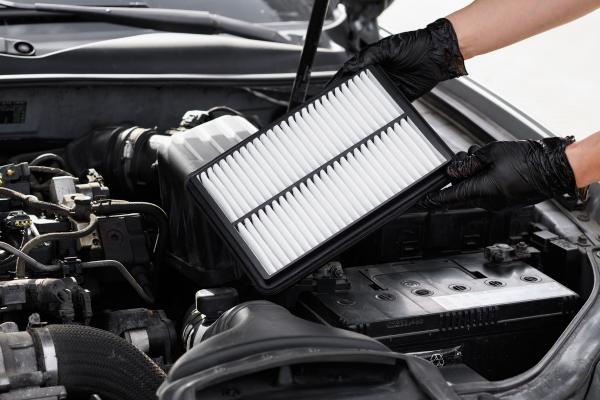
The engine air filter is your VW’s first line of defense against dust, pollen, and road debris. It filters the air entering the intake system so that only clean air reaches the combustion chamber. A healthy air filter means:
- Proper air–fuel mixture
- Consistent power delivery
- Reduced engine wear
- Better fuel economy
In Denver’s environment—dry air, seasonal windblown dust, and occasional grit on mountain roads—the air filter is exposed to more contaminants than in many other places. That means the filter can clog faster, reducing airflow and forcing the engine to “work harder.”
When to Change Your VW’s Air Filter: Recommended Intervals & Adjustments
Manufacturer & Community Benchmarks
- Some VW techs and forums cite 90,000 km (≈ 56,000 miles) or 6 years as a scheduled interval for engine air filter replacement under “normal” conditions.
- Others recommend shorter intervals: 30,000 miles is quoted by some VW dealerships as a guideline.
- Yet another common recommendation is 12,000–20,000 miles (or annually) for VW filters under real-world driving conditions.
- Some owner community advice suggests changing earlier in dusty or harsh conditions.
Because the published intervals vary widely, it’s wise to treat them as upper limits under “ideal” conditions—not fixed rules for every environment.
Recommended Interval for Denver Drivers
Given Denver’s altitude and dust exposure, here’s a practical guideline:
| Condition | Suggested Interval* |
| Normal city/highway driving in Denver | Every 15,000–25,000 miles (or 1–2 years) |
| Driving in dusty, high-dirt, or mountain-road conditions | Every 10,000–15,000 miles |
| Light highway use, clean air, minimal dust | Up to 30,000 miles, with filter inspection every service |
*Always inspect the filter visually at every major service. Replace earlier if it’s dirty, damaged, or airflow is restricted.
What the Air Filter Replacement Process Looks Like (for VW models)
When you bring your Volkswagen in for an air filter change, here’s what a quality service should include:
- Pre-inspection and diagnostics
The technician inspects the filter housing, checks for debris, and may scan for any intake- or airflow-related engine codes.
- Remove the old filter and clean the housing
Dust, leaves, or grit in the airbox should be vacuumed or wiped out before installing a new filter.
- Install a correct VW-compatible filter
Use genuine VW or trusted OEM-grade filters that match model specifications (size, material, sealing surface).
- Secure the filter housing properly
Ensure clamps, screws, or seals close tightly so no unfiltered air sneaks past the filter.
- Post-checks
After installation, the technician may run a short test or verify engine performance to ensure there’s no check engine light or airflow disruption.
Because it’s a relatively quick service (usually less than an hour), many shops bundle it with other maintenance tasks.
Why Denver Elevation & Climate Matter for Air Range
1. Thin Air & Efficiency Stress
At higher elevation, the engine is already pumping less dense air. If the filter further restricts airflow, lean conditions or reduced power can result.
2. Thermal Cycling & Sediment
Denver often swings between cool nights and hot days. These fluctuations can shake loose sediment inside the intake housing or degrade filter seals over time.
3. Dust, Salt & Debris Exposure
Mountain roads, seasonal construction, winter salt, and wind-blown dust all contribute extra particulates that stress the filter more than in “clean air” regions.
Real‑World Case Example: VW Jetta in Denver
Scenario: Jana drives a 2018 VW Jetta from Thornton to downtown Denver daily. She hit ~24,000 miles and noticed her MPG drop, more frequent “stutter” under acceleration, and slight hesitation at altitude.
Service & Findings:
- Technicians discovered the air filter element was heavily clogged with fine dust—nearly opaque.
- Filter housing also had loose sand accumulation.
- Replaced with a high-quality OEM VW filter, cleaned housing, resealed properly.
Results (after ~100 miles):
- MPG improved by about 1.2 mpg.
- Throttle response sharpened, especially on highway inclines.
- No engine codes or hesitation, even at elevation on I‑70 ramp.
While not a dramatic overhaul, the difference was noticeable in everyday driving.
Data & Insights on Air Filter Changes
- VW’s factory schedules tend to err on the conservative, “ideal condition” side (e.g. many models’ manuals show long intervals).
- Independent mechanics often shorten intervals significantly in practice, especially in dusty or urban environments.
- Fuel economy gains from replacing a clogged filter may be modest (0.5–1.5 mpg), but performance consistency, engine protection, and emissions benefits are often more meaningful.
Common Mistakes Denver VW Owners Make with Air Filters
- Waiting too long — Letting filters clog well past 30,000+ miles risks power loss and increased engine strain.
- Using cheap or incorrect filters — Mismatched filters may allow bypass leakage or degrade prematurely.
- Skipping housing cleanup — Even a new filter won’t help if the box is full of grit.
- Not factoring driving conditions — A “normal interval” may not suit dusty routes, mountain drives, or seasonal change.
- Ignoring the filter until symptoms appear — Loss of performance, hesitation, black exhaust smoke, or check engine light are avoidable warning signs.
Common VW Air Filter Questions from Denver Drivers
1. How often should I change the Volkswagen air filter in Denver?
Every 15,000–25,000 miles (1–2 years) under normal conditions. In dusty or mountain-road conditions, consider 10,000–15,000 miles.
2. Can I just clean and reuse a disposable air filter?
No, most VW engine filters are not designed for servicing. Use the correct replacement element to maintain filtration and engine protection.
3. Will replacing the air filter boost my MPG significantly?
You may see 0.5–1.5 mpg improvement, but the real benefit is consistent performance, less stress on the engine, and lower emissions.
4. What happens if the filter is clogged?
Restricted airflow can lead to a rich air–fuel mixture, reduced power, hesitation, rough idling, and possible long-term engine stress.
5. Should I inspect the air filter more often during winter or summer?
Yes. Winter sanding, salt, and windblown debris, plus summer dryness, can accelerate clogging—so check filters around every oil change in extreme seasons.
Should You Replace Your VW’s Air Filter in Denver Now?
Absolutely. For Volkswagen owners in Denver, regular Volkswagen Air Filter Change isn’t just preventive — it helps preserve power, responsiveness, and engine longevity in a challenging driving environment.
If your VW has logged over 15,000 miles since the last filter swap—or if you drive dusty routes or mountain roads—a proactive inspection or replacement is wise. You’ll gain smoother airflow, steadier combustion, and peace of mind knowing your engine is getting clean air even in thin, Denver air.
Ready to keep your VW breathing clean, even in Denver’s dusty, high-altitude conditions? Salta Automotive offers precision air filter replacements and seasonal inspections tailored to Colorado driving. Stop by or schedule your next service with a team that understands Volkswagen care at elevation.