If you own a Volkswagen in Denver, navigating emissions testing is part of the ownership journey. With local regulations, model-year exemptions, and evolving testing formats like kiosks and roadside sensors, understanding the process can help you stay compliant, save time, and breathe easier—literally.
Whether you’re registering a vehicle for the first time in Colorado or renewing plates after a few years, emissions compliance affects your ability to stay on the road legally. Knowing what’s required for your VW model—and what’s changing in the near future—can help you avoid surprises at the DMV.
What Is VW Emissions Testing in Denver?
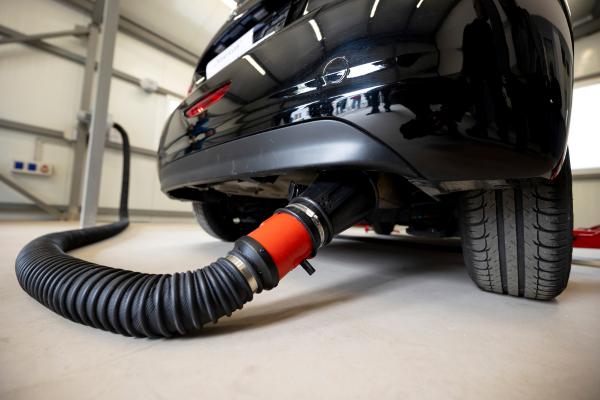
Definition: Emissions testing in Colorado is a state-mandated inspection that ensures vehicles are not emitting excess pollutants like hydrocarbons, carbon monoxide, and nitrogen oxides. For Volkswagen owners, this means verifying that your vehicle’s emissions control systems—like the catalytic converter, oxygen sensors, and onboard diagnostics (OBD-II)—are working properly.
In Denver’s emissions program, these tests vary by model year and fuel type. Most modern VWs will undergo an OBD-II scan, while older models (pre-1996) may go through a two-speed idle or dynamometer test. Gas caps are also inspected to ensure proper sealing, which is a common reason for failure.
When and Where Is Testing Required?
In Denver and surrounding counties—including Adams, Arapahoe, Boulder, Broomfield, Douglas, Jefferson, and parts of Larimer and Weld—emissions testing is mandatory under Colorado’s Enhanced Inspection and Maintenance Program.
Who Must Test:
- Gasoline-powered VW (Model Year 1982 and newer): Testing is required every two years after a 7-year exemption period.
- Gasoline models 1981 and older: Must be tested annually.
- Diesel models (light-duty): Exempt for the first 4 years; then biennial testing begins.
- Heavy-duty diesels and older diesels: Require annual inspections.
Additional Testing Triggers:
- Vehicle transfer of ownership: Even if your car is in its exemption window, a sale will require an emissions inspection.
- New to Colorado registration: If you’re registering a VW in Colorado for the first time, you’ll need to pass an emissions test unless your model is within the new vehicle exemption period.
Where to Get Tested:
- Air Care Colorado stations are the official testing centers. There are several locations throughout the metro area.
- RapidScreen roadside sensors may exempt qualifying vehicles that pass remote sensing checks while driving.
- Diesel Emissions Testing Stations are required for diesel vehicles not handled by Air Care Colorado.
How the Testing Process Works
- Safety & Visual Inspection – The technician verifies your vehicle is safe to test and checks for visible emissions components (gas cap, catalytic converter, etc.).
- Gas Cap Pressure Test – A pressure check ensures no leaks. Loose or damaged caps result in immediate failure.
- Emissions Testing – The type depends on your vehicle:
- OBD-II scan for newer VWs (1996 and up)
- Two-speed idle for older models
- IM240 dyno test for specific cases
- Result Reporting – If your vehicle passes, results are uploaded to the DMV system. If it fails, repairs are required before retesting.
- RapidScreen & Future Kiosks – Clean vehicles may be cleared via roadside sensors. By 2026, self-service kiosks will allow you to plug in and test yourself at designated stations.
Why It Matters—Real Benefits for Denver Drivers
- Cleaner Air: Helps reduce harmful emissions in the Front Range, which faces regular ozone alerts.
- Avoid Registration Delays: You cannot renew registration if your vehicle fails or skips emissions testing.
- Catch Hidden Problems: A failing catalytic converter or O2 sensor can cost more if ignored. Testing finds issues early.
- Support Modern Tools: With kiosks and RapidScreen coming into play, it’s easier than ever to stay compliant without disrupting your schedule.
Case Study: 2015 VW Jetta in Boulder County
Situation: A 2015 VW Jetta owner narrowly missed testing due to travel. During renewal, they opted for a RapidScreen. No failures or warnings—saving them a visit to a testing center.
Process: A roadside sensor confirmed low emissions and notified the clerk. Registration was renewed without a station visit.
Takeaway: Well-maintained VW in Denver’s Front Range can pass via RapidScreen—talk about convenience!
What’s Changing: New Emissions Testing Options Coming to Denver
As Colorado continues to modernize its emissions inspection process, here’s what VW owners in Denver should prepare for:
Self-Service Kiosks (Coming 2026):
These DMV-integrated kiosks will allow drivers to perform their own emissions test using a plug-in device. They’ll be ideal for vehicles aged 8–11 years and will help reduce wait times at testing centers. However, they won’t be able to test gas cap pressure—so not all vehicles will qualify.
Expanded RapidScreen Program:
Remote sensing stations placed on busy roads now scan more vehicles than ever. If your VW passes twice in a short timeframe, you could skip the inspection station entirely.
Diesel Testing Updates:
Diesel standards are tightening, particularly for opacity levels. Light-duty and heavy-duty diesels must meet stricter requirements, and older diesel VWs may be subject to more frequent inspections.
System Integration:
Testing data is now shared directly with DMV systems. This reduces paperwork and ensures real-time compliance tracking.
Denver Emissions Testing Stats: Why Awareness Pays Off
Understanding your local emissions program can help you avoid fines, missed registrations, and unnecessary repairs. Here’s how Denver stacks up:
| Metric | Detail |
| Frequency | Biennial (gas, <7 yrs old exempt); Annual (older gas/diesels) |
| RapidScreen Eligibility | 2023 data shows ~30% of vehicles were cleared via roadside sensors |
| Common Fail Points | Loose gas caps, O2 sensors, EVAP system leaks |
| Average Test Duration | 15–20 minutes at Air Care Colorado stations |
| Kiosk Pilot Rollout (Planned) | Set for statewide expansion by 2026 |
Staying current with these rules not only keeps you legal—it helps improve community air quality and vehicle reliability
What Denver VW Owners Ask About Emissions
Do all VWs in Denver need emissions testing?
Only if registered in Front Range counties (like Denver). Newer VW models (within the first 7 years) are exempt initially.
How often do I need to test?
Biennially for most VW models, after the first exemption period. Older models or older diesels test annually.
What can cause an automatic failure?
Faulty or missing catalytic converters, gas caps, or a malfunctioning OBD system.
Can I skip the test if I drive a clean car?
Yes, RapidScreen roadside passes can waive the testing station visit if your VW emissions look clean.
What if I just moved to Colorado with my VW?
You must get tested within 90 days unless your model is still under the initial exemption rule.
VW Emissions Testing in Denver: Smart Steps for Savvy Owners
Owning a Volkswagen in Denver means keeping up with changing emissions requirements—from model-year exemptions to remote sensing. You can pass inspections more easily if your vehicle is maintained, your gas cap seals, and you’re prepared for new testing kiosks. That proactive approach keeps your VW clean, compliant, and registration-friendly—plus it supports healthier air for all of Colorado.
Stay ahead and stay compliant: know your exemption window, maintain your emissions systems, and watch for new testing options like RapidScreen or kiosks in 2026.Want deeper VW emissions insights or repair tips before testing season? Explore related articles at Salta Automotive to stay prepared and informed.