
When your Volkswagen’s check-engine light turns on, you want straight talk—and expert solutions. In Denver, Colorado, trusted shops combine precision tools, deep experience, and local know-how to uncover engine problems quickly. This guide peels back the layers of VW engine diagnostics—from definitions to real-world case studies—so you know what’s happening under your hood and why it matters.
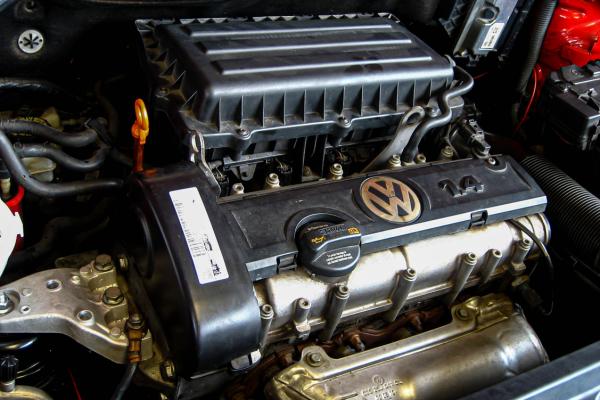
What Are VW Engine Diagnostics?
Definition: Engine diagnostics is the process of identifying vehicle problems using scan tools, sensors, and test drives to interpret fault codes and system behaviors. For Volkswagen, diagnostics specifically rely on VW’s proprietary systems—like VCDS (formerly known as VAG‑COM)—and OBD‑II protocols standardized nationwide.
Why VW requires special tools: Volkswagen vehicles use unique modules and data formats not always fully accessible via generic OBD‑II tools. Denver technicians depend on VCDS (Ross‑Tech) or OEM‑level diagnostic platforms to read detailed fault codes (e.g., P2007 for diesel particulate system or camshaft adjusting valve issues) that generic scanners can’t interpret. These tools unlock hidden data from modules like ECU, TCM, ABS, and even infotainment units.
How Denver Shops Diagnose VW Engines – Step by Step
- Initial Scan (OBD‑II)
- Shops start with a quick OBD‑II scan to retrieve generic engine codes (P‑codes). This gives a high‑level warning (e.g., misfire, emissions fault).
- Shops start with a quick OBD‑II scan to retrieve generic engine codes (P‑codes). This gives a high‑level warning (e.g., misfire, emissions fault).
- Advanced VW Scan (VCDS/VAS)
- Using the VCDS platform, technicians dive deeper into VW‑specific fault codes, adaptations, and live‑data parameters, including fuel trims, cam timing, variable valve timing, and turbo boost data.
- Using the VCDS platform, technicians dive deeper into VW‑specific fault codes, adaptations, and live‑data parameters, including fuel trims, cam timing, variable valve timing, and turbo boost data.
- Live‑Data Analysis
- They monitor sensor feed in real time—air‑fuel ratio, coolant temp, MAF, and MAP readings—while the engine runs. This catches intermittent issues like weak spark or failing injectors.
- They monitor sensor feed in real time—air‑fuel ratio, coolant temp, MAF, and MAP readings—while the engine runs. This catches intermittent issues like weak spark or failing injectors.
- Functional Tests and Adaptation Resets
- Shops can perform advanced functions like throttle‑body reset, idle‑rate matching, or turbo adaptation. These steps recalibrate adaptive systems and test actuator responses.
- Shops can perform advanced functions like throttle‑body reset, idle‑rate matching, or turbo adaptation. These steps recalibrate adaptive systems and test actuator responses.
- Road Test with Logging
- A short test drive with data logging helps replicate faults—like hesitation under load or poor cold starts. This context is essential for diagnosing “gremlins” that only appear in motion at altitude (relevant in Denver’s 5,280 feet).
- A short test drive with data logging helps replicate faults—like hesitation under load or poor cold starts. This context is essential for diagnosing “gremlins” that only appear in motion at altitude (relevant in Denver’s 5,280 feet).
- Cause Analysis & Fix Verification
- Finally, they pinpoint the root cause—whether it’s a clogged intake gasket, failing coil pack, or DPF regeneration failure—and clear codes to verify the fix.
- Finally, they pinpoint the root cause—whether it’s a clogged intake gasket, failing coil pack, or DPF regeneration failure—and clear codes to verify the fix.
Benefits of Proper VW Engine Diagnostics in Denver
- Precision Repairs: Accurate fault detection means you fix the real issue—not guesswork. That saves money and time.
- Safety & Performance: Identifying misfires or lean/rich conditions enhances both engine longevity and drive quality.
- Altitude‑Aware Adjustments: Denver’s elevation affects air‑fuel mix and sensor calibrations. Shops familiar with local altitude ensure correct readings and prevent misdiagnoses.
- Legitimate Warranty & Resale Value: Many modern VWs track adaptations and resets. Documented diagnostics protect your warranty and boost resale trust.
Real‑World Case Study: 2017 VW Golf TSI in Denver
Background:
A 2017 Volkswagen Golf with a 1.8 TSI engine came in with a P0420 (“catalyst efficiency below threshold”) and rough idle.
Process & Steps:
- Shop scanned with VCDS and saw support for bank‑1 O2 sensor heater failure and fluctuating fuel trims at idle.
- Live data log showed O2 sensor heater voltage dropping and short‑term fuel trim swinging wildly.
- The technician performed a heater circuit test and noted intermittent resistance spikes—O2 sensor was failing.
- Replacement with OEM‑specific front O2 sensor, followed by adaptation reset.
- Road test at altitude: no codes, smooth idle, fuel trims stabilized.
Result:
The P0420 code cleared, fuel efficiency improved by ~4 mpg, and the car idled quietly—even in thin Denver air. Customers are full of relief and trust.
Why Local Matters for VW Diagnostics
- Elevation effects: Denver’s altitude around 5,280 ft means lower oxygen density. That can throw off air‑fuel calibration and oxygen sensor readings, making diagnostic logs misleading if not interpreted properly.
- Ambient temperatures: Cold mornings (+0 °F to 40 °F) affect cold‑start enrichments and battery performance; summer highs (~90 °F) stress cooling systems and turbocharging systems on TSI models.
- State inspection readiness: While Colorado’s emissions tests don’t always require a smog check in Denver for newer vehicles, local shops still run readiness monitors to ensure emissions compliance—especially after DTC resets.
Quick Answers: What Denver VW Owners Ask About Engine Diagnostics
What tools do Denver technicians use for VW engine diagnostics?
VW shops in Denver use advanced tools like VCDS or OEM scan platforms to access detailed engine and module data.
How does Denver’s altitude affect VW engine diagnostics?
High altitude reduces air density, causing different sensor readings (especially oxygen sensors and turbo boost), which need correction during diagnostics.
Why won’t a generic OBD‑II scan do for VW?
Generic scanners only capture standard fault codes. VW require brand‑specific tools to read proprietary codes, adaptations, and live data parameters.
How long does a proper VW engine diagnostic take in Denver?
Most shops complete a full scan, live‑data test, and road‑test logging in 45 to 60 minutes—longer if troubleshooting intermittent issues or altitude‑related anomalies.
Does Colorado emissions testing affect VW engine diagnostics?
While Denver vehicles might be exempt from emissions inspection after a few years, shops still check emissions‑related readiness monitors during diagnostics to ensure system functionality and customer peace of mind.
Why VW Engine Diagnostics in Denver Are Different
To sum up in clear, neutral terms: VW engine diagnostics in Denver go well beyond generic scans. Through tools like VCDS, live‑data logging, altitude‑aware calibration, and test drives, technicians decode codes accurately and adapt systems for local conditions. This ensures efficient, reliable repairs and helps prolong the performance and health of your VW engine.
Volkswagen engine diagnostics in Denver demand both the right tools and local savvy. From proprietary scan platforms to understanding how thinner air affects your car’s performance, Denver‑based shops deliver more than basic fault codes—they provide clarity, accuracy, and confidence.
Ready to learn more about caring for your VW? At Salta Automotive, we share tutorials, tool insights, and deeper looks at service topics to help you drive smarter. Stay curious—and check out our related articles to dive further.
Explore more detailed posts and keep your VW running its best—visit Salta Automotive for trusted, knowledgeable expertise you can count on.