When your Volkswagen feels bumpy, leans on turns, or rattles on Denver’s streets, it might be your suspension calling for attention. A well-maintained suspension isn’t just about comfort—it’s critical for safety, handling, and keeping your VW ready for mountain drives. This guide breaks down what suspension problems mean, how they’re fixed, and what Denver drivers should expect.
Denver roads bring unique challenges. From downtown’s pothole-filled streets to steep climbs into the Rockies, your VW’s suspension system works overtime to keep you safe and comfortable. Regular inspection and repair ensure that your car is not only reliable but also prepared for Colorado’s ever-changing driving conditions.
Understanding the Volkswagen Suspension System
What is a VW suspension system? It absorbs bumps, stabilizes your car, and keeps tires in contact with the road for safe handling.
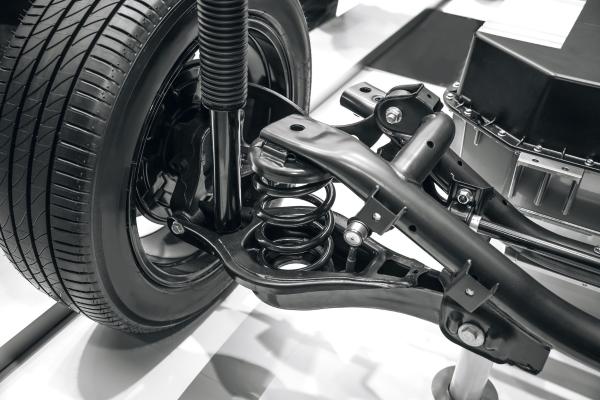
Your suspension system keeps your tires in firm contact with the road, absorbing bumps and stabilizing your VW during acceleration, braking, and turning. It includes several key parts:
- Shocks and struts: Absorb impacts and control motion.
- Springs: Support vehicle weight and cushion against bumps.
- Control arms & bushings: Provide flexibility while holding wheels in position.
- Sway bars: Reduce body roll during turns.
Key Warning Signs of VW Suspension Trouble in Denver
- Uneven tire wear: Worn suspension parts can tilt wheels out of alignment.
- Vehicle pulling to one side: Steering or suspension components may be failing.
- Excessive bouncing: Shocks or struts not absorbing potholes, especially noticeable on Colfax or Federal Blvd.
- Clunking or squeaking noises: Worn bushings or control arms often make noise when going over speed bumps or rough streets.
- Dipping when braking: The front end nosedives when struts wear out.
- Leaking fluid on struts/shocks: A clear indicator the component is failing.
- Steering feels loose: Could point to worn ball joints or tie rods, which often go hand-in-hand with suspension wear.
Why Denver Driving Accelerates Suspension Wear
Denver’s mix of climate and terrain makes it especially hard on VW suspensions:
- Freeze-thaw cycles create potholes that strain shocks and struts.
- Mountain driving on I-70 and Hwy 285 demands more from springs and bushings.
- Gravel and dirt roads around the foothills kick up dust and debris that wear out joints and bushings.
- Urban stop-and-go adds extra strain on suspension during constant braking and turning.
The Volkswagen Suspension Repair Process
- Comprehensive Inspection: A technician inspects shocks, struts, control arms, ball joints, sway bar links, and bushings.
- Diagnostic Testing: Road tests combined with lift inspections identify worn or damaged parts.
- Component Replacement: Depending on the issue, mechanics may replace struts, shocks, or bushings. Control arms and sway bar links are also common fixes.
- System Balancing: Repairs are followed by a wheel alignment to restore handling precision and prevent uneven tire wear.
- Final Road Test: Ensures the VW handles properly and noises are eliminated before returning it to the driver.
Advantages of Timely VW Suspension Repairs
- Enhanced safety: Keeps your VW stable on I-25 and mountain passes.
- Comfortable ride: Restores smooth handling on Denver’s bumpy roads.
- Lower repair costs long term: Fixing worn shocks early prevents damage to tires and steering components.
- Better tire life: Proper suspension reduces uneven tread wear.
- Preserves resale value: A car with a tight, well-maintained suspension commands higher resale prices in Colorado’s used car market.
Seasonal Suspension Challenges in Denver
Winter impacts:
Extreme cold stiffens bushings and rubber components, making them brittle. Freeze-thaw cycles create potholes that strain shocks and struts more than usual.
Spring thaw:
Melting snow leaves behind hidden potholes and uneven road surfaces that stress suspension systems.
Summer heat & mountain driving:
High temperatures combined with long uphill climbs on I-70 increase stress on struts and springs, especially when carrying passengers or cargo.
Fall road debris:
Leaves and gravel can lodge in suspension components, causing premature wear and noise.
Environmental & Safety Impacts of Suspension Wear
- Longer braking distances: Worn shocks reduce tire contact with the road, especially dangerous on Denver’s icy winter streets.
- Increased rollover risk: Loose or worn sway bars make SUVs like the VW Tiguan or Atlas less stable on sharp mountain turns.
- Premature tire waste: Uneven suspension wear leads to early tire replacement, increasing environmental impact and costs.
- Fuel efficiency loss: Poor suspension increases rolling resistance, lowering mpg during city commutes or mountain drives.
Data Insights: Suspension Wear in Colorado
- Pothole impact: Denver’s Department of Transportation fills thousands of potholes each year, a leading cause of suspension wear.
- Winter freeze-thaw: Temperature swings from 60°F to below freezing damage roads quickly.
- Mileage trends: Shocks and struts often wear out between 50,000-100,000 miles, sooner with Colorado’s harsh driving conditions.
VW Suspension Repair in Highlands Ranch, CO
Situation
James, a VW Passat owner in Highlands Ranch, noticed his car bouncing excessively after hitting potholes during winter.
Diagnosis
The mechanic found worn-out front struts and bushings, likely accelerated by cold weather and rough suburban roads.
Repair
Both struts and bushings were replaced, followed by an alignment.
Result
James reported smoother handling, quieter operation, and even tire wear after the repair.
Lesson
Colorado roads and weather can shorten suspension life. Timely repairs restore safety and comfort.
Cost of Volkswagen Suspension Repairs in Denver
| Repair Type | Average Cost (Parts + Labor) | Notes |
| Shock or strut replacement | $400 – $900 per pair | Often replaced in pairs |
| Control arm replacement | $300 – $700 each | Includes bushings |
| Bushing replacement | $150 – $400 | Labor-intensive |
| Sway bar link replacement | $100 – $250 | Common for clunking noises |
| Full suspension overhaul | $1,500 – $3,000+ | For high-mileage VWs |
Costs vary by VW model (Jetta, Passat, Tiguan, Atlas) and whether OEM or aftermarket parts are used.
FAQs: Volkswagen Suspension Repair in Denver
1. How do I know if my VW suspension needs repair?
Look for uneven tire wear, bouncing, or clunking noises—especially over Denver potholes.
2. Can I drive with bad suspension in Denver?
Short distances may be fine, but it reduces control and safety, especially on I-70 mountain roads.
3. How often should VW suspension be inspected?
Every 15,000 miles or annually. Denver drivers may need more frequent checks due to road conditions.
4. Does Denver’s altitude affect VW suspension?
Not directly, but rougher terrain and climate stress components faster than in flatter regions.
5. Is suspension repair covered by VW warranty?
Wear-and-tear parts like shocks aren’t covered beyond the basic warranty, but check extended coverage.
Keeping Your VW Suspension Road-Ready in Denver
Your Volkswagen’s suspension is key to safe, smooth driving in Colorado. Denver’s rough roads and mountain drives make suspension issues more common and more important to fix quickly. Regular inspections and timely repairs can prevent bigger issues, extend tire life, and keep your VW handling like new.
If you’re noticing bouncing, clunking, or uneven tire wear, it may be time for a suspension inspection. Explore related posts on brake service at altitude, alignment tips for Denver roads, and how Colorado weather affects VW maintenance. For expert Volkswagen suspension repair in Denver, trust the specialists at Salta Automotive to keep your car safe and road-ready.