Brakes are one of the most critical safety systems in your Volkswagen. Whether you’re navigating downtown Denver traffic, braking on icy winter roads, or descending steep mountain passes along I-70, reliable brakes ensure safety and performance.
But brake systems wear gradually, which means problems often go unnoticed until stopping distance increases or warning lights appear. For Volkswagen drivers in Denver, timely brake service is essential—not just for safety but also for preserving your vehicle’s performance and avoiding costly repairs.
This guide explores Volkswagen brake service in Denver, covering common brake issues, the brake service process, costs, benefits, case studies, supporting data, and FAQs to help you make informed maintenance decisions.
What Does Volkswagen Brake Service Include?
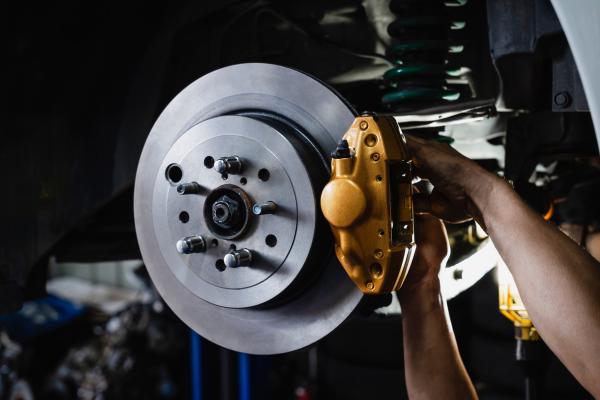
Brake service goes beyond simply replacing brake pads. For Volkswagens, it typically involves a thorough inspection and replacement of several components to ensure the entire system works efficiently.
- Brake Pad Replacement: Pads press against rotors to stop the car. Pads usually wear out first.
- Rotor Resurfacing or Replacement: Rotors can warp or wear unevenly, leading to vibrations or squeaking.
- Brake Fluid Flush: Brake fluid absorbs moisture over time, reducing hydraulic efficiency. Replacing fluid every 2–3 years is recommended.
- Brake Caliper Inspection: Calipers apply pressure to pads. Sticking or leaking calipers can cause uneven wear.
- ABS Diagnostics: Modern Volkswagens have anti-lock braking systems that require computer checks.
A complete brake service ensures your VW stops safely in Denver’s unique driving conditions.
Common VW Brake Problems in Denver
Volkswagen brake systems are built for precision, but Denver’s climate and driving conditions can accelerate wear. Common issues include:
- Brake Noise: Squealing usually indicates worn pads, while grinding suggests pads are completely worn down.
- Soft or Spongy Pedal: Often caused by air in the brake lines or low fluid.
- Vibrations When Braking: Warped rotors are common in mountain driving where brakes overheat.
- Brake Warning Light: Indicates low fluid, ABS issues, or worn sensors.
- Pulling to One Side: Sticking calipers or uneven pad wear can cause this issue.
The Process of Volkswagen Brake Service in Denver
When you bring your VW in for brake service, here’s what you can expect from a certified repair shop:
- Initial Inspection – Checking pad thickness, rotor condition, calipers, hoses, and brake fluid.
- Brake Pad & Rotor Service – Replacing pads and either resurfacing or replacing rotors depending on wear.
- Brake Fluid Exchange – Flushing old fluid and replacing with factory-approved VW brake fluid.
- Caliper & Line Inspection – Ensuring calipers move freely and lines are free of leaks or cracks.
- Final Test Drive – Technicians road-test your VW to confirm proper braking performance and ABS function.
Because Volkswagens use precision-engineered braking systems, having the work performed by specialists familiar with German vehicles ensures safety and reliability.
Volkswagen Brake Service Process in Denver Shops
A standard VW brake service includes more than just new pads. Denver repair specialists follow a multi-step process:
- Complete brake system inspection.
- Brake pad replacement and rotor resurfacing/replacement.
- Brake fluid flush every 2–3 years.
- ABS sensor and caliper checks.
- Final road test for responsiveness.
This thorough approach ensures brakes are ready for Denver’s diverse driving conditions.
VW Brake Replacement Costs in Denver: What to Expect
Volkswagen brake service costs depend on your model, driving habits, and whether you service at a dealership or independent shop.
- Brake Pad Replacement (per axle): $250–$400
- Rotor Replacement (per axle): $300–$600
- Brake Fluid Flush: $120–$160
- Full Brake Service: $600–$1,000
Labor rates in Denver average $110–$160/hr (AAA), slightly above the national average.
OEM vs. Aftermarket Volkswagen Brake Parts in Denver
One common question: Should I choose OEM or aftermarket parts for my VW brakes?
- OEM Parts (Original Equipment Manufacturer):
- Engineered specifically for Volkswagens.
- Provide consistent performance and safety.
- Higher upfront cost but longer lifespan.
- Engineered specifically for Volkswagens.
- Aftermarket Parts:
- Lower cost and wider availability.
- Quality varies—some wear faster under Denver’s mountain driving stress.
- Lower cost and wider availability.
Most VW specialists in Denver recommend OEM or OEM-equivalent parts for braking systems to ensure reliability.
Benefits of Timely Volkswagen Brake Service in Denver
Staying on top of brake maintenance has major advantages for Denver drivers:
- Safety First: Responsive brakes prevent accidents on icy roads or in stop-and-go traffic.
- Cost Savings: Replacing pads early prevents damage to rotors and calipers, saving hundreds.
- Better Performance: Smooth, quiet braking improves the driving experience.
- Resale Value: Buyers in Denver’s used car market look for maintenance records, including brake service.
- Confidence in the Mountains: Healthy brakes are critical when descending steep grades in Colorado.
Real-World Case Studies: VW Brake Service in Denver
One Denver driver with a 2017 Volkswagen Tiguan relied on their car for daily commutes downtown and weekend ski trips in the Rockies. At around 40,000 miles, they began to notice faint squealing when braking in city traffic and a slight vibration while descending mountain roads. Instead of ignoring the signs, they scheduled a brake inspection with a local VW specialist.
Technicians found the brake pads were near minimum thickness, and the rotors were beginning to show heat spots from frequent downhill braking. By replacing the pads and resurfacing the rotors immediately—at a cost of $420—the driver avoided more serious damage.
For comparison, had they waited another 10,000 miles, the worn pads would likely have eaten into the rotors, requiring full rotor replacement and possibly caliper service. That repair would have easily exceeded $1,000–$1,200.
This case highlights a simple truth: early brake service in Denver’s climate not only improves safety but also prevents small problems from becoming expensive repairs.
Supporting Data on Volkswagen Brake Service Costs in Denver
- Brake Pad Replacement (Per Axle): $250–$400 in Denver.
- Rotor Replacement (Per Axle): $300–$600.
- Brake Fluid Flush: $120–$160.
- Full Brake Service (Pads + Rotors + Fluid): $600–$1,000 depending on model.
- Labor Rates in Denver: $110–$160 per hour (AAA, 2023).
- Brake Lifespan in Denver: Pads last 30,000–50,000 miles, but mountain driving can reduce life by 25–30%.
FAQs About Volkswagen Brake Service in Denver
1. How much does VW brake service cost in Denver?
VW brake service in Denver typically ranges from $250–$400 per axle, with full service (pads, rotors, fluid) costing $600–$1,000.
2. How often should I service my Volkswagen brakes in Denver?
Most Volkswagens need brake inspection every 10,000 miles and pad replacement every 30,000–50,000 miles, though mountain driving may shorten intervals.
3. Why do my VW brakes squeak in Denver winters?
Cold temperatures and road salt cause increased brake noise, but persistent squealing usually means pads are worn.
4. Can Denver’s altitude affect brake performance?
Yes. Descending steep mountain roads increases brake heat, leading to faster rotor wear and fluid breakdown.
5. Is it better to service VW brakes at a dealership or independent shop in Denver?
Independent VW specialists in Denver often charge 10–20% less than dealerships while still using OEM-quality parts.
Quick Volkswagen Brake Service Answers
“VW brake service near me in Denver—how much?”
Expect to pay $250–$400 per axle for Volkswagen brake service in Denver.
“How often should I replace VW brake pads in Colorado?”
Most pads last 30,000–50,000 miles, but mountain driving may reduce lifespan.
“Why are my VW brakes vibrating in Denver traffic?”
Likely warped rotors, often caused by heat buildup from stop-and-go or downhill braking.
Stay Ahead with Volkswagen Brake Service in Denver
Your Volkswagen’s brakes are too important to ignore. Denver’s cold winters, stop-and-go commutes, and mountain roads make timely brake service essential for safety and performance. By addressing issues early, you’ll save money, improve reliability, and keep your VW ready for Colorado’s toughest driving conditions.
For more educational resources on Volkswagen service in Denver, explore the expert guides from Salta Automotive—your trusted local partner in keeping German engineering safe and reliable.