
Have you noticed reduced throttle response, sluggish acceleration, or occasional stalling in your Audi or Volkswagen? These symptoms often point to carbon buildup or fuel delivery issues—common problems for German vehicles in Denver’s high-altitude, dusty climate. Between the thinner air, dry conditions, and frequent stop-and-go traffic, your fuel system can accumulate residue that interferes with precision-engineered airflow and combustion efficiency.
In this post, you’ll discover why fuel system cleaning is critical for Audi and VW performance—especially in Colorado’s mixed driving environments. We’ll cover:
- What fuel system cleaning involves
- Step-by-step guidance tailored to German vehicles
- Measurable performance and fuel economy improvements
- A real-world case from a local VW owner
- Expert-backed data and common signs to watch for
Whether you’re commuting along I‑25 or tackling weekend mountain drives, this guide will help you keep your engine running clean, smooth, and responsive.
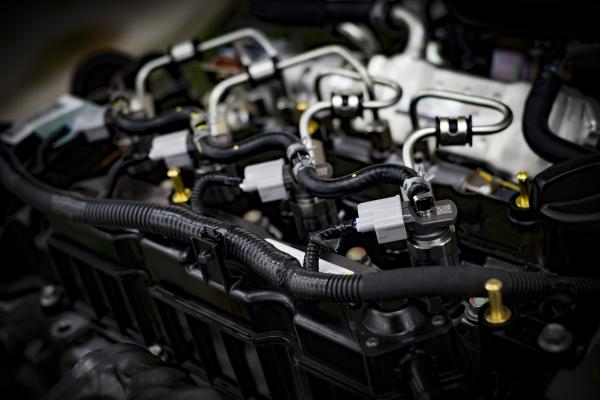
What Is German Car Fuel System Cleaning?
Fuel system cleaning is a professional maintenance service designed to remove carbon deposits and varnish buildup in key components like injectors, intake valves, and combustion chambers. German cars—such as Audis and VWs—often use direct injection systems that are prone to carbon buildup on intake valves, impairing airflow and throttle response. Unlike fuel-additive tank treatments, a fuel system service (performed with specialized equipment) delivers deeper and more effective cleaning.
Inside a Professional Fuel System Cleaning for German Cars
Cleaning the fuel system of an Audi or Volkswagen isn’t just a quick flush—it’s a detailed service that targets multiple components to restore performance and reliability. Here’s how a typical professional cleaning is carried out:
Step 1: Diagnose and Evaluate
- Use diagnostic tools to scan for trouble codes and monitor fuel trim data.
- Check for visible carbon buildup on injectors, throttle body, and intake ports.
Step 2: Clean the Fuel Injectors
- Disconnect the fuel system and run a specialized pressurized cleaner through each injector.
- Restore proper spray pattern and atomization, critical for efficient combustion.
Step 3: Treat the Throttle Body and Intake
- Apply carbon-removing solvent to the throttle body, intake manifold, and plenum.
- Scrub off thick carbon deposits on valve faces and intake runners—especially in GDI engines where valves don’t benefit from fuel washing.
Step 4: Flush the Combustion Chambers
- Introduce a controlled mist of cleaning agent directly into the combustion chamber to break down internal carbon buildup.
- Helps restore compression, smooth idle, and consistent ignition timing.
Step 5: Final Check and Road Test
- Reassemble all components and reset system codes.
- Perform a road test to verify throttle response, fuel efficiency, and idle stability.
This comprehensive cleaning process ensures that every key part of your fuel system is restored to optimal function—ideal for maintaining your German car’s performance in Denver’s altitude and variable climate.
The Real Benefits of Fuel System Cleaning for German Cars
Fuel system cleaning is one of the most impactful services you can perform to keep your Audi or Volkswagen running like it was designed to. Especially in Denver, where altitude and air quality can affect combustion, this service brings immediate and long-term gains:
Improved Engine Performance
- Restores proper air-fuel mixture for stronger combustion
- Enhances throttle response and acceleration
- Delivers smoother power across RPM ranges
Better Fuel Economy
- Removes clogs and buildup that reduce injection efficiency
- Improves mileage—many drivers report 1–3 MPG increases after service
- Saves money on fuel during city driving and long highway runs
Reduced Emissions
- Clears unburned carbon and hydrocarbons from the system
- Helps pass Colorado emissions tests with lower output
- Supports cleaner internal combustion with less engine strain
Smoother, More Stable Operation
- Reduces engine hesitation, vibration, and cold start roughness
- Stabilizes idle and minimizes misfires
- Quiets engine noise from incomplete combustion
Extended Engine and Component Life
- Protects vital parts like injectors, valves, and combustion chambers
- Minimizes wear and tear from poor fuel spray patterns
- Preserves the performance and reliability of complex German-engineered systems
Regular fuel system cleaning is more than maintenance—it’s a performance booster, fuel saver, and long-term engine protector rolled into one.
Fuel System Cleaning Results: A Denver VW Jetta 2.0T Success Story
For many Audi and Volkswagen drivers, subtle changes in throttle feel or declining fuel economy often go unnoticed—until performance dips below expectations. That’s exactly what happened to the owner of this 2015 VW Jetta 2.0T, a daily commuter vehicle navigating Denver’s varied terrain and elevation.
Vehicle / Mile Count:
- 2015 VW Jetta 2.0T with approximately 75,000 miles
The Issue:
- The owner noticed the car had become sluggish under acceleration, especially during highway merges.
- Fuel economy had dropped from an average of 24 MPG to about 20 MPG, even with consistent driving habits.
Service Performed:
- Full fuel injector cleaning to restore proper spray patterns
- Throttle body and intake valve service to remove carbon buildup and improve airflow
Results:
- Throttle responsiveness became “noticeably snappier,” especially during city driving
- MPG improved from 20 to 23.5, approaching original factory ratings
- The driver reported smoother, more confident commuting on Colfax Avenue and improved consistency on weekend mountain drives
This case highlights how even well-maintained German vehicles can benefit from professional fuel system cleaning—especially in the elevation and driving demands of the Denver metro area.
The Science Behind Effective Fuel System Cleaning
- Tech Insight: Fuel system cleaning reduces wear from carbon buildup and restores proper spray dynamics across components
- Direct Evidence: Shops report restored fuel efficiency and improved engine smoothness following professional cleanings every 15K miles .
Restore Power and Efficiency—The Right Way
Fuel system cleaning isn’t just routine—it’s vital maintenance for Audi and VW owners facing Denver’s high-altitude dust and direct-injection build-up. By removing carbon and maintaining airflow, your German-engineered drive performs smoother, is more efficient, and runs cleaner. Trust the expertise of Salta Service & Performance—we specialize in German car care and use OEM-grade methods for lasting results.
Book your full fuel system cleaning with Salta Service & Performance today—restore that crisp throttle feel and efficiency on local roads like I-70, Hampden Avenue, or trips to Mount Evans.
FAQs
1. How often should I get a fuel system cleaning for my Audi or VW?
Every 15,000 miles is ideal—especially for vehicles with direct injection systems susceptible to carbon buildup.
2. Can I just use a store-bought fuel additive instead?
Additives help, but they’re no substitute for professional cleaning of injectors, valves, and combustion chambers, especially in GDI engines .
3. What symptoms mean my fuel system needs work?
Look for reduced fuel economy, rough idling, hesitation under acceleration, or engine codes related to misfire or fuel trim.
4. Is the service compatible with warranty?
Yes—professional cleaning using OEM-approved methods does not void warranty. Always confirm with your dealer.5. How long does the service take and what’s the price range?
Expect 2–3 hours, including diagnostics and test drive. Prices generally start around $250 and depend on injector count and system complexity.