In Denver, where potholes from freeze-thaw cycles and steep inclines on I-70 are a part of everyday life, your car’s handling is more than just a luxury—it’s essential for safety. If you drive an Audi or Volkswagen, your vehicle comes equipped with one of the most refined steering and suspension systems on the market. But with that precision comes complexity.
Whether you’re navigating snowy turns near Capitol Hill or cruising through the high-speed bends west of Golden, understanding how your German vehicle’s steering and suspension system works—and when it might be signaling trouble—can save you from costly repairs and compromised performance.
In this article, we’ll walk you through:
- What makes German steering and suspension systems unique
- Signs something may be off
- The inspection and repair process
- A real-world repair example from right here in Denver
- Data and trends every Audi and VW owner should know
- And how you can ensure your vehicle stays smooth, responsive, and safe on Colorado roads
Let’s get started by breaking down the system that keeps your Audi or VW driving like a dream.
What Makes Steering and Suspension in German Cars Unique?
Audi and Volkswagen vehicles are engineered with tight tolerances and advanced technology that deliver exceptional road feel, cornering stability, and ride comfort. German systems often feature:
- Precision-aligned multi-link suspension setups for improved handling
- Electric power steering (EPS) tuned for variable road conditions
- Dynamic chassis control in some models, adjusting damping and stiffness in real-time
These features allow for a sportier, more controlled drive—especially at altitude or during high-speed highway travel common in Colorado. But they also mean that even slight wear can cause drivability issues.
Common Symptoms of Steering and Suspension Issues
Denver drivers face unique stressors like ice, curb strikes, and rough terrain that can accelerate wear. Watch for:
- Uneven tire wear
- Steering that feels loose, stiff, or unresponsive
- Clunking, knocking, or creaking sounds over bumps
- Vehicle pulling to one side
- Noticeable vibration at highway speeds
Ignoring these signs can lead to premature tire wear, misalignment, or even safety issues on mountain roads.
The Inspection and Repair Process
When you bring your Audi or VW to a German car specialist, here’s what you can expect:
- Road Test Evaluation
Techs listen for suspension noise, evaluate steering feel, and test under various speeds and road textures—often replicating real-world Denver conditions like potholes, inclines, or rough shoulders.
- Visual and Physical Inspection
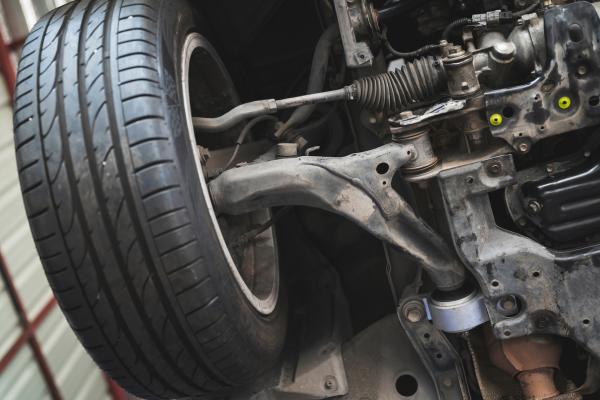
Suspension bushings, control arms, sway bar links, and shocks/struts are checked for wear, leaks, and play. Ball joints and tie rods are also inspected to prevent alignment and safety issues.
- Digital Alignment Check
Your car’s wheel angles are scanned to detect even slight deviations from spec, which can cause pull, uneven tire wear, or steering drift—especially important for AWD systems.
- Steering System Scan
Electronic components like steering angle sensors and EPS modules are scanned for fault codes. On modern Audi/VW platforms, calibration is crucial for proper steering assist and stability control.
- Repair and Replacement
Worn parts are replaced with OEM-spec or upgraded components, followed by torque checks and re-alignment to factory specifications. High-quality parts help preserve ride quality and vehicle value.
- Final Road Test
Handling, comfort, and noise levels are verified on local roads before returning the vehicle. The goal is to ensure your car feels tight, balanced, and confidence-inspiring—just like it should.
Real-World Case Study: 2018 Audi Q5 in LoDo
A Denver driver noticed increased vibration and a clunk when turning sharply in their 2018 Audi Q5. After a full inspection, the shop found:
- A failed control arm bushing on the passenger front
- A bent sway bar link from a previous curb strike during a snowstorm
The damage wasn’t obvious at first glance, but the worn bushing and misaligned suspension geometry had gradually worsened the car’s handling. After replacing both components and performing a 4-wheel alignment, the vehicle’s handling returned to factory smoothness. The customer said, “It feels like a completely different car—just in time for our drive up to Steamboat.”
What the Data Says About German Suspension Repairs
Industry reports from TechNet Automotive highlight a growing demand for German suspension repairs, especially in AWD models like Audi Quattro systems.
According to CarMD’s 2023 Vehicle Health Index:
- Audi ranks in the top 5 for suspension-related repair frequency
- VW models see common issues with bushings and struts by 60,000–80,000 miles
- Denver’s harsh winters and altitude changes accelerate this wear, making regular inspections even more critical.
Keep Your Audi or VW Handling Like New
Steering and suspension issues can sneak up quietly—but they don’t have to compromise your safety or driving experience. With early detection and expert service, most problems are preventable or repairable without major expense.
If you’re experiencing odd vibrations, uneven tire wear, or a steering wheel that feels off, trust the team at Salta Service & Performance in Denver, CO. We specialize exclusively in Audi and Volkswagen repair—so you get precise diagnosis, OEM-quality parts, and local insight that big-box shops simply can’t match.
Schedule your inspection today with Salta Service & Performance—Denver’s trusted Audi and VW specialists. We’ll help you restore your vehicle’s ride comfort and road confidence.
FAQs: Steering and Suspension in German Cars
1. How often should I check my suspension?
At least once a year or every 12,000 miles—more often if you regularly drive in rough or icy conditions like we see in Denver.
2. Can alignment issues damage my suspension?
Yes. Driving with poor alignment puts uneven stress on suspension components, leading to premature wear.
3. Why is my steering wheel off-center?
An off-center wheel is often the result of misalignment or worn suspension bushings—it should be checked immediately.
4. Are German suspension repairs more expensive?
They can be due to the engineering precision and parts quality involved. However, addressing problems early can significantly lower costs.5. Is it safe to drive with a clunking sound?
No. A clunk could mean a loose component or broken mount that compromises safety—have it inspected ASAP.