The cooling system in your Volkswagen is a vital component that keeps the engine operating at the right temperature. It circulates coolant through the engine and radiator, absorbing heat and preventing dangerous overheating. Without a properly functioning cooling system, your VW’s performance can drop, emissions can rise, and in extreme cases, the engine can suffer catastrophic damage.
For drivers in Denver, CO—where sudden weather changes, steep climbs, and high altitude can put extra stress on engines—cooling system maintenance is even more critical. A well-maintained system ensures your VW stays reliable whether you’re navigating downtown traffic or climbing I-70 into the Rockies.
Why Cooling System Maintenance Is Crucial
Neglecting cooling system care can lead to costly repairs. Here’s why staying proactive matters:
- Overheating Prevention: A failing water pump or clogged radiator can quickly cause your engine to overheat.
- Corrosion Control: Old coolant becomes acidic, corroding engine components and radiator walls.
- Fuel Efficiency: An engine at the right temperature burns fuel more efficiently.
- Extended Lifespan: Routine care protects the engine block, gaskets, and cylinder head from heat damage.
Key Components of a VW Cooling System
Understanding what makes up your VW’s cooling system helps you recognize maintenance needs early. Major components include:
- Radiator – Dissipates engine heat into the air.
- Water Pump – Circulates coolant throughout the engine.
- Thermostat – Regulates coolant flow and engine temperature.
- Coolant (Antifreeze) – Absorbs heat and prevents freezing or boiling.
- Cooling Fans – Keep air moving across the radiator.
- Hoses & Belts – Ensure consistent circulation.
When one of these parts wears out, the whole system is compromised. That’s why inspections and timely replacements are essential.
The VW Cooling System Maintenance Process
Professional maintenance involves more than just topping off fluids. A complete service typically includes:
- Coolant Flush & Replacement – Old coolant is drained and replaced with factory-approved antifreeze.
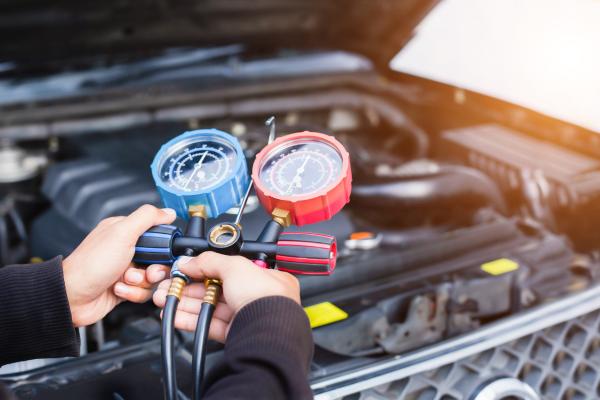
- Pressure Test – Ensures there are no leaks in the radiator, water pump, or hoses.
- Thermostat Check – Confirms the thermostat opens and closes correctly.
- Fan & Sensor Testing – Verifies that cooling fans engage at the proper temperature.
- Belt & Hose Inspection – Identifies cracks, bulges, or leaks.
VW experts in Denver recommend a coolant flush every 40,000–50,000 miles or every four years, depending on driving conditions.
Denver Driving Conditions & Cooling Demands
According to AAA Colorado, overheating is one of the top five causes of roadside assistance calls in summer. Denver’s high elevation—over 5,000 feet—combined with dry air and temperature swings from 30°F to 90°F in the same week, increases the risk of coolant evaporation and hose fatigue. On mountain roads like I-70 and Lookout Mountain Road, cooling systems work overtime.
Don’t Mix Coolants: VW Warranty Warning
Mixing VW-approved G13 or G12 EVO coolant with generic green or orange types can result in thick sludge, corrosion, or sensor damage. This not only impacts performance—it may also void your powertrain warranty. Always check your reservoir label or consult your VW-certified technician before topping off.
Pro Tip: G13 coolant is pink-purple and contains silicates for aluminum protection—ideal for high-altitude, high-heat environments like Colorado.
Real-World Example: Denver Mountain Drive Overheat
Last fall, a Jetta owner heading through the Eisenhower Tunnel noticed rising temps. A routine cooling inspection at Salta Service & Performance caught a leaking hose early—repair was under $150. Without it, the overheated engine could’ve warped the head gasket, resulting in a $2,000+ repair.
“Over 500 VWs serviced annually with factory diagnostics—zero cooling-related returns.”
Why Oil & Coolant Stability Matter
Elevated engine temps don’t just overheat—they accelerate lubricant aging drastically. Based on the Arrhenius rule, a 10 °C (≈18°F) increase can halve oil life, reducing protection for engine bearings and hoses. That’s especially risky in Colorado’s terrain, where cooling systems work harder at altitude.
Denver‑Specific Pro Tips
- ✅ Pre‑trip altitude check: Inspect hoses and coolant before heading into the mountains.
- ✅ Seasonal coolant change: Ideal before summer and winter.
- ✅ Use OEM coolant: G13 or G12 EVO reduces corrosion and withstands high-temp conditions.
VW Cooling System Service Intervals by Model
| VW Model | Recommended Flush Interval | Notes |
| Jetta / Golf | 40,000–50,000 miles | May need sooner with mountain driving |
| Passat | Every 4 years | Check heater hoses and sensors |
| Tiguan / Atlas | 40,000 miles | Monitor fan module behavior |
| Beetle | 40,000–50,000 miles | Watch for temp gauge fluctuations |
Benefits of Regular VW Cooling System Maintenance
- Improved Reliability: Reduces the chance of breakdowns during commutes or mountain drives.
- Better Performance: Keeps your VW engine running at its designed efficiency.
- Lower Repair Costs: Prevents expensive engine damage from overheating.
- Peace of Mind: Confidence that your VW is prepared for Denver’s unpredictable weather.
FAQs – VW Cooling System in Denver (Voice Search Optimized)
How often should I service my VW cooling system in Denver?
Most VWs need a cooling system service every 40,000–50,000 miles, but Denver’s high altitude and cold winters may require shorter intervals.
What are the signs my VW cooling system needs repair?
Warning signs include overheating, coolant leaks, sweet-smelling steam, dashboard temperature warnings, or unusually low coolant levels.
Will Denver’s elevation make my VW prone to overheating?
Yes. Higher altitude means thinner air and reduced cooling efficiency—your cooling system has to work harder.
What type of coolant should I use for my Volkswagen?
Always use VW-approved coolant such as G13 or G12 EVO. Using the wrong type can cause corrosion and void warranties.
Can I top off coolant instead of flushing it?
No. Topping off only adds fluid—it won’t remove acidic contaminants that degrade hoses and gaskets. A flush is essential for full protection.
Plan Your VW Cooling System Check Before Your Next Mountain Drive
Your VW cooling system is more than just a safeguard against overheating—it’s the heart of your engine’s reliability. Regular inspections and maintenance help you avoid expensive repairs, improve performance, and extend your vehicle’s life.
👉 If you’re a VW owner in Denver, CO, stay ahead of overheating. Book your inspection or seasonal flush with Salta Automotive today for peace of mind—before the next mountain drive.