
Choosing the perfect tires for your Volkswagen in Denver goes beyond matching size—local altitude, weather swings, and performance needs all matter. This guide takes you from basics to real-world case studies, step-by-step guidance, and Denver-specific tips to help keep you safe and confident on every drive.
Driving a VW in Colorado means navigating some of the most dynamic road conditions in the country. From urban traffic to mountain passes, your tires face changing traction demands, sharp elevation shifts, and temperature extremes. Having the right tire strategy keeps your vehicle agile, safe, and optimized for fuel efficiency year-round.
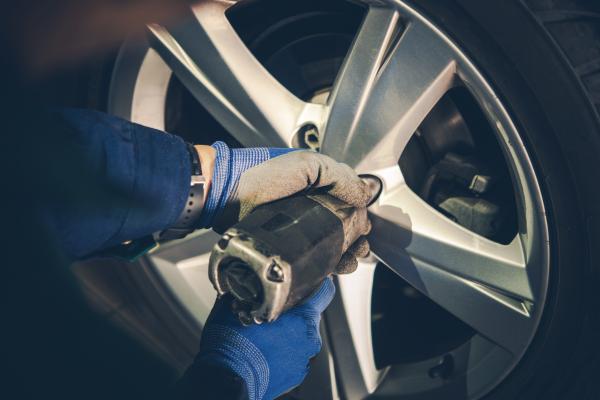
What Does Volkswagen Tire Service Include?
Volkswagen tire service is more than just changing tires. It involves a full range of procedures designed to ensure your VW maintains optimal traction, comfort, and performance across Denver’s unique conditions.
This includes:
- Tire selection based on season and driving needs
- Tread depth and wear pattern analysis
- Pressure calibration for elevation and temperature shifts
- Precision mounting, balancing, and alignment
- Inspection for cracks, bulges, or embedded objects
Whether you’re driving a Golf GTI or a Q5, expert tire service keeps your ride smooth, compliant with traction laws, and protected against premature wear.
How VW Tire Service Works: A Step-by-Step Process for Denver Drivers
- Tire Inspection & Pressure Check: Technicians measure tire pressure when cold, clean valves, and check tread depth and sidewalls for cracks or bubbles.
- Tread & Wear Pattern Analysis: They look for center wear (over‑inflation), edge wear (under‑inflation), cupping, or feathering—clues to drive style or suspension needs.
- Tire Type Selection: Based on your driving—commute, mountains, performance—the right tire type is recommended: winter, all-season, or performance.
- Mounting, Balancing & Alignment: Precise mounting, micro-balancing, and alignment ensure smooth ride. Balanced tires prevent vibration and uneven wear.
- Altitude and Temperature Adjustment: Denver pros account for cold mornings and climbing/descending altitudes during pressure settings—critical for both winter grip and summer stability.
- Final Road Test: A post-service test ensures alignment, responsiveness, and even rotation—especially important when navigating twisty, elevated roads.
How to Spot Tire Problems Before They Become Dangerous
Tires don’t fail overnight. They often give early warning signs, and catching them early can prevent accidents, breakdowns, or costly repairs. Here’s what to look for:
Irregular Vibration or Pulling:
If your steering wheel shakes or the car pulls to one side, your tires may be unbalanced, misaligned, or unevenly worn. These issues affect traction and can strain suspension components over time.
Visual Tread Issues:
Use the penny test or tread gauge to check for wear. If you see exposed cords, bald spots, or uneven wear patterns (such as cupping or feathering), it’s time to inspect and possibly replace your tires.
Tire Age:
Even if tread looks acceptable, tires over six years old become brittle—especially under Denver’s strong UV exposure and fluctuating temperatures. Dry rot is a real concern, even if the car is low mileage.
Dashboard Warnings or TPMS Alerts:
Tire pressure monitoring systems (TPMS) alert drivers to pressure drops. Ignoring them can lead to under-inflation, which reduces fuel efficiency and increases blowout risk.
Seasonal Slippage:
If your vehicle struggles for grip during the first snowfall or hydroplanes in spring rain, your all-season tires may have hardened or lost effectiveness. Season-specific rubber compounds are often needed in Denver’s mixed climate.
Knowing what to check empowers VW owners to avoid surprises and make informed decisions during routine service visits.
Storing Your Winter or Summer Tires in Denver
If you switch between winter and summer tires, proper storage is key. Here’s how to avoid dry rot or flat spots:
- Store in a cool, dry, dark place—garages work well in Denver’s climate.
- Keep tires off concrete and elevated if possible.
- Store them vertically (not stacked) to prevent sidewall stress.
- Use tire bags to block UV exposure and reduce ozone damage.
Denver’s elevation increases UV exposure, which accelerates tire compound aging. Proper storage keeps your investment safe year-round.
Real-World Case Study: VW Golf R on I‑70 Winter Drives
Situation: A VW Golf R owner logged frequent I‑70 winter trips, noting loss of grip on icy inclines and noticeable steering vibration.
Service Steps:
- Inspected and measured tire tread: found uneven edge wear.
- Switched from worn all‑season to dedicated winter tires with mountain‑snowflake rating (M+S).
- Balanced and aligned wheels.
- Set cold tire pressure per manual; rechecked after descent from mountain passes.
Outcome: The car regained traction on icy uphill stretches and the ride felt smoother. Fuel usage dropped slightly and the driver felt confidence restored—no more creeping or shuddering on grade.
Denver Tire Service Stats: What the Data Shows
Denver drivers face a mix of urban driving, interstate commutes, and mountainous routes. That mix puts your tires through more wear and stress than in many other cities. Here are the numbers that explain why tire care matters so much:
| Factor | Denver Impact & Data |
| Tire Pressure Variation | Pressure changes ~1 PSI per 10°F and ~0.5 PSI per 1000 ft elevation gain. |
| Winter Tire Effectiveness | Winter tires cut stopping distance by ~30% over all-season options on ice. |
| Fuel Efficiency Gains | Low rolling resistance tires improve fuel economy by up to 15%. |
What Denver VW Owners Ask About Tire Services
What’s the best tire type for VW in Denver?
Winter tires with the mountain‑snowflake (M+S) symbol offer best grip in snow; all-season is fine for city driving without extreme winter trips.
Do I need to inflate tires differently in Denver?
Use the vehicle’s cold inflation pressure guidelines—most Denver tire shops verify this during service, not by guessing altitude adjustments.
How often should I rotate and align VW tires here?
Rotate every 5,000–10,000 miles. An annual alignment helps prevent uneven wear, especially important when encountering potholes or rough roads.
What wear patterns should I watch for?
Center wear means over‑inflation; edge wear suggests under‑inflation; cupping or feathering can indicate alignment or suspension issues.
Do all-season tires comply with Denver’s traction laws?
That depends. Winter or M+S-rated all-weather tires are preferred when snow or traction restrictions are in place. Pure summer tires may not qualify.
VW Tire Services Denver: Final Guidance for Confident Driving
Your Volkswagen’s tires are the only point of contact with the road—and in Denver’s altitude and climate, that contact matters more than ever. Well-chosen, properly serviced tires not only improve safety but also extend tire life, save fuel, and keep you on the road—without surprises.Curious about the best tire options for your VW in Denver? Discover more local VW tire advice, service tips, and model-specific guides at Salta Automotive—your trusted neighbor for smart, safe driving.