Denver’s scenic roads come with a hidden cost: rugged roads, altitude shifts, and de-icing agents that challenge your VW’s precision handling. An alignment isn’t just maintenance — it’s a reset that keeps your car steering straight, wearing tires evenly, and delivering the smooth performance German-engineered rides are known for.
Whether you’re cruising down I‑25, gliding through Cherry Creek, or navigating dirt roads to mountain escapes, Denver driving demands sharper precision and more frequent alignment checks than other locales.
What Is VW Alignment and Why Does It Matter?
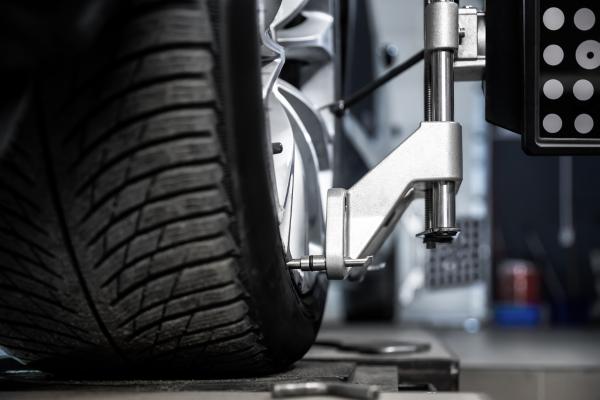
Wheel alignment means adjusting your Volkswagen’s wheel angles — camber, caster, and toe — to factory specs so that each wheel points straight and rolls true (en.wikipedia.org).
Proper alignment maintains optimal contact between tire and road, enabling consistent handling, even tire wear, and efficient fuel use. Misalignment pushes your VW’s chassis to compensate, causing premature wear on tires, suspension parts, and reducing stability and efficiency (tonyvolkswagen.com, sisbarrovw.com, brucebrostire.com).
Why Denver Roads Threaten Your VW’s Alignment
- Freeze–Thaw Potholes: Denver’s climate causes frequent potholes that jar suspension components—even minor hits can shock your precision VW alignment (saltamotorsports.com).
- Rough Urban Terrain: Rough asphalt, curbs, and speed bumps common in Denver neighborhoods increase steering and suspension wear.
- De-icing Corrosion: Magnesium chloride used on winter roads corrodes suspension links and bushings, introducing misalignment risks over time (saltamotorsports.com).
- Low-Profile Tires: Many VW performance trims use low-sidewall tires that absorb less impact—not ideal for Denver’s road conditions (saltamotorsports.com).
Seasonal Alignment Needs in Denver
Colorado’s dramatic seasonal shifts mean your VW alignment faces unique challenges:
- After Winter: Freeze-thaw cycles create potholes that can throw off camber and toe angles. Snow-packed ruts also pull wheels out of alignment.
- After Summer: Heat and road expansion can stress suspension bushings and joints, requiring alignment checks.
- During Tire Swaps: Switching between winter and summer tires is the perfect time to check alignment, ensuring your fresh tires wear evenly.
Seasonal checks keep your VW’s handling sharp year-round and protect your investment in both tires and suspension.
How VW Alignment Services Work in Denver
- Inspection & Diagnostics: Technicians check for basic steering, suspension, tire wear, and replace any worn components before alignment (bobpenkhusvw.com, autorepairdenvercolorado.com).
- Precision Adjustments: Technicians adjust camber, caster, and toe using OEM specs. Accurate four-wheel alignment is always recommended for best results (bobpenkhusvw.com, autorepairdenvercolorado.com).
- Test Drive & Final Check: A drive ensures steering is centered, vehicle tracks straight, and no vibrations persist (bobpenkhusvw.com, denverexpresscare.com).
Benefits of VW Alignment in the Mile-High City
- Even Tire Wear & Longevity: Correct angles prevent accelerated wear on inner or outer tread—saving money and keeping your ride safer (tonyvolkswagen.com, sisbarrovw.com, brucebrostire.com).
- Fuel Efficiency: Proper alignment reduces rolling resistance—results show measurable savings at the pump (tonyvolkswagen.com, brucebrostire.com).
- Sharp Handling & Safety: Alignment ensures your VW responds accurately and consistently—even when descending Loveland Pass or cruising city slopes.
- Suspension Health: Eliminates undue stress on shocks, struts, and linkage—especially crucial when driving over potholes or curb hits.
- Drive Comfort: A centered steering wheel, smooth maneuvering, and reduced cabin vibration make every ride feel premium.
Colorado Traction & Safety Tie-In
Colorado’s traction laws require vehicles to have at least 3/16” tread depth during winter months on I‑70 and other mountain roads. But even with compliant tires, poor alignment can compromise safety:
- Misaligned wheels reduce actual road contact, lowering traction in snow and ice.
- Uneven wear may drop tread depth below legal minimums faster on one side of the tire.
- Proper alignment maximizes the effectiveness of winter tires, ABS, and traction control systems.
Alignment isn’t just a comfort factor in Colorado—it’s part of staying safe and legal in winter driving conditions.
2020 VW Golf R After Winter Wintersize Setup
Situation: A 2020 Golf R owner reported uneven tire wear and “wandering” at highway speeds after switching to winter tires.
Process & Outcome:
- Inspection revealed slight negative camber and toe-out.
- Performed four-wheel alignment to VW spec and test-drove on I‑70 loop.
- Result? Neutral steering, even tire wear, and improved handling on cold pavement—drivers reported renewed confidence even on icy ramps.
Denver Alignment Stats: Why Local Airtime Is Vital
| Factor | Denver Insight & Data |
| Pothole Incidence | Frequent freeze-thaw cycles dramatically increase impact hits on wheel alignment (saltamotorsports.com) |
| Monthly Tire Inspections | Colorado drivers are advised to inspect tires monthly—alignment key for wear control (cbsnews.com) |
| Signs to Watch | Pulling, vibration, odd wear patterns commonly reported on Denver roads (denverexpresscare.com, southdenverauto.com) |
| Fuel Efficiency & Wear Data | Misalignment can decrease MPG and dramatically shorten tire life (brucebrostire.com, denverexpresscare.com) |
Why Denver-Aligned Precision Pays Off
Alignment is more than a check-box—it ensures your VW’s character endures in the face of rough Denver roads, icy ramps, and fatigue-prone suspension. Staying aligned not only protects your ride but helps maintain performance, efficiency, and longevity—on every corner and two-track.
Quick Answers: What Denver VW Owners Ask About Alignment
When should I get my VW aligned in Denver?
Yearly alignment is ideal—especially after hitting potholes, switching tires, or if your steering pulls off-center.
Can Denver’s altitude affect alignment?
Not directly—but thermal expansion in tires and worn suspension (accelerated by altitude-related brittleness) can reveal misalignment faster.
How do I spot alignment issues?
Look for uneven tire wear, steering wheel off-center, vehicle pulling, or vibrations—especially after cold starts. (denverexpresscare.com, southdenverauto.com)
Do I need a four-wheel alignment for my VW?
Yes—especially on modern VW models with complex AWD or electronic steering systems—for accurate behavior and long-term performance.
How long does VW alignment take in Denver shops?
Typically around 40 minutes to an hour if no suspension parts need replacement (bobpenkhusvw.com).
VW Alignment Services Denver: Keep Your Drive Sharp
Aligning your Volkswagen in Denver isn’t a luxury—it’s essential. Proper alignment protects your tires, your fuel budget, and the signature VW handling you drive for. With Denver’s unique roads and weather cycles, alignment is your insurance against premature wear and wild steering.
Looking for alignment tips, handling tweaks, or VW-specific suspension guides for Denver roads? Explore more articles and expert advice at Salta Automotive—your local performance partner.