Being a Denver driver, you’ve learned to battle the seasonal extremes, sizzle‑hot summers, icy winters, and the thin atmosphere that can sap a vehicle’s performance if you don’t pay attention. These factors can wear down your car’s performance, yet proper care and regular maintenance let you stretch its life and keep it running smoothly for many years.
We’ll walk you through essential car‑care tips, covering local conditions, the value of regular check‑ups, and simple ways the Denver climate can affect your ride. Apply the advice here, and you’ll see your car hold up well whether the weather turns hot or cold.
Regular Maintenance: The Foundation for Longevity
Routine maintenance is the most important factor in extending your car’s life. Keeping up with the manufacturer’s recommended service intervals helps catch small problems before they turn into costly repairs. In Denver, where weather extremes can quickly affect your vehicle, regular checks are crucial.
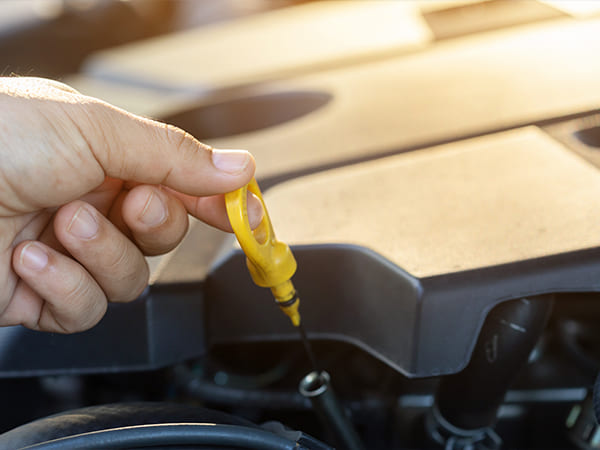
- Oil Changes: Regular oil changes are essential for maintaining engine health. In Denver’s cold winters, synthetic oil is a great choice because it flows easily at low temperatures and prevents engine wear.
- Brake Inspections: Denver’s mountainous terrain means your car’s brakes work harder than in flatter areas. Regular brake checks and replacing worn-out parts like pads and rotors ensure safe driving, particularly in winter when road conditions can be slippery.
- Tire Maintenance: Rotate your tires regularly to ensure even wear. In Denver, tire care is essential because the region’s mix of dry and snowy roads can cause uneven tire wear.
Understanding Denver’s Climate and Its Effects on Your Car
Denver’s unique weather and high-altitude environment make it essential for car owners to adapt their maintenance routine to account for the region’s challenges.
- Cold Winters: Denver experiences cold temperatures, which can cause engine fluids to thicken and make starting your engine harder. Cold weather also shortens battery life, so it’s important to check your battery’s health before winter. Be sure to keep antifreeze levels topped off and use winter-grade oil for better performance.
- Hot Summers: The hot summer sun, combined with Denver’s high altitude, can put extra strain on your vehicle’s cooling system, tires, and engine. Ensure your cooling system is functioning properly by checking your radiator and coolant levels regularly, and avoid overheating by driving gently in the heat.
- High Altitude: At 5,280 feet, Denver’s high altitude means the air is thinner, making your engine work harder. This can reduce fuel efficiency and engine power, especially on long drives. Adjust your driving habits by avoiding unnecessary acceleration, and keep an eye on engine performance in challenging conditions.
Why it matters: Adapting your vehicle to Denver’s unique climate ensures it performs optimally year-round and reduces the potential for environmental damage.
Drive Responsibly: A Key to Car Longevity
Driving habits play a huge role in the lifespan of your vehicle. In Denver, where roads can vary from urban streets to steep mountain inclines, driving responsibly can significantly reduce wear on your car’s components.
- Avoid Aggressive Driving: Rapid acceleration, hard braking, and excessive speeding place unnecessary strain on the engine, transmission, and brakes. Smooth driving can help avoid premature wear and improve overall fuel efficiency.
- Limit Short Trips: Frequent short trips where the engine doesn’t have time to warm up properly can cause more harm than long, consistent drives. When possible, try to combine errands to allow the engine to run at optimal temperatures.
Why it matters: Gentle driving reduces strain on critical parts, extending their lifespan and increasing fuel efficiency.
Fluid Checks and Maintenance
Fluids are crucial for your vehicle’s overall health, as they lubricate moving parts, prevent overheating, and ensure smooth operation. Regularly checking and maintaining fluid levels is key to vehicle longevity.
- Transmission Fluid: Low or dirty transmission fluid can cause transmission failure. Be sure to regularly check your transmission fluid to keep shifting smooth.
- Coolant: Overheating is one of the most common causes of engine failure. Always check coolant levels, especially in the summer months when high temperatures are more likely to lead to overheating.
- Brake Fluid: Ensure your brake fluid is clean and at the proper level. Brake fluid is especially critical in Denver’s mountain driving conditions, where more pressure is placed on the brakes.
Keeping fluid levels correct ensures all systems in your car are working at peak efficiency, preventing engine failure, brake issues, and transmission damage.
Protect the Exterior and Interior
Maintaining your car’s exterior and interior not only improves its appearance but also helps preserve its longevity.
- Wash and Wax Regularly: Winter road salt and summer sun can both damage your vehicle’s exterior. In Denver, washing your car regularly to remove salt and applying wax will help prevent rust and preserve the paint.
- Interior Care: Denver’s sun can cause fading to your car’s interior, especially the upholstery and dashboard. Protect your seats and dashboard with covers and sunshades, and regularly clean the interior to keep it in good condition.
Why it matters: Regular exterior and interior care prevents long-term damage, maintains your car’s appearance, and protects it from the elements.
Keep an Eye on the Battery and Electrical System
Cold winters in Denver can be especially tough on your car’s battery. If your vehicle is having trouble starting or the lights appear dim, it could indicate a battery or electrical issue.
- Battery Checks: Inspect your car’s battery for corrosion and ensure it holds a charge, particularly before winter hits. Cold temperatures can cause battery failures, so make sure your battery is in good condition.
- Electrical System Inspections: If you experience dim headlights, dashboard alerts, or difficulty starting your car, these could be signs of issues with the electrical system or alternator.
Address Issues Early
If you notice any strange noises, dashboard warning lights, or a drop in performance, don’t ignore them. Addressing small issues early prevents bigger, more expensive repairs down the road.
Early intervention saves you time and money by catching problems before they worsen.
Final Thoughts: Keep Your Vehicle Running Strong in Denver
Extending the lifespan of your vehicle in Denver, CO, requires understanding the unique climate challenges and adapting your car care routine. A service schedule that follows the manufacturer’s interval, combined with winterizing the battery and avoiding hard acceleration, lets the powertrain operate at peak efficiency for years without major wear.
From snowy winters to summer heat, Salta Automotive helps Denver motorists maintain their rides year round. If you need skilled service and practical tips to keep your car running smooth, our staff is ready to assist..
Contact Salta Automotive today to schedule your vehicle’s maintenance and ensure it performs at its best!
Frequently Asked Questions:
How can I extend my vehicle’s lifespan in Denver?
To extend your vehicle’s lifespan in Denver, stay on top of routine maintenance, adjust for the extreme temperatures and altitude, and adopt responsible driving habits.
How does Denver’s climate affect my car?
Denver’s climate causes strain on your car, from freezing temperatures in the winter to overheating in the summer. Regular fluid checks and proper care can help mitigate these issues.
What fluids should I check regularly to keep my car running longer?
Make sure to check your engine oil, transmission fluid, coolant, and brake fluid regularly. Keeping these at the proper levels prevents overheating and transmission damage.
How can I protect my car from Denver’s road salt in winter?
Washing your car regularly and waxing the exterior will help protect it from rust and corrosion caused by road salt in winter.
How can smooth driving affect my car’s lifespan?
Driving smoothly—avoiding sudden accelerations or harsh braking—reduces wear and tear on the engine, transmission, and brakes, helping your car last longer.