
Maintaining proper wheel alignment is a key part of keeping your vehicle safe, efficient, and comfortable to drive — especially on Denver’s varied roads. Harsh winters, potholes from freeze‑thaw cycles, and rough pavement can all knock your wheels out of alignment sooner than you might expect. In this guide, we’ll explain how often you should get an alignment, why it matters, real‑world factors affecting the schedule, and smart maintenance tips tailored for drivers in Denver, CO.
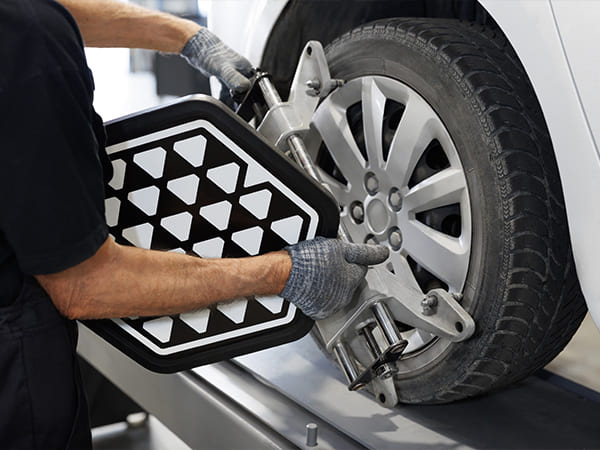
What Is Wheel Alignment and Why It Matters
Wheel alignment refers to the adjustment of your vehicle’s wheels so they sit at the correct angles relative to the road and each other. These angles — camber, caster, and toe — affect:
- Steering stability
- Tire wear patterns
- Fuel efficiency
- Handling and comfort
Crooked wheels eat through rubber fast. If you have to fight the steering wheel to stay straight, your car geometry is likely messed up. These shakes and pulls mean your tires are scrubbing the pavement.
Understanding the Types of Wheel Alignment
Wheel alignment ensures your vehicle drives smoothly and efficiently. There are three main types: Two-Wheel Alignment, Four-Wheel Alignment, and Thrust Angle Alignment. Each type is suitable for different vehicles and needs.
1. Two-Wheel Alignment (Front-End Alignment)
This alignment adjusts only the front wheels. It’s common for older models or rear-wheel drive (RWD) cars.
When Needed:
- Older vehicles with fixed rear axles or front-wheel drive (FWD) systems.
Adjustments:
- Toe and Camber angles on the front wheels.
Benefits:
- Cost-effective for older vehicles.
2. Four-Wheel Alignment
Aligns all four wheels, essential for all-wheel drive (AWD) or independent rear suspension vehicles.
When Needed:
- AWD/4WD vehicles or modern vehicles with independent rear suspension.
Adjustments:
- Toe, Camber, Caster, and Thrust angle for all wheels.
Benefits:
- Provides better handling, tire wear, and stability.
3. Thrust Angle Alignment
Focuses on aligning the rear wheels with the vehicle’s centerline, ensuring it drives straight.
When Needed:
- Vehicles with rear axle misalignment or handling issues.
Adjustments:
- Mainly adjusts the rear axle alignment.
Benefits:
- Ensures the vehicle doesn’t pull to one side.
General Guidelines: How Often to Get an Alignment
There isn’t a one‑size‑fits‑all number, but automotive experts commonly recommend:
Routine Alignment Frequency
- At least once a year as part of preventive maintenance — this catches gradual drift before it becomes a problem.
- About every 12,000–15,000 miles if you’re tracking by distance rather than time.
- At every tire change or rotation when possible — this helps preserve tire life.
These intervals align with regular service cycles for many vehicles and are good benchmarks if you drive mainly on paved roads.
Why Denver Drivers May Need More Frequent Alignment
Denver’s local conditions can shorten the ideal alignment interval:
Freeze‑Thaw Potholes
Seasonal freeze‑thaw cycles create potholes that can instantly shift your alignment. Even moderate impacts from potholes may require an alignment check soon afterward.
Urban Terrain
Driving around town, parking near curbs, and frequent stop‑and‑go traffic stress suspension and alignment components.
After Suspension Work or Impacts
Any time your vehicle undergoes suspension repairs, tire replacement, or you hit a curb/obstacle, you should have your alignment checked. These events can instantly alter wheel angles even if no other damage is obvious.
Signs You Should Get an Alignment Now
In addition to routine timelines, alignment checks are warranted if you notice any of the following:
- Your vehicle pulls to one side on a straight road
- Steering wheel isn’t centered when driving straight
- Uneven tire wear (inner or outer tread loss)
- Vibrations or shaking through the steering wheel
- Squealing tires or poor handling during turns
These are real‑world symptoms that often indicate the wheels are out of spec long before routine intervals.
Real‑World Data & Impact
Automotive maintenance sources note that:
- Annual checks or checks at 12,000–15,000 miles help catch small alignment shifts that occur over time.
- Wheel alignment can degrade gradually even without severe impacts, making yearly assessments a preventive strategy rather than purely reactive.
- Immediate alignment checks after impacts or after suspension work preserve tire life and handling performance.
Practical Alignment Maintenance Tips
To keep your wheels aligned and your vehicle driving right:
- Schedule an alignment at least once a year, even without symptoms.
- Include alignment checks when you rotate or replace tires.
- Have an alignment inspection after significant road impacts — like potholes or hitting a curb.
- Monitor tire wear patterns regularly — they’re an early warning system.
- Pair alignment with suspension inspections if you notice handling issues.
Regular checks help avoid premature tire replacement and maintain better fuel economy.
Final Thoughts on Wheel Alignment
In Denver, with those challenging streets and the way the weather changes with the seasons, a good rule of thumb is to get your wheels aligned at least once a year, or roughly every 12,000 to 15,000 miles. But honestly, don’t wait until you feel something’s off! Being proactive and having us check the alignment during your regular service—and definitely after hitting a serious pothole or curb—is the best way to save your tires, keep your car handling smoothly, and ensure everyone stays safe on the road.
When you’re ready for us to take a look, or if you want to set up a simple maintenance plan based on how you actually drive, just give Salta Automotive a call. We offer expert diagnostics and reliable service you can trust to keep your car driving confidently on all of Denver’s roads.
FAQs About Wheel Alignment
How often should I align my wheels if I drive mostly city streets?
Even on city roads, aim for annual checks, especially after hitting potholes or curbs, which are common in urban driving.
Does hitting a single pothole mean I need an alignment?
It’s a good idea to have your alignment checked — even a single impact can be enough to shift wheel geometry.
Can alignment improve fuel efficiency?
Yes — properly aligned wheels reduce rolling resistance, which can slightly improve fuel economy.
Should alignment be done when installing new tires?
Yes — it’s often recommended to align wheels whenever you install new tires to ensure even wear from the start.
Does my owner’s manual have specific alignment intervals?
Often, yes — check your vehicle’s maintenance schedule for model‑specific advice and follow it along with these general guidelines.