
In the heart of Denver, CO, where the weather can shift from sunny to snowy in a heartbeat, ensuring your vehicle is in peak condition is a top priority. From traffic‑heavy boulevards to winding mountain lanes, a car’s ability to perform hinges on its internal parts staying well‑aligned and trouble‑free. But how do you know if something’s wrong before it leads to a breakdown? The answer lies in auto diagnostics.
Auto diagnostics stands as a core service at seasoned repair shops, pinpointing faults in a car’s many systems before they turn into costly breakdowns. Ever wonder what the computer in your car is doing? We’ll uncover the basics of auto diagnostics, discuss how they protect performance, and highlight their importance for Denver motorists.
What is Auto Diagnostics?
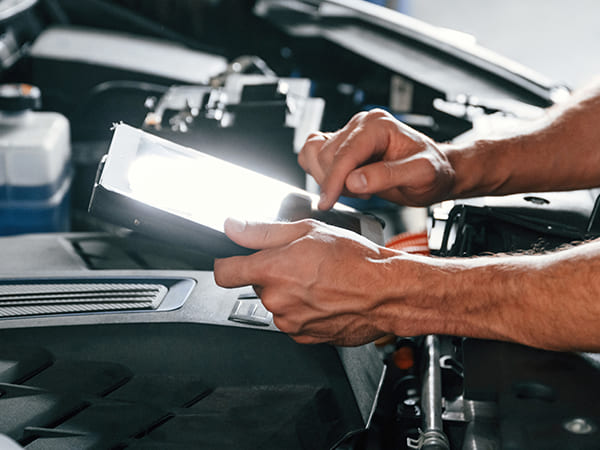
Auto diagnostics uses dedicated equipment to spot problems in the engine, transmission, electrical system, and other vital parts. Every recent model packs an On‑Board Diagnostics system; it records sensor output and lets service centers pinpoint the culprit quickly and accurately.
How Does Auto Diagnostics Work?
Technicians connect a diagnostic tool to your vehicle’s OBD-II port, typically located under the dashboard. The tool retrieves performance data and malfunction codes, which can indicate issues like engine misfires or faulty sensors. The technician analyzes these codes and recommends necessary repairs.
Why is Auto Diagnostics Important for Denver Drivers?
Denver’s driving conditions—ranging from snowy mountain roads to high-altitude highways—can take a toll on your vehicle, making regular diagnostic checks even more important. Auto diagnostics not only help with identifying problems early but also allow you to prevent costly breakdowns.
Weather and Terrain Impact:
The cold Denver winters can strain your car’s battery, engine, and other critical systems. Additionally, navigating mountainous terrain demands more from your vehicle’s brakes, suspension, and engine, which can eventually lead to wear and tear. Routine diagnostic checks help ensure your car is ready to handle the challenges of Denver driving, whether you’re heading up into the foothills or commuting through the city.
How Does the Diagnostic Process Work in Detail?
Here’s a breakdown of what you can expect when you bring your car in for diagnostic testing at an auto repair shop in Denver:
Step 1: Connect the Diagnostic Tool
The technician connects a scanner to your vehicle’s OBD-II port. This allows the system to communicate with the car’s onboard computer and retrieve stored data.
Step 2: Analyze the Diagnostic Codes
The scanner pulls diagnostic trouble codes (DTCs) that provide information about the condition of various vehicle systems. These codes are specific to the make and model of your vehicle, and each code corresponds to a potential issue.
Step 3: Perform Additional Tests (if needed)
Sometimes the diagnostic codes clue the technician in on the fault, yet a bit of extra testing might still be required. If the engine keeps misfiring, a tech could run a compression check or examine the fuel injectors.
Step 4: Review Results and Recommend Solutions
The moment we spot the glitch, the service pro lays out the repairs required; you’ll know the next steps. If the computer flags an oxygen sensor that isn’t working, the technician will outline the fallout—worse MPG and more polluting exhaust—and then suggest how to get it repaired.
Common Vehicle Issues Diagnosed with Auto Diagnostics
Auto diagnostics can identify a wide range of issues, including:
- Engine Problems: Misfires, knocking, or poor performance can often be traced back to issues with the engine’s internal components, such as the fuel injectors or ignition system.
- Transmission Issues: Problems with shifting, slipping, or delayed gear changes can often be diagnosed through transmission error codes.
- Exhaust System Malfunctions: Problems like a malfunctioning catalytic converter or oxygen sensor can be detected through auto diagnostics, helping to improve both performance and emissions.
- Electrical System Faults: Diagnostics can uncover problems with the battery, alternator, or wiring that might not be immediately visible to the driver.
- Fuel System Failures: A malfunctioning fuel pump or fuel injectors can cause engine performance issues, and these problems are often detectable during diagnostics.
Benefits of Auto Diagnostics in Denver, CO
Early Problem Detection:
Diagnostic services are invaluable for identifying problems early, often before they become serious or expensive to repair. For example, a minor misfire detected during diagnostics can be resolved before it damages the engine.
Cost Savings:
Proactive diagnostics can prevent costly repairs by addressing small issues before they escalate. For instance, an undiagnosed oxygen sensor problem can lead to poor fuel efficiency and increased emissions, which ultimately costs you more in gas and repairs.
Improved Vehicle Performance:
Routine diagnostics can help improve overall vehicle performance by addressing issues that impact efficiency, safety, and handling. This is particularly important for drivers in Denver who often drive in varied and sometimes challenging conditions.
Safety:
By identifying problems with your car’s braking system, electrical system, or airbags, diagnostic checks help ensure your vehicle remains safe to drive. Safety should always be a priority, especially in mountainous areas like Denver, where conditions can be more hazardous.
Real-World Case Study: Auto Diagnostics in Action
In Denver, a customer recently came in with an unusual engine noise. The driver sensed something was off, but the exact cause escaped him. If you’ve ever felt a shaky idle, you know why the technician’s test mattered—worn spark plugs were the culprit, triggering misfires and uneven idling.
If you sit idle while the problem worsens, you’ll end up with bigger repairs; the tech urged a quick spark plug replacement. Taking that precaution fixed the problem, boosted the car’s miles per gallon, and stopped any chance of engine harm. Imagine spotting an issue before it blows up—you dodge pricey repairs and avoid the headache of a breakdown.
The Importance of Regular Auto Diagnostics
According to the ASE, a diagnostic exam can catch faults in a vehicle’s systems that aren’t obvious while you’re on the road day to day. Nearly one in four cars face a breakdown every year, and a simple early check‑up could have kept those problems from happening at all. From snow‑packed slopes to sunny flats, Denver tests every ride; a quick diagnostic every few months keeps you safe.
Enhance Vehicle Longevity with Auto Diagnostics in Denver, CO
In a city like Denver, where the weather and driving conditions vary drastically, keeping your vehicle in optimal condition is a must. Auto diagnostics provide an invaluable service by helping identify potential issues before they become major problems, improving performance, and enhancing safety.
If you’re looking for reliable and accurate auto diagnostics, Salta Automotive is here to help. Our team of experienced technicians uses the latest diagnostic tools to ensure your vehicle is running at its best. Visit us today to schedule your diagnostic check and keep your car in top condition for the road ahead.
Frequently Asked Questions (FAQs)
1. How often should I get my vehicle’s diagnostics checked in Denver?
It’s recommended to have your vehicle diagnosed at least once a year or whenever you notice performance issues like strange sounds, poor fuel efficiency, or dashboard warning lights.
2. Can auto diagnostics detect all types of car problems?
While auto diagnostics can identify a wide range of issues, some problems, such as mechanical wear or physical damage, might require a manual inspection.
3. What does it mean if my diagnostic report shows a “check engine” light?
A “check engine” light can indicate various problems, from minor issues like a loose gas cap to more serious concerns such as a malfunctioning catalytic converter. A diagnostic test will pinpoint the exact problem.
4. How long does an auto diagnostics test take?
Typically, an auto diagnostics test takes 30 minutes to an hour, depending on the vehicle’s make and model and whether additional tests are needed.
5. Can auto diagnostics help with improving fuel efficiency in Denver?
Yes! Diagnosing and addressing issues with your vehicle’s fuel system, such as faulty injectors or a malfunctioning oxygen sensor, can significantly improve fuel efficiency, especially in Denver’s varying climates.