
When it comes to maintaining your German car in Denver, the often-overlooked task of fluid maintenance can make all the difference. Whether you drive an Audi or Volkswagen, the climate in Denver can take a toll on your vehicle, demanding specialized care. Studies show that regular fluid maintenance can extend the lifespan of your car by up to 30% and help you avoid costly repairs down the line.
In this guide, we’ll break down the importance of fluid maintenance for German vehicles, the process involved, and why it’s especially crucial for drivers in Denver. From ensuring your car performs optimally in Denver’s fluctuating temperatures to protecting the engine and transmission, fluid maintenance is essential for keeping your German car in peak condition.
By the end of this article, you’ll have a deeper understanding of the types of fluids that require attention and how keeping them in check gives your car the care it needs to thrive in Denver’s conditions.
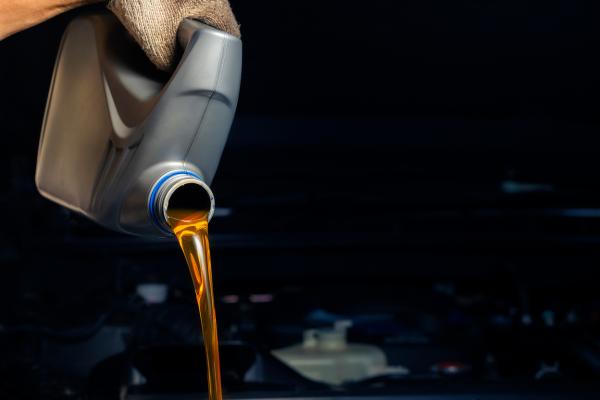
What Is Fluid Maintenance for German Cars?
Fluid maintenance refers to regularly checking, changing, and topping off the various fluids in your vehicle to ensure they are at optimal levels and in good condition. This is particularly important for German cars, as they often require more specialized fluids and higher maintenance standards compared to other vehicles.
Key fluids that require maintenance include:
- Engine Oil: Essential for lubrication and preventing wear.
- Transmission Fluid: Keeps the transmission running smoothly.
- Brake Fluid: Crucial for effective braking performance.
- Coolant/Antifreeze: Prevents overheating and ensures efficient temperature control.
- Power Steering Fluid: Ensures smooth steering operation.
- Windshield Washer Fluid: For clear visibility during Colorado’s snowy winters.
For German vehicles, the specific brands and types of these fluids can vary, and using the wrong one can lead to performance issues or even engine damage.
The Fluid Maintenance Process for German Cars
- Inspection:
During a fluid maintenance service, a certified technician will inspect all critical fluids, checking for proper levels and any signs of contamination or wear. For instance, if the engine oil is too dark or gritty, it may indicate that it’s time for a change. - Fluid Replacement:
If any fluid is low, dirty, or contaminated, it will be replaced with the correct type and quantity. For German vehicles, this often involves using premium oils and fluids specified by the manufacturer. - Fluid Top-Off:
If some fluids are merely low, they may be topped off to ensure your car continues to operate smoothly. This is an essential part of routine maintenance that can sometimes be overlooked. - System Check:
After the fluid change, the technician will also check the overall system performance. This includes ensuring that all hoses and lines are intact and that there are no leaks, especially in crucial components like the cooling system or transmission. - Testing:
Finally, your car will undergo a quick road test to ensure that the fluids are circulating properly and that everything is functioning as expected.
Why Is Fluid Maintenance Crucial for German Cars in Denver?
1. Denver’s Extreme Weather
Denver’s high-altitude climate, with its hot summers and freezing winters, places unique demands on your car’s fluids. For example, engine oil and transmission fluid can break down more quickly in extreme temperatures, which is why keeping them topped off and fresh is critical. Denver’s snow, ice, and salt can also accelerate wear on your vehicle, so maintaining your brake fluid and antifreeze is vital for safety and performance.
2. Engine Longevity
For German cars, regular fluid maintenance helps protect high-performance engines. Keeping engine oil clean and at the right level can prevent sludge buildup, which could clog up critical engine components. In turn, this can increase the lifespan of your engine, saving you money on costly repairs or replacements.
3. Maintaining Warranty and Performance
Many German car manufacturers, such as Audi and Volkswagen, have strict maintenance guidelines that must be followed to maintain warranty coverage. Regular fluid changes, performed by a professional, will ensure that you meet these requirements and continue to enjoy the best possible performance.
Real-World Case Study: An Audi Owner’s Fluid Maintenance Experience in Denver
Sarah, a long-time Audi owner in Denver, came to a local service center last winter with concerns about her vehicle’s performance. She noticed that her Audi was struggling to start on cold mornings and wasn’t handling well on snowy roads. After a thorough fluid maintenance check, our certified technicians discovered that her coolant had become too thick for the winter temperatures and her brake fluid was dangerously low.
By replacing the fluids and ensuring everything was topped off and at the correct levels, Sarah’s Audi was able to perform smoothly through the harsh winter months. Not only did this prevent potential breakdowns, but it also helped her avoid a costly repair to the engine or brake system.
Benefits of Regular Fluid Maintenance for Your German Car
- Prevents Expensive Repairs
By regularly changing and topping off fluids, you minimize the risk of costly damage to the engine, transmission, or brakes. Preventative maintenance always costs less than fixing a major problem later.
- Improved Vehicle Performance
Fresh fluids ensure that your car runs smoothly, shifting gears without hesitation and braking effectively. This improves overall driving performance, which is essential for enjoying your German car’s precision engineering.
- Enhanced Fuel Efficiency
Maintaining proper fluid levels, particularly engine oil, ensures your engine operates efficiently. This can help improve your gas mileage, saving you money in the long run.
- Safety Assurance
Keeping brake fluid, coolant, and power steering fluid at optimal levels ensures that you maintain control of your vehicle during emergency situations, offering you peace of mind as you navigate Denver’s busy streets.
Supporting Data: How Fluid Maintenance Impacts Your Vehicle
- According to the American Automobile Association (AAA), over 20% of vehicles on the road today have low or dirty oil, which can lead to major engine problems.
- A study by the Auto Care Association found that drivers who perform regular fluid maintenance experience fewer breakdowns and keep their vehicles for an average of 3-5 years longer than those who neglect fluid changes.
- Denver’s average winter temperatures can dip below freezing, leading to potential fluid breakdown if not properly maintained.
Ensure Optimal Performance with Regular Fluid Maintenance for Your German Car in Denver
Fluid maintenance for your German car is essential for ensuring optimal performance, especially in Denver’s challenging climate. With regular fluid checks and changes, you can avoid costly repairs and enjoy a smoother, safer driving experience.
If you’re ready to give your car the care it deserves, the experts at Salta Service & Performance in Denver are here to help. Schedule your fluid maintenance today and keep your German car running like new!
FAQs About Fluid Maintenance for German Cars
1. How often should I change the engine oil in my German car?
For most German cars, it’s recommended to change the engine oil every 7,500 to 10,000 miles, depending on the specific model and oil type. Always refer to your owner’s manual for manufacturer-specific recommendations.
2. Can I use regular fluids in my German car?
It’s highly recommended to use the fluids specified by your car manufacturer. German cars are engineered with specific fluid formulations that optimize performance, and using non-branded fluids can lead to issues with engine performance or warranty coverage.
3. How can I tell if my brake fluid needs changing?
If your brake pedal feels soft or the braking response is delayed, it might be time to check your brake fluid. Low or contaminated brake fluid can severely compromise your ability to stop safely, so it’s crucial to address it immediately.
4. Why does my German car require special coolant?
German cars often use a specific type of coolant, like G12 or G13, which has unique properties suited for the higher-performance engines. Using the wrong coolant can result in engine overheating or corrosion in the cooling system.
5. How does Denver’s altitude affect my vehicle’s fluids?
At higher altitudes, like Denver’s, engines work harder to produce power due to the thinner air. This can affect how fluids like coolant and oil perform. Regular maintenance ensures they are up to the task.