
Maintaining your exhaust system in good shape helps your car run both efficiently and safely. You’ll notice how Denver’s harsh winters, lofty elevations and unpredictable roads stress your car; a solid exhaust system helps you avoid costly repairs. Reducing poisonous gases and preserving engine health go hand‑in‑hand with a well‑designed exhaust system; it trims emissions and lets the engine operate with maximum efficiency. By not taking care of it, you risk hefty repair bills and a sluggish ride.
In this blog, we’ll explore key exhaust system maintenance tips, why they matter, and how Denver residents can keep their cars running smoothly. From routine checks to early problem detection, understanding how to care for your exhaust system will help you avoid major issues down the road.
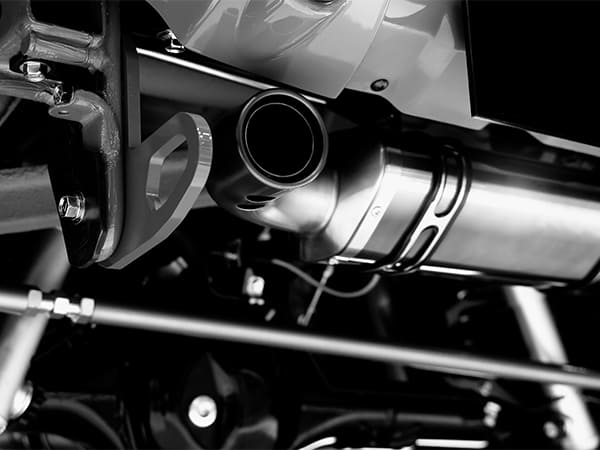
Understanding the Exhaust System
The exhaust system in your vehicle directs harmful gases from the engine out of the car, reducing pollutants, and ensuring your engine performs efficiently. It includes several important components:
- Exhaust Manifold: Collects exhaust gases from the engine cylinders.
- Oxygen Sensors: Monitor the level of oxygen in the exhaust gases and help regulate fuel efficiency.
- Catalytic Converter: Reduces harmful emissions by converting toxic gases into less harmful substances.
- Muffler: Reduces noise from the exhaust gases.
- Exhaust Pipe: Directs the gases out of the vehicle.
With this system handling crucial tasks like emission control and noise reduction, it’s essential to stay proactive with regular maintenance.
Key Exhaust System Maintenance Tips
1. Regular Inspection for Leaks
Exhaust leaks are among the most common problems drivers face. These can occur due to cracks or holes in any of the components, and they can severely affect your car’s performance. Leaks not only allow harmful emissions to escape but also lead to a loud and unpleasant noise. In colder climates like Denver, salt and road debris can cause the exhaust system to deteriorate more quickly.
How to Spot Leaks:
- Visual Inspection: Look for visible signs of rust or damage on the exhaust pipes, manifold, or muffler.
- Sound: A loud engine or unusual noise while driving could indicate an exhaust leak.
- Smell: A strong exhaust smell inside the cabin may point to a leak.
- Check the Check Engine Light: If it turns on due to a sensor failure, it might be linked to an exhaust issue.
Benefits of Regular Inspections:
- Improved Safety: Early detection of leaks helps you avoid the harmful effects of carbon monoxide entering the cabin.
- Enhanced Fuel Efficiency: Leaks can cause your engine to work harder, decreasing fuel efficiency. By addressing leaks early, you can save on gas.
2. Replacing Oxygen Sensors
Oxygen sensors play a critical role in optimizing fuel efficiency and reducing emissions. They detect the level of oxygen in the exhaust gases and send that information to your vehicle’s engine control unit (ECU), adjusting the air-fuel mixture. A faulty oxygen sensor can lead to poor performance, increased emissions, and decreased gas mileage.
Symptoms of a Faulty Oxygen Sensor:
- Decreased Fuel Efficiency: Poor fuel economy is a major indicator.
- Rough Engine Idle: The engine may feel like it’s sputtering or running roughly.
- Check Engine Light: A faulty sensor will often trigger the check engine light.
Denver-Specific Considerations:
In Denver, where high-altitude driving can affect oxygen levels, having a working oxygen sensor is especially crucial for optimizing engine performance and emissions control.
Benefits of Replacing Oxygen Sensors:
- Better Fuel Economy: Properly working sensors help maintain optimal fuel efficiency.
- Reduced Emissions: Ensures that your vehicle complies with local emission standards.
- Longer Engine Life: Proper air-fuel mixture improves engine health and longevity.
3. Clearing Clogs in the Catalytic Converter
You may not think about it, but the catalytic converter is busy transforming carbon monoxide and hydrocarbons into safer substances, which dramatically lowers the amount of harmful smoke your car puts out. As the miles pile up, the converter can gradually clog, especially when you habitually take short trips or the engine burns fuel inefficiently.
How to Prevent Clogs:
- Drive Longer Distances: Regular long drives help the catalytic converter reach its ideal operating temperature, preventing clogs.
- Use Quality Fuel: Low-quality fuel with impurities can contribute to clogs. Use top-tier fuel to protect the system.
Symptoms of a Clogged Catalytic Converter:
- Loss of Power: The engine may struggle to accelerate, particularly uphill or when merging onto highways.
- Increased Fuel Consumption: A clogged catalytic converter forces the engine to work harder, leading to decreased fuel economy.
- Rattling Noise: A rattling sound from underneath the car could indicate a damaged or broken catalytic converter.
Denver-Specific Considerations:
At Denver’s altitude the thin air and lower pressure challenge the engine, so keeping the catalytic converter in top condition helps maintain smooth operation and good fuel mileage.
4. Check and Replace the Muffler
A muffler’s job is to reduce the noise produced by the engine’s exhaust gases. Over time, rust, road debris, or wear and tear can cause damage to the muffler, resulting in increased noise levels and potentially exhaust leaks.
Symptoms of a Faulty Muffler:
- Increased Noise: A louder-than-usual engine sound or a rattling noise.
- Reduced Engine Performance: A muffler that is clogged or damaged may reduce exhaust flow, causing the engine to work harder.
Benefits of Muffler Maintenance:
- Noise Reduction: Keeps your car operating quietly, reducing unwanted noise.
- Improved Engine Performance: Ensures proper exhaust flow, allowing your engine to run efficiently.
5. Regularly Flush the Exhaust System
Over time, your exhaust system can accumulate debris, carbon deposits, and moisture. If left unchecked, this can cause clogs and rust. Regular flushing helps remove these impurities, maintaining your exhaust system in good working order.
How to Flush the System:
- Visit a Professional: Regular maintenance, including system flushing, is something best handled by a professional.
- Maintain Proper Fluid Levels: Ensuring that the engine is properly tuned will help minimize carbon build-up and prevent excessive moisture in the system.
Benefits of Flushing:
- Prevents Rust and Corrosion: Helps to keep the exhaust system in top condition, especially important in Denver’s salty winter conditions.
- Improved Efficiency: A clean exhaust system ensures optimal performance and fuel efficiency.
Real-World Case Study: Exhaust System Repair in Denver
Sarah, a local driver, realized her car’s acceleration had slowed and her MPG had dropped. After we brought the car to a local car care, the shop’s staff identified a clogged catalytic converter and a faulty exhaust pipe as the culprits. After swapping the converter, sealing the exhaust leak, and cleaning the system, Sarah’s car ran at top speed again. The car now drinks 15% less fuel, and its engine purrs with far fewer jitters.
Keep Your Exhaust System Running Smoothly
Looking after your exhaust isn’t just a routine chore; it directly influences fuel use and reliability, two factors that matter on Denver’s windy, high‑elevation routes. By scheduling periodic diagnostics, attending to needed repairs without delay, and maintaining the vehicle responsibly, drivers can both prolong service life and mitigate the likelihood of steep repair bills in the future.
If you need expert exhaust system maintenance in Denver, Salta Automotive is here to help. Our experienced technicians can provide the care your vehicle needs to keep you on the road. Schedule your exhaust system check today!
FAQs: Exhaust System Maintenance for Denver Drivers
How often should I inspect my exhaust system in Denver?
It’s a good idea to inspect your exhaust system at least once a year or every 12,000 miles, especially after harsh winter driving conditions.
Why is my exhaust so loud?
A loud exhaust can be caused by a damaged muffler, exhaust leaks, or a clogged catalytic converter. Have it checked by a professional to identify the issue.
Can driving in Denver’s winter affect my exhaust system?
Yes, road salt and moisture can cause rust and corrosion, especially in the exhaust pipes and muffler. Regular inspection and cleaning are essential during the winter months.
How do I know if my catalytic converter is clogged?
Symptoms include reduced engine power, increased fuel consumption, or rattling noises. A clogged converter may also trigger the check engine light.
What should I do if my exhaust system smells inside the cabin?
A strong exhaust smell inside the cabin could indicate a leak in the exhaust system, potentially allowing harmful gases like carbon monoxide to enter. Have the system checked immediately.