
An engine tune-up is one of the most important maintenance services for your vehicle. It ensures your engine is running at its peak performance, optimizing fuel efficiency, reducing emissions, and preventing costly repairs. Drivers in Denver, CO face shifting weather and steep roads that stress a vehicle’s engine, so sticking to a regular tune‑up schedule keeps the car running smoothly. Think of a tune up as a check up for your engine; we’ll explore the tasks involved, why they’re vital, and how they extend the life of your ride.
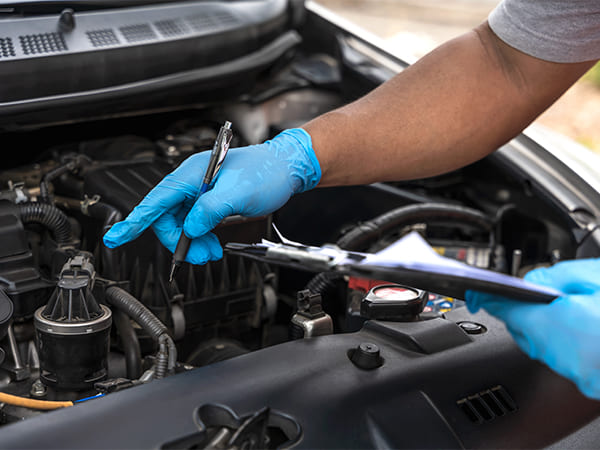
What Is an Engine Tune-Up?
An engine tune-up involves a series of checks, adjustments, and replacements designed to maintain or restore optimal engine performance. While the exact services may vary depending on the vehicle’s make, model, and age, a typical engine tune-up will include the inspection, cleaning, and replacement of key engine components.
Key Components Involved in a Tune-Up:
- Spark Plugs: Essential for ignition, spark plugs can wear down over time and affect engine efficiency.
- Air Filter: A clean air filter ensures proper airflow into the engine, improving fuel efficiency and performance.
- Fuel Filter: Replacing the fuel filter ensures that clean fuel is being delivered to the engine.
- Timing and Idle Speed Adjustments: Ensures the engine runs smoothly at different speeds.
- PCV Valve: Checks the Positive Crankcase Ventilation (PCV) valve to regulate exhaust gases.
For modern vehicles, engine tune-ups may also involve electronic diagnostic tests that check engine sensors and software updates.
Why Engine Tune-Ups Are Important in Denver, CO
Denver’s high altitude, variable weather, and hilly roads make regular maintenance essential. Here’s why an engine tune-up is especially important for Denver drivers:
| 1. Improved Fuel Efficiency | Denver’s long commutes and mountain driving can strain fuel economy. A tune-up ensures efficient engine performance, reducing fuel consumption and saving money at the pump. |
| 2. Better Engine Performance | Regular tune-ups help the engine run smoothly, especially on Denver’s hilly terrain, reducing engine strain, preventing stalls, and improving overall ride quality. |
| 3. Increased Longevity | Proper maintenance extends the life of your vehicle. Replacing components like spark plugs and air filters prevents major issues and costly repairs in the future. |
| 4. Reduced Emissions | With Denver’s strict emissions standards, a well-tuned engine produces fewer emissions, helping your vehicle pass state inspections and contribute to a cleaner environment. |
| 5. Prevention of Larger Problems | Addressing minor issues early prevents them from becoming costly repairs. For example, replacing faulty spark plugs prevents engine misfires that can cause serious damage. |
What’s Included in a Typical Engine Tune-Up?
A typical engine tune-up may vary depending on the specific needs of your vehicle, but most shops in Denver will include the following steps:
1. Spark Plug Replacement
The little devices that sit in each cylinder create the spark needed to burn the fuel and air. When the plugs degrade, you’ll notice occasional misfires, lower miles per gallon, and a shaky idle. Updating them in a tune‑up gives the engine the chance to run smoothly, like a well‑lubricated machine.
2. Checking and Replacing Air Filter
If you replace a dirty filter with a clean one, you restore proper airflow to the engine, which directly improves how well the fuel burns. A dirty filter makes the engine gulp more fuel and feel sluggish. Swapping it during a tune up can boost your engine’s power and cut fuel use.
3. Fuel Filter Replacement
Replacing a clogged fuel filter ensures that only clean fuel is being delivered to the engine. This prevents debris from entering the engine and causing damage. It also helps maintain consistent engine power.
4. Inspection of Timing and Idle Speed
Engine timing decides how smoothly it runs at low, mid, and high speeds. During a tune‑up, the technician inspects the engine’s timing and tweaks it as needed so the car runs smoothly.
5. PCV Valve Inspection
The Positive Crankcase Ventilation (PCV) valve takes stray exhaust gases and reroutes them away from the crankcase. When the PCV valve clogs, you may notice oil spraying from the spark plug area as internal pressure forces the fluid out. Cleaning or swapping the PCV valve makes the engine run right.
6. Cleaning the Fuel Injectors
Inside the engine, injectors puff fuel, starting the burn. If the passages become obstructed, expect the engine to stutter and run poorly. Cleaning the fuel injectors during a tune‑up helps raise fuel efficiency and overall performance.
7. Battery Check
A tune-up often includes a quick battery check to ensure it’s functioning well. A weak battery can cause a host of issues, from starting problems to electrical malfunctions.
How Often Should You Get an Engine Tune-Up?
The frequency of engine tune-ups depends on the age and type of your vehicle, but a general guideline is:
- Older Vehicles (10+ years): Every 15,000-30,000 miles or every 1-2 years.
- Newer Vehicles: Every 30,000-50,000 miles or every 3-5 years.
If you spot rough idling, poorer fuel mileage, or the engine cranks hard, plan a tune up right away.
Real-World Case Study: Tune-Up in Denver
Take the example of John, a Denver resident who noticed his car was idling roughly and consuming more fuel. He took his car to Salta Automotive for a tune-up. During the service, the mechanic replaced his spark plugs, cleaned his fuel injectors, and replaced the air filter. After the tune-up, John reported a noticeable improvement in performance—his car started faster, idled smoothly, and his fuel economy improved by 15%. This tune-up not only solved immediate issues but also helped extend the life of his car.
Benefits of Regular Engine Tune-Ups
1. Cost Savings
Regular tune-ups can save you money in the long run. By addressing minor issues early, you prevent major breakdowns that can lead to expensive repairs. A tune-up is a cost-effective way to prevent the expensive repairs that come with major engine issues.
2. Enhanced Vehicle Safety
A well-maintained engine ensures that your car is running safely and efficiently. For Denver drivers, this is particularly important when navigating the hilly terrain and unpredictable weather.
3. Better Driving Experience
Engine performance affects the overall driving experience. A well-tuned engine runs smoother, reduces vibrations, and provides a more responsive feel behind the wheel.
4. Environmental Impact
By keeping your engine in top shape, you reduce emissions and contribute to a cleaner environment, which is especially important in cities with higher pollution levels like Denver.
Stay on Top of Your Car’s Maintenance
A well-maintained engine ensures that your vehicle runs smoothly and efficiently, especially in a demanding environment like Denver. By scheduling regular tune-ups, you can extend the life of your engine, improve performance, and avoid costly repairs.
For top-quality engine tune-ups in Denver, Salta Automotive is here to help. Our team of experts is dedicated to ensuring your vehicle runs at its best, no matter the terrain or weather. Schedule your tune-up today and drive confidently on Denver’s roads!
FAQs About Engine Tune-Ups
How long does an engine tune-up take in Denver?
An engine tune-up typically takes between 1-2 hours, depending on the vehicle and the extent of the service needed.
How much does an engine tune-up cost in Denver?
The cost of a tune-up in Denver can range from $100 to $300, depending on the make and model of your vehicle and the specific services required.
How often should I get a tune-up for my car?
For most vehicles, an engine tune-up should be performed every 30,000 to 50,000 miles or every 2-3 years.
Can I skip a tune-up if my car is running fine?
Even if your car seems to be running fine, skipping a tune-up can lead to unnoticed issues that might get worse over time. Regular tune-ups prevent future problems.
What happens if I don’t get a tune-up?
Neglecting engine maintenance can lead to poor fuel efficiency, engine misfires, increased emissions, and eventually costly repairs or breakdowns.