

Living and driving in Denver means dealing with a unique mix of challenges — altitude, mountain roads, seasonal temperature swings, snow and salt in winter, and high‑altitude engine stress. For many drivers, it’s easy to skip regular checkups and wait until something “feels wrong.” But in Denver, delaying routine auto care often leads to bigger repair bills, unexpected breakdowns, or safety risks.
This guide walks you through absolutely everything Denver drivers should know about auto repair and maintenance — from basic oil changes and diagnostics to choosing a trustworthy repair shop. Whether you’re a longtime resident or new to the area, this is your go-to resource for keeping your car safe, reliable, and efficient.
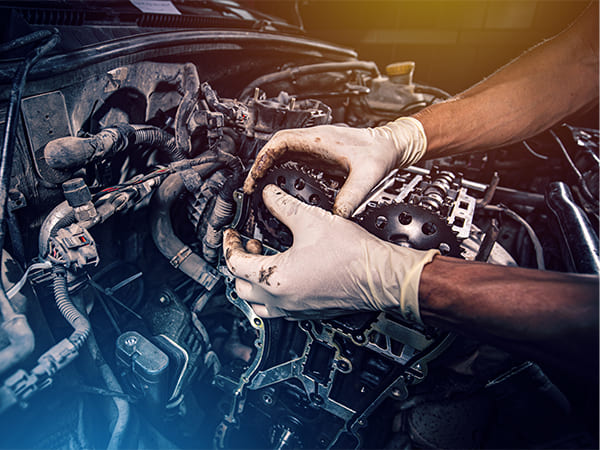
Common Auto Repair Shop Services
When you bring your car to a quality auto shop in Denver, a proper shop should offer a broad menu of services. These often include: oil & filter changes, multi‑point inspections, brake repairs, tire services (rotation, balancing, alignment), engine diagnostics, suspension/steering work, fluid flushes (coolant, transmission, brake), exhaust work, air conditioning repair, battery & electrical diagnostics, and scheduled maintenance intervals (30K, 60K, etc.).
Broad offering ensures — whether your car needs preventive maintenance or major repair — that the shop can handle it systematically, without you needing to go shop‑hopping and risking inconsistent care.
How Auto Diagnostics Work
One of the most important services a modern auto repair shop provides is diagnostics — not just quick “what’s wrong” guesses, but structured diagnostic work to identify root causes before parts get hastily replaced. Reliable diagnostics help save money, avoid unnecessary parts replacement, and fix problems the first time.
Typical diagnostic steps include:
- Plugging into the vehicle’s onboard computers (OBD‑II or manufacturer-specific) to read error codes and performance data.
- Visual inspection of related systems: belts, hoses, exhaust, fluids, suspension, wiring, etc.
- Test‑driving (if safe) to recreate symptoms like vibration, noise, power loss, overheating, or braking issues.
- Multi‑point inspection to check wear items (tires, brakes, fluids, filters) — because sometimes a “check engine” or poor performance isn’t just one thing but many smaller issues working together.
A good auto repair shop in Denver uses diagnostics as the first line of defense — it helps catch problems early, prevent costly repairs, and keeps your car safe on variable terrain and altitudes.
Importance of Regular Car Maintenance
Routine maintenance isn’t just about preventing breakdowns — it’s about keeping your car running efficiently, safely, and economically over the long term. Regular maintenance:
- Ensures components are replaced before they fail (fluids, filters, belts, tires)
- Helps preserve fuel economy (clean filters, fresh oil, proper tire pressure)
- Reduces wear and tear on engine, transmission, brakes — major systems that are expensive to repair if neglected
- Improves overall safety — especially important when driving on mountain roads, snowy passes, or high‑traffic streets in Denver
Experts commonly recommend maintenance every 5,000–7,500 miles for typical use, including oil changes, fluid checks, basic inspections. For heavier use (towing, mountain driving, frequent start‑stops), more frequent checks may be wise.
Signs Your Car Needs Repair
Even with routine care, cars sometimes develop issues. Here are red flags you shouldn’t ignore (and a good shop visit is warranted):
- Check engine light, or dashboard warning lights
- Unusual noises: grinding, squealing, rattling, knocking, vibration
- Loss of power, rough idling, stalling
- Brake squeal, reduced braking response, pulling to one side
- Uneven tire wear, poor alignment, steering issues
- Overheating, leaking fluids, burning smell
If you notice any of these — especially in Denver’s demanding conditions — get your vehicle inspected promptly. Leaving things unchecked can escalate to bigger problems.
Understanding Vehicle Warning Lights
Modern vehicles are computerized, so warning lights are your car’s way of telling you something needs attention. Not every warning means catastrophe — but ignoring them can.
Common lights: “Check Engine,” oil pressure, ABS/brake, coolant/temperature, battery/charging system, tire pressure monitoring. A trustworthy shop uses diagnostic tools to read fault codes, determine severity, and decide whether something can wait or needs immediate repair.
Brake System Repair Guide
Brake health is one of the most critical safety concerns — especially in Denver, with mountain roads and winter conditions.
- Brake pad & rotor inspection: Pads should be checked regularly (often every 10,000–20,000 miles, but depends on driving habits). Rotors must be inspected for wear, warping, or grooves.
- Brake fluid: Should be checked for level and condition; many shops recommend a flush every 2 years or when moisture is detected in fluid — moisture lowers boiling point, risking brake fade under heavy stress.
- Brake lines, hoses, hardware: Rust, road salt, and cold conditions can hasten corrosion — inspecting these components helps avoid leaks or failure.
Proper brake maintenance ensures safe stops on steep hills or slippery winter roads, so don’t delay brake checks.
Engine Tune-Up Essentials
Regular engine tune-ups help maintain smooth performance and efficient fuel usage. A typical tune-up may include: spark plug replacement, ignition system check, air‑filter replacement, fuel‑system inspection, fluid checks, and possibly timing belt/chain inspection depending on mileage.
Tune‑ups often coincide with major service intervals (for example, at 60,000 miles or every few years).
When done properly, tune-ups:
- Improve power delivery and fuel efficiency
- Reduce exhaust emissions and pollution
- Prevent misfires, rough idling, or engine knocks
Denver’s varying altitudes and driving conditions make regular tune‑ups especially valuable to maintain engine health.
Advanced Engine Diagnostic Technologies
Modern auto repair shops often use advanced diagnostic technologies to detect problems before they become major. This includes computer diagnostics, sensor checks, emission monitoring, and sometimes predictive maintenance based on data patterns.
Beyond just reading error codes, these diagnostics can help identify issues like slow‑developing sensor failures, early-stage issues with exhaust or emissions systems, wiring problems, or subtle engine inefficiencies — especially useful when cars are exposed to extreme conditions (cold, altitude, stop‑and‑go traffic).
Steering System Troubleshooting
Steering and suspension components take a beating from city streets, potholes, mountain passes, and winter salt. Common problems: loose tie rods, worn ball joints, aligned wheels going out of spec, shocks/struts aging prematurely.
Symptoms to watch for:
- Pulling to one side
- Uneven tire wear
- Steering feel: loose, jerky, or vibration
- Noises when going over bumps
A trusted auto repair shop will inspect suspension, steering, and wheel alignment — and perform needed repairs or realignment to ensure safe handling.
Exhaust System Maintenance Tips
Exhaust systems degrade over time — rust, heat cycles, stress from mountain driving, and snow/salt exposure accelerate wear. A well‑maintained exhaust keeps emissions in check, reduces noise, and ensures engine efficiency. Routine checks should include:
- Exhaust hangers and mounts (loose hangers cause rattling)
- Pipes and joints for rust or leaks
- Muffler, catalytic converter functionality (especially important for emission standards)
- Oxygen and exhaust sensors (to maintain proper fuel/air ratio)
Catching exhaust issues early avoids both environmental damage and costly repairs down the road.
Oil Change Frequency Guide
Oil is the engine’s lifeblood. According to general guidelines, many modern vehicles benefit from an oil change every 5,000–7,500 miles under normal conditions.
However, actual frequency depends on how you drive:
- Frequent stop‑and‑go, short trips, or city driving — consider changing every 5,000 miles or at manufacturer-recommended intervals.
- Long-distance driving, highway use — stay close to 7,500 miles if using high‑quality synthetic oil.
- Heavy-duty use (towing, hauling) or severe conditions (mountain passes, winter salt exposure) — more frequent changes may be needed.
Always check your owner’s manual and talk with a trusted mechanic — oil quality and engine health go hand in hand.
Tire Rotation and Balancing Tips
Tires are your only contact point to the road — good maintenance here is essential for safety and fuel efficiency:
- Rotate tires every 5,000–8,000 miles to ensure even tread wear.
- Check tire pressure monthly — especially with Denver’s altitude and temperature swings. Uneven tire pressure impacts handling, wear, and gas mileage.
- Balance tires when rotating or anytime you feel vibration — misbalanced tires cause uneven wear and can stress suspension components.
- Inspect tread depth — replace tires when tread is low to maintain traction, especially for winter driving.
Air Conditioning Repair Basics
Denver’s summers can get hot at elevation — a functioning A/C improves comfort and safety (window use, visibility, etc.). Basic A/C maintenance includes inspecting refrigerant levels, checking compressor health, verifying condensers, belts/hoses and ensuring cabin filters are clean.
Routine A/C checks — especially before summer — can prevent breakdowns in the heat, help maintain proper airflow, and extend the life of A/C components.
Electrical System Diagnostics Explained
Modern cars are increasingly dependent on electrical systems: sensors, computer modules, ECU, wiring harnesses, infotainment and safety electronics. When electrical issues appear (flickering lights, battery drain, sensor errors, warning lights), a professional shop should:
- Run battery and charging‑system tests
- Scan error codes from ECU
- Inspect wiring harnesses, grounds, connections for corrosion or wear
- Check alternator and starter function
Because Denver’s weather (cold, salt, snow) can accelerate corrosion or wiring damage, electrical diagnostics are crucial for reliability and safety.
Cooling System Repair and Care
Engines generate heat, and an effective cooling system keeps everything from overheating — especially crucial at high altitudes or under heavy load (mountain driving, towing).
Cooling system maintenance includes:
- Checking coolant levels and quality
- Inspecting radiator, hoses, belts for leaks or cracks
- Flushing coolant as per manufacturer schedule (often every 2–5 years)
- Ensuring thermostat and water pump are functioning
Failing coolant systems can cause engine overheating, reduced efficiency, and serious engine damage — so regular checks are vital in Denver’s varied driving conditions.
Fuel System Cleaning Importance
Over time, fuel injectors, fuel filters, and fuel lines accumulate deposits — leading to reduced performance, poor fuel economy, rough idling, or stalling. Periodic fuel system cleaning or inspection helps maintain smooth engine operation, especially if you drive older cars or frequently do short trips (common in city or mountainous commutes).
A good auto repair shop includes fuel‑system cleaning or inspection as part of mid‑interval maintenance (30,000–60,000 miles), helping prevent costly repairs down the line.
Wheel Alignment Benefits Explained
Proper wheel alignment improves handling, prolongs tire life, and boosts fuel efficiency. Misaligned wheels cause uneven tire wear, steering pull, vibration — all of which compromise safety and comfort.
Alignment checks are especially recommended: after replacing tires, suspension work, or if you notice uneven wear or steering issues. Many shops offer alignment as part of a maintenance package, which is smart for Denver drivers after winter roads or mountain driving.
Impact of Driving Habits on Car Longevity
How you drive — not just how often you bring your car in — shapes how long it lasts. Harsh acceleration, frequent short trips, towing, heavy loads, mountain driving, cold starts — all increase wear on engine, transmission, brakes, and other systems.
Conversely, smooth driving, regular maintenance, and attentive care dramatically increase reliability, reduce repair frequency, and preserve resale value over time. Regular maintenance helps mitigate damage from habits.
Preventive Auto Maintenance Checklist
Here’s a high‑level checklist Denver drivers should follow to stay ahead:
- Oil & filter change — every 5,000–7,500 miles (more often under heavy use)
- Tire rotation & pressure check — every 5,000–8,000 miles + monthly pressure check
- Brake inspection — at least annually; more often with heavy braking or mountain driving
- Fluid checks (coolant, transmission, brake, power steering, washer) — every 3–6 months or per manufacturer schedule
- Air/cabin filter replacement — every 15,000–30,000 miles or per manufacturer
- Suspension, steering, belt/hose inspection — annually or after rough road use
- Battery & electrical system check — annually, especially before winter
- Wheel alignment — as needed based on wear or steering feel
- Exhaust system check — annually or if you notice unusual noise or smell
Seasonal Car Maintenance Tips
Because Denver sees hot summers, cold winters, and seasonal road treatment (salt, snow), it’s wise to treat the seasons as cues for specific checks:
- Before Winter: Check coolant/antifreeze, battery health, brakes, tires (consider all‑season or winter tires), suspension, and heater/defroster functionality.
- After Winter / Early Spring: Inspect for suspension damage, wheel alignment, check for rust or salt corrosion, flush washer fluid, test brakes.
- Before Summer: Check A/C system, coolant, cooling fans/hoses, belts, tire pressure, alignment — summer heat + altitude stresses engine cooling.
- After Summer / Fall Prep: Inspect tires, brakes, suspension, fluids — get ready for winter driving and cold starts.
Hybrid Vehicle Repair Essentials
Hybrid vehicles combine internal‑combustion engines with electric systems, which adds layers of complexity. For hybrid owners in Denver:
- Regular maintenance (oil changes, fluid checks, brakes, tires) still matters — the ICE (internal combustion engine) still gets used, especially under cold or high‑load conditions.
- Battery & electric‑system diagnostics — hybrid batteries, wiring, cooling, regenerative braking components need periodic checks.
- Software diagnostics — many hybrids rely on onboard computers; shops should use appropriate scanning tools.
- Specialized knowledge & parts — ensure your shop has hybrid experience, tools, and proper replacement parts (e.g., for high‑voltage systems).
Choosing a shop that understands hybrids is key to maintaining performance and safety.
How to Choose an Auto Repair Shop
Not all shops are created equal. When you select a shop in Denver, look for:
- Certifications: ASE (Automotive Service Excellence) or equivalent — shows mechanics are tested and updated with modern vehicle tech.
- Transparent diagnostics and clear estimates — no guessing, no unnecessary parts. A reputable shop explains issues, shows data (codes, inspection results), and gives honest recommendations.
- Broad service capabilities — from routine maintenance to advanced diagnostics (engine, hybrid, suspension, brakes, A/C, exhaust, etc.)
- Warranty or workmanship guarantee — quality shops in Denver often stand behind their work for a set period/mileage, giving you peace of mind.
- Clear communication & records — service history logs, maintenance reminders, customer-friendly explanations
Certified Mechanic vs. Local Garage
There’s a difference between a certified shop with trained technicians and a small local garage that may specialize in simpler jobs. Certified mechanics offer:
- Proven training and up-to-date skills — valuable for modern vehicles with complex systems (computer diagnostics, emissions, hybrids)
- Proper parts — OEM or quality aftermarket with correct specifications
- Warranty compliance — especially important if your vehicle is under factory warranty or you plan long-term ownership
Local garages may handle basic maintenance fine, but for sophisticated diagnostics or major repair work (engine, hybrid, electronics), certified professionals are often the safer bet.
Eco‑Friendly Practices in Auto Repair
Modern auto repair doesn’t just serve vehicles — it can also reduce environmental impact. Good practices include:
- Proper disposal and recycling of used oil and fluids
- Using quality parts that last longer (less frequent replacement)
- Offering fuel/air filter maintenance to improve engine efficiency and reduce emissions
- Encouraging preventive maintenance (reduces frequency of major repairs, prolongs vehicle lifespan)
Focusing on eco‑friendly repair and maintenance also helps extend vehicle lifespan — saving money and reducing environmental footprint.
Car Inspection and Safety Standards
Regular inspections — especially after long winter months or before road trips — help ensure your vehicle meets safety standards. Inspections should cover: brakes, tires, lights, suspension, steering, exhaust/emissions, fluid levels, battery, and structural components. Many US maintenance schedules call for inspection every 12 months or at certain mileage milestones.
In Denver, with high altitude, salt roads, and mountain driving, these inspections are even more critical.
Understanding Auto Repair Estimates
Before any repair, a reputable shop should give you a detailed written estimate: parts, labor, possible alternatives, and explanation of why each repair is necessary. This transparency helps you make informed decisions — avoid “upsells,” pay only for what your car truly needs, and plan your maintenance budget better.
Always ask for itemized estimates, warranty coverage, and ask whether OEM or aftermarket parts will be used.
Warranty Coverage for Car Repairs
Some quality shops offer warranties on parts and labor (e.g. 12 months or 12,000 miles), especially for major repairs or rebuilds. When choosing a shop, check whether they offer such coverage — it can save you money if something goes wrong soon after repair. Certified shops with training and documented records are more likely to stand behind their work.
Signs of Transmission Failure
Transmission problems often star