Understanding what alignment tolerances mean is super important if you want your German car to drive perfectly and last a long time. This article breaks down what alignment tolerances are, how they affect the way your car handles, and why getting that alignment just right is an absolute must-do for luxury vehicles like your BMW, Audi, or Mercedes, especially with the roads and conditions we have right here in Denver.
Why Alignment Tolerances Matter for German Cars
Alignment tolerances refer to the acceptable ranges within which the suspension and steering components of a vehicle must be aligned to ensure optimal handling and tire wear. When it comes to your high-performance German car—think BMW, Audi, or Mercedes-Benz—the alignment isn’t just a suggestion; it’s vital. These cars are engineered to incredibly tight specs. If your alignment drifts even a little from what the factory intended, you’ll immediately feel it in the handling, and worse, it can start prematurely wearing out expensive parts. Keep those tolerances perfect!
How Alignment Tolerances Work in German Vehicles
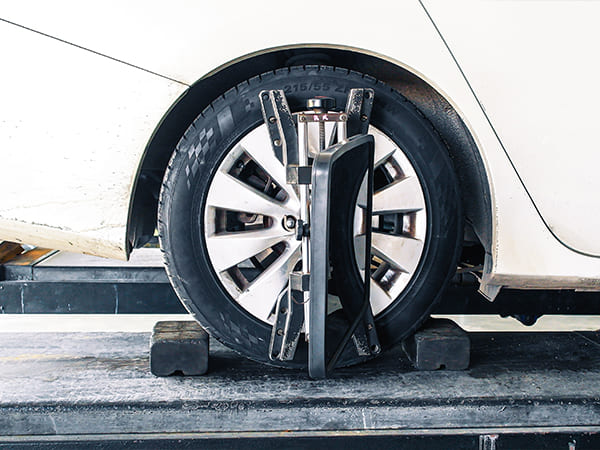
Alignment is the process of adjusting the angles of the wheels to the manufacturer’s specifications, ensuring that all parts work together properly. The key alignment angles include:
- Camber: The tilt of the wheels when viewed from the front of the car. Incorrect camber can lead to uneven tire wear and poor handling.
- Caster: The angle of the steering axis, which affects the vehicle’s stability and steering feel.
- Toe: The angle at which the tires point in or out, affecting tire wear and driving stability.
German vehicles are engineered with very tight alignment tolerances, meaning even small deviations from the recommended specifications can lead to issues. Precision is critical to maintaining the performance these cars are known for, and even a slight misalignment can cause uneven tire wear, poor handling, or decreased fuel efficiency.
What Commonly Goes Wrong with Alignment Tolerances?
Several factors can cause misalignment in German vehicles:
- Accidents or Impacts: Hitting a pothole, curb, or being involved in a minor accident can throw off alignment settings.
- Wear on Suspension Components: As suspension parts wear down over time, they can affect alignment, leading to changes in handling and tire wear.
- Improper Installation or Adjustments: If your vehicle’s alignment is not adjusted to the manufacturer’s exact specifications, even a small error can affect performance and tire longevity.
- Driving Conditions: In Denver, where the roads can be rough, frequent exposure to harsh conditions can cause suspension components to wear more quickly, leading to alignment issues.
Symptoms of Misalignment in German Vehicles
If your German car’s alignment is off, you may notice the following symptoms:
- Uneven or Rapid Tire Wear: Misalignment leads to uneven pressure on the tires, causing them to wear out faster on one side.
- Pulling to One Side: If your car drifts or pulls to one side when driving straight, it’s a sign that the alignment is off.
- Steering Wheel Off-Center: If your steering wheel isn’t centered when driving straight or requires constant adjustments, it could indicate a misalignment issue.
- Vibrations or Shaking: Unusual vibrations through the steering wheel or seat, especially at higher speeds, can result from misalignment or worn suspension parts.
- Poor Handling: If your vehicle feels less responsive when turning or feels unstable, poor alignment could be a contributing factor.
Preventive Logic and Best Practices for Alignment
Maintaining proper alignment is crucial to ensure the longevity and performance of your German vehicle. Here’s how to prevent alignment issues:
- Regular Alignment Checks: Have your alignment checked at least once a year, especially if you notice any of the symptoms mentioned above or after hitting a curb or pothole.
- Follow Manufacturer Guidelines: Make sure your vehicle’s alignment is adjusted to the manufacturer’s exact specifications, as German vehicles require a high level of precision for optimal performance.
- Replace Worn Suspension Parts: Keep an eye on your vehicle’s suspension components. Replacing worn-out parts like bushings, ball joints, or tie rods helps maintain proper alignment.
- Drive Carefully: Avoid rough driving, such as hitting curbs or potholes, which can damage alignment settings and suspension components.
Cost, Risk, and Downtime of Ignoring Alignment Issues
If alignment issues are ignored, the consequences can be costly and time-consuming:
- Increased Tire Wear: Misalignment causes uneven tire wear, which may require premature tire replacements.
- Higher Repair Costs: Continuing to drive with improper alignment can cause additional damage to suspension components, leading to higher repair costs.
- Decreased Fuel Efficiency: Misalignment can cause increased rolling resistance, which reduces fuel efficiency.
- Safety Risks: Poor alignment can compromise your vehicle’s handling, making it more difficult to drive safely, especially in sudden maneuvers or on slick roads.
- Vehicle Downtime: Prolonged misalignment issues can lead to longer repair times and unnecessary downtime.
Alignment Considerations for Denver Drivers
Denver’s varying road conditions, from rough mountain roads to urban potholes, can take a toll on your vehicle’s alignment. Frequent exposure to such conditions can wear out suspension components faster, leading to misalignment. Additionally, Denver’s altitude can affect tire pressure, further impacting alignment. Regular alignment checks are essential for Denver drivers, especially for German vehicles, to maintain precision handling and prevent costly repairs.
Keep Your German Car Handling Like New with Alignment Checks
At Salta Automotive, we specialize in precise alignment services for European and Asian vehicles. Our team in Denver ensures your car’s alignment is adjusted to exact manufacturer specifications to maintain optimal performance, handling, and safety.
Alignment FAQs for German Cars
How do I know if my German car’s alignment is off?
If you notice uneven tire wear, your car pulls to one side, or the steering wheel is off-center, these are common signs that your alignment may be out of spec.
Can alignment affect my car’s performance?
Yes, poor alignment can affect steering, handling, fuel efficiency, and tire longevity, all of which can reduce your car’s overall performance.
How often should I check my car’s alignment?
It’s recommended to check your vehicle’s alignment at least once a year, or whenever you notice issues like pulling or uneven tire wear.
Can driving on rough roads affect my alignment?
Yes, frequent driving on rough roads, hitting potholes, or curb impacts can cause your vehicle’s alignment to go out of spec, especially for precision-engineered German cars.
How long does an alignment service typically take?
Alignment services usually take about 30 minutes to an hour, depending on the vehicle and any adjustments that may need to be made. It’s a relatively quick service that can significantly improve your car’s handling and tire lifespan.
Key Takeaways on Alignment Tolerances for German Cars
Precise alignment is crucial for the optimal performance and safety of your German car. Regular alignment checks, attention to driving habits, and prompt repairs can prevent costly issues like uneven tire wear and handling problems. In Denver, where road conditions can be tough, maintaining proper alignment ensures that your vehicle handles at its best, providing a smooth and safe driving experience.