
Checking your own alignment in the driveway saves you a trip to the shop. It helps you catch small steering pulls before they ruin your tires. Keeping your wheels straight helps your car drive better and stops your tires from wearing out too fast. It then provides step-by-step instructions on how you can assess your alignment status right in your own garage. This guide wraps up with signs that your car needs help. If you notice these, visit a Denver pro for an alignment.
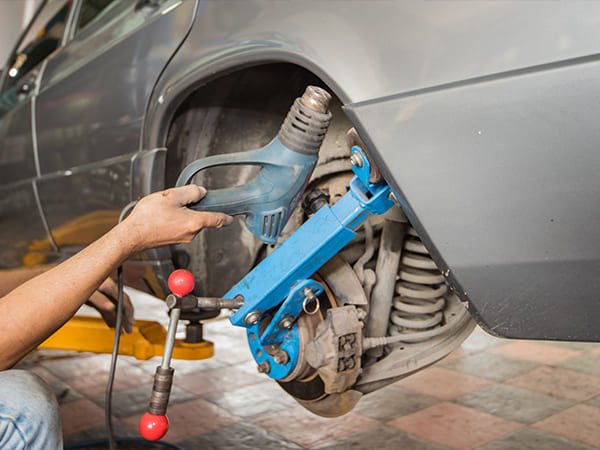
Why Wheel Alignment Matters
Wheel alignment is super important for your car’s safety and how long it lasts. When your wheels are out of whack, you’ll see uneven tire wear, worse gas mileage, and handling problems—all things that raise your accident risk. Since Denver has crazy weather, from hot summers to snowy winters that beat up the roads, good alignment matters even more.
For instance, Denver’s big temperature swings cause roads to expand and contract, leading to potholes and cracks. If your alignment is already off, hitting those rough spots will just make the damage much worse over time.
How Wheel Alignment Works
Alignment focuses on the geometry of your tires. When the angles match the factory settings, your car handles better and the rubber wears down evenly. Proper alignment ensures that:
- The tires are aligned with each other
- They’re perpendicular to the ground
- They’re parallel to the vehicle’s centerline
The process involves adjusting the angles of the tires to the vehicle manufacturer’s specifications. The most common angles checked are the camber, toe, and caster angles. Misalignments can cause uneven wear, reducing the lifespan of your tires and affecting your vehicle’s performance.
Common Issues and What Goes Wrong
Several factors can lead to misalignment. These include:
- Road Hazards: Potholes, curbs, and rough terrain are common in Denver, and hitting them can knock your wheels out of alignment.
- Wear and Tear: Over time, components like suspension and steering parts wear down, causing alignment issues.
- Accidents or Collisions: A minor fender bender or hitting a large object can knock the suspension out of alignment.
- Improper Repairs: If a vehicle part isn’t reassembled correctly after repair, it can affect the alignment.
In Denver, extreme temperature swings can also have an impact on the rubber components in the suspension, potentially altering wheel alignment over time.
Symptoms of Misalignment vs. Root Causes
Identifying the symptoms of wheel misalignment early can save you from more costly repairs later. Common signs include:
- Uneven or Rapid Tire Wear: This is a strong indication that the tires are not making proper contact with the road surface.
- Pulling to One Side: If your car pulls left or right, it’s likely a sign of misalignment.
- Crooked Steering Wheel: A steering wheel that is not centered when driving straight could indicate that your wheels are not aligned properly.
- Vibrating Steering Wheel: Misaligned wheels can cause the steering wheel to vibrate, especially at higher speeds.
Other mechanical failures can cause this too. Check your alignment and suspension since they frequently trigger the exact same vibrations. Misalignment happens often. Still, pinpointing the exact mechanical slip is hard work without the right industrial scanners.
DIY Wheel Alignment Check: What You Can Do
You can check your car’s wheel alignment at home with a few simple steps, even if it’s not as perfect as a professional service:
- Look at your tires: Check for wear and tear that’s uneven or irregular across the tread.
- Check your steering wheel: If it’s crooked when you’re driving straight on a flat road, your alignment might be off.
- Test the pull: On a flat road, briefly let go of the steering wheel. If your car drifts left or right, it’s likely misaligned.
- Try a string or laser: Use a string wrapped around the car to measure the distance to the wheel’s front and back edge. Different measurements mean misalignment. A laser tool gives a more accurate result.
- Feel for vibration: If your steering wheel shakes when driving at faster speeds, it could be a sign of poor alignment or a tire problem.
Why Professional Evaluation Matters
While DIY checks offer a quick glance at your alignment, they can’t replace a professional check-up. A pro service will inspect your suspension and steering completely. Given Denver’s tough weather, professional evaluation is key for accurate adjustments, as the elements really affect alignment.
A proper alignment also ensures the camber, caster, and toe angles are set perfectly. That means your tires last longer, you get better gas mileage, and your car handles better.
Cost, Risk, and Downtime of Misalignment
Ignoring shaky steering destroys your car over time. If you wait, you will wreck your tires. Your suspension and steering will also suffer. Procrastination turns a simple adjustment into a massive repair bill for your vehicle. Small problems grow into budget killers. They also turn your workplace into a risky environment.
In addition, misalignment can reduce your vehicle’s fuel efficiency, meaning more frequent visits to the gas station and higher overall costs.
Context-Specific Considerations in Denver
Denver’s roads experience extreme weather changes, from hot summers to cold, snowy winters. This constant temperature fluctuation can cause the suspension components to wear down more quickly than in milder climates. Keeping up with wheel alignment checks in Denver is essential to prevent the accelerated wear caused by road conditions.
Be Proactive About Wheel Alignment
Checking your wheel alignment is an important part of vehicle maintenance. Early detection and correction can help you avoid unnecessary costs and improve your vehicle’s performance. Whether you perform a DIY check or bring your vehicle to a professional, staying on top of alignment issues is crucial for the longevity of your tires and the safety of your vehicle. Always remember, when in doubt, contact a professional to ensure your vehicle is driving safely.
Get a Professional Alignment Check from Salta Automotive
If you’re in Denver, it’s always wise to have a professional confirm your wheel alignment. At Salta Automotive, we provide expert alignment checks and services to ensure your vehicle is driving smoothly and safely. Contact us today for a thorough evaluation and peace of mind.
Frequently Asked Questions
How often should I check my wheel alignment?
It’s recommended to check your alignment every 6,000 to 12,000 miles or whenever you notice symptoms like uneven tire wear or steering issues.
Can I drive with misaligned wheels?
Driving with misaligned wheels can lead to uneven tire wear, decreased fuel efficiency, and handling issues. It’s best to get it checked sooner rather than later.
How much does wheel alignment cost in Denver?
The cost of a wheel alignment can vary, but addressing the issue early can save you money in the long run by preventing further damage to your vehicle.
What happens if I ignore wheel misalignment?
Ignoring wheel misalignment can lead to accelerated tire wear, suspension damage, and even more costly repairs. It can also make your vehicle less safe to drive.
Can I fix wheel alignment myself?
While you can check your alignment at home, only a professional can make the precise adjustments required to ensure your vehicle is properly aligned.