
Driving around Denver should be a breeze, right? But if your car is fighting you—maybe pulling sideways or chewing through tires unevenly—you might have an alignment problem. Don’t put it off! Bad alignment means less safety, ruined tires, and bigger bills later.
We’ll clue you in on the sneaky signs of poor alignment. Denver’s roads can be tough, so spotting these issues early is key to keeping your ride smooth and safe.
What Is Vehicle Alignment, and Why Does It Matter?
Vehicle alignment refers to the proper angles at which your car’s wheels are set relative to each other and the road. If your car’s alignment is messed up, your tires aren’t gripping the road right. That means your handling gets sloppy, your tires wear out way too fast, and you’ll be wasting gas.
Denver’s rough weather—think snow, ice, and potholes—is tough on your car’s alignment. Good alignment means a smooth ride, better handling, and keeps your parts from wearing out too fast.
Symptoms of Poor Alignment: A Quick Guide
Below is a table summarizing the common symptoms of poor alignment, helping you quickly identify when your car needs attention.
| Symptom | Description | Why It Happens | How It Affects Your Car |
| Car Pulls to One Side | When driving straight, the car drifts to the left or right. | Wheels are not aligned, causing uneven friction on each side of the car. | Makes it harder to keep the car on track, requiring more effort to steer. |
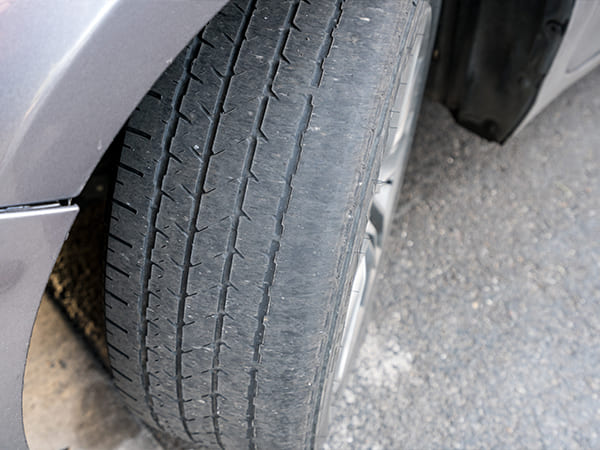
| Uneven Tire Wear | Tires wear out more on one side or develop bald patches. | Misaligned wheels cause improper tire contact, leading to uneven wear. | Can cause premature tire replacement, increasing your costs over time. |
| Off-Center Steering Wheel | Steering wheel is crooked or off-center even when driving straight. | Misalignment can throw the steering mechanism off balance, causing the wheel to stay off-center. | Makes steering feel unnatural and difficult, especially at higher speeds. |
| Vibrations While Driving | You feel shaking or vibrations through the steering wheel, especially at higher speeds. | Uneven tire wear from misalignment creates vibration as the tires make inconsistent contact with the road. | Reduces driving comfort and could be a safety concern at higher speeds. |
| Squealing or Noisy Tires | Tires produce a high-pitched squealing sound while driving. | Misalignment causes tires to drag or scrub against the road unevenly. | Increased friction can lead to quicker tire wear, making driving noisier and less efficient. |
| Decreased Fuel Efficiency | Your car seems to consume more fuel than usual. | Misaligned wheels cause the car to work harder, increasing resistance and fuel consumption. | Reduces overall gas mileage, leading to more frequent trips to the pump. |
How Poor Alignment Affects Your Car’s Performance and Safety
If you notice any of the following signs—uneven tire wear, pulling to one side, a crooked steering wheel, or a vibrating steering wheel—address the problem right away. Ignoring misalignment can lead to faster tire wear, reduced fuel efficiency, and compromised safety.
Driving in Denver is tough on your car’s alignment, especially when the snow and ice hit. Those rugged roads and steep climbs make a bad alignment even worse, leaving you fighting the steering wheel. Get regular alignments to stay safe and in control.
“A properly aligned vehicle handles better on icy patches and steep grades, keeping you safer on Denver’s challenging streets.”
- Extends tire life and saves money on replacements.
- Improves fuel economy and overall handling.
- Enhances driver confidence, especially on slippery or uneven surfaces.
Don’t let these issues sneak up on you—it’s time to book that professional alignment! Keep your drive smooth, safe, and ready to tackle whatever Denver throws at you.
Impact on Tire Life
Misalignment leads to uneven tire wear, meaning some parts of your tires will wear down much faster than others. As a result, you’ll need to replace your tires more often. Given that tires can be a significant investment, proper alignment is crucial to maximizing their lifespan.
Safety Concerns
Poor car alignment is a serious safety hazard, not just an inconvenience. Loss of vehicle control, especially during sudden turns or road changes, is terrifying. Proper alignment is crucial not only for tire longevity but for maintaining razor-sharp steering precision, ensuring safety for you, your family, and others on Denver roads.
How Denver’s Weather and Road Conditions Contribute to Misalignment
Denver’s unique weather and road conditions can significantly impact your vehicle’s alignment. From snow and ice in the winter to potholes that develop in the spring, the terrain and weather here can quickly throw off your alignment.
- Potholes and Rough Roads: Denver’s roads can be a bit of a nightmare, especially where the infrastructure is older. Hitting too many potholes, or hitting them hard, is an easy way to knock your car’s wheels out of alignment.
- Winter Conditions: Snow, ice, and road salt—they all gang up to make alignment problems more noticeable. When Denver roads get slick in the winter, that ice can cause your tires to wear down unevenly, which just makes your alignment worse.
- Elevation and Curves: Driving in Denver is tough enough with the high elevation and those winding roads. When your car’s alignment is even a little off, those hills and curves turn into a real struggle, and your overall handling takes a hit.
Why Timely Alignment Checks Are Crucial
Lots of drivers just wait until they feel something off before they bother with an alignment. But honestly, it’s way smarter to just make alignment a regular part of your car’s checkups. That’s especially true if you’re driving around Denver, because those roads can really give your car a workout. Want to know the real reasons why?
- Preserve Tire Life: By ensuring your car’s alignment is checked regularly, you promote even tire wear, which extends their lifespan and ultimately saves you money.
- Fuel Efficiency: Improved fuel efficiency and savings at the pump are possible because proper alignment lowers rolling resistance.
- Safe Driving: Proper alignment is crucial for vehicle safety and smooth handling, which is particularly important when navigating Denver’s unpredictable weather.
Final Thoughts: Keeping Your BMW’s Alignment in Check for a Smoother Ride
Getting your car aligned properly isn’t just about smoother driving—it’s about keeping you safe, saving you money on gas, and making sure your vehicle lasts longer on Denver’s tough roads. At Salta Automotive, we understand how much of a difference it makes when your car is aligned correctly. If something feels off, even just a little bit, don’t wait—our Denver team is ready to help. We’ll make sure your car handles like it should, giving you a more comfortable and worry-free ride.
If you’ve noticed any of the signs of poor alignment or it’s been a while since your last check, we’re here for you. Book an appointment today, and let our experts get your car’s alignment in tip-top shape so you can drive with complete confidence.
Frequently Asked Questions (FAQs)
How often should I get my alignment checked in Denver?
It’s recommended to get your alignment checked every 12,000 to 15,000 miles or at least once a year. However, if you notice any of the symptoms mentioned above, it’s best to get it checked immediately.
Can poor alignment affect my car’s fuel efficiency?
Yes, misalignment increases rolling resistance, which forces your engine to work harder and consumes more fuel. Regular alignment helps maintain optimal fuel efficiency.
How much does an alignment service cost in Denver?
The cost of an alignment service typically ranges between $75 and $100, though it can vary depending on your car model and specific needs. It’s a small price to pay to avoid costly tire replacements and repairs.
Can poor alignment cause tire wear?
Poor alignment can lead to uneven tire wear, which significantly shortens tire life and necessitates premature replacement. Scheduling regular alignment checks is an effective way to prevent this problem and maximize the lifespan of your tires.
What should I do if my car pulls to one side while driving?
If your car pulls to one side or exhibits any of the other symptoms mentioned, it’s important to have it checked for misalignment. Driving with poor alignment can be dangerous and cause further damage to your tires.