
When you’re out and about in Denver, CO, maybe tackling a mountain road or just cruising through the city center, you probably don’t think about your car’s alignment much—but it’s actually doing a lot of heavy lifting to keep your ride smooth and safe. Think of proper wheel alignment as the secret sauce for your vehicle’s health. It’s absolutely key to how well your car grips the road, how long your tires last (saving you money!), and even how efficiently you’re using gas.
So, what exactly is “proper wheel alignment”? And how can you tell if your car is whispering (or maybe shouting) that it’s time for a check-up?
In this article, we’re going to break down everything you need to know. We’ll explain the concept of wheel alignment, why it’s so important, and how getting it right makes a real difference to your driving experience right here in Denver.
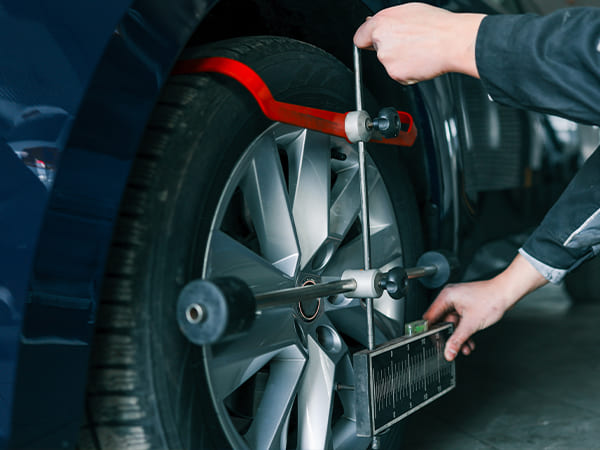
What is Wheel Alignment?
At its core, wheel alignment refers to the adjustment of your vehicle’s suspension system, which connects the wheels to the rest of the car. Think of proper wheel alignment as getting your car’s “stance” just right. It makes sure your wheels are sitting at the perfect angle relative to your vehicle and the road. When this is spot-on, your tires grip the road beautifully, giving you better control, making your tires last way longer, and ultimately, keeping you safer on those Denver roads.
There are three main aspects of wheel alignment:
- Toe: Think of this as how your tires look if you were hovering above your car, specifically whether they’re angled slightly in or slightly out. Getting this alignment right is super important because it stops your tires from wearing out too fast and keeps your car driving perfectly straight, not pulling to one side.
- Camber: When you look at your wheel from the very front of your car, the angle you’re seeing is called the camber. If the top edge of your tire leans inward toward the engine, that’s “negative camber.” If it leans outward, away from the car, that’s “positive camber.” Getting this angle just right is crucial because it makes sure your tires wear out evenly and keeps your car feeling stable and safe on the road.
- Caster: The caster angle is all about the unseen tilt of your car’s steering axis. Think of it as the secret ingredient that keeps your steering smooth and helps your ride feel rock-solid and stable, especially when you’re cruising at highway speeds.
Why Proper Wheel Alignment is Crucial in Denver, CO
In Denver, with its mountain roads and variable weather, proper wheel alignment is crucial. Here are the key benefits for Denver drivers:
1. Improved Vehicle Handling and Safety
Proper alignment ensures steady handling, vital for Denver’s winding roads. Misaligned wheels cause pulling and drifting, compromising control and safety.
2. Enhanced Tire Longevity
Alignment prevents uneven tire wear, extending tire life. This is especially important for handling Denver’s diverse road conditions, from snow to mountain terrain.
3. Better Fuel Efficiency
Misaligned wheels create drag, forcing the engine to work harder and increasing fuel consumption. Proper alignment helps Denver drivers save on high fuel costs.
4. Reduced Strain on Other Vehicle Components
Poor alignment strains the suspension and other components, leading to more frequent, costly repairs. Maintaining alignment is essential to prevent breakdowns in Denver’s harsh driving environment.
Signs That Your Vehicle Needs a Wheel Alignment
It’s important to recognize the signs that your vehicle’s wheel alignment is off. Here are some common indicators:
| Sign | Description |
| Steering Pulls | Cars pull to one side or the other when driving on a flat road, indicating misalignment. |
| Crooked Steering Wheel | The steering wheel is off-center while driving straight, suggesting alignment issues. |
| Uneven Tire Wear | Bald spots or uneven wear on tires, especially on one side, are signs of misalignment. |
| Vibrations | Unusual vibrations in the steering wheel can indicate that the wheels are unbalanced due to misalignment. |
| Squealing Tires | Misalignment causes uneven tire wear, which can result in squealing noises while driving. |
If you notice any of these signs, it’s time to have your alignment checked by a professional to prevent further damage.
How Does Denver’s Terrain Affect Wheel Alignment?
Denver’s unique geography and weather can take a toll on your vehicle’s alignment. From high altitudes to extreme temperature changes, here’s how the local environment impacts your car’s alignment:
1. Mountainous Terrain and Rough Roads
Denver’s proximity to the mountains means that drivers often navigate winding, bumpy, and unpaved roads. This can cause frequent jolts to your vehicle’s suspension system, leading to misalignment over time. If you regularly drive on rough or uneven surfaces, your car is more likely to experience alignment issues.
2. Winter Weather and Salt Exposure
The harsh winters in Denver often bring snow and ice, leading to the use of road salt to keep streets clear. This salt can accelerate corrosion on suspension components and even affect wheel alignment. Over time, exposure to these elements can wear out the suspension system, leading to alignment problems.
3. Temperature Fluctuations
Denver experiences significant temperature changes, which can affect the materials in your vehicle’s suspension system. For example, freezing temperatures can make the metal parts of the suspension more brittle, while hot summer temperatures can cause parts to expand, both of which could affect alignment over time.
How to Maintain Proper Wheel Alignment in Denver
Maintaining proper wheel alignment is relatively easy with the right care and routine maintenance. Here are a few tips:
- Regular Inspections: Have your alignment checked regularly, especially if you notice any symptoms of misalignment. It’s a good idea to get a wheel alignment inspection every 12,000 miles or once a year.
- Drive Carefully on Rough Terrain: Avoid driving over potholes, curbs, or other obstacles that can impact the suspension system. Be mindful of rough roads to reduce the risk of misalignment.
- Check Tire Pressure: Keeping your tires properly inflated can help prevent misalignment caused by uneven pressure.
- Get Professional Help: If you have a hunch that your alignment is off, don’t wait! Bring your vehicle to an expert mechanic right away. Getting it fixed promptly is the best way to prevent unnecessary wear and tear on your tires and suspension system.
Final Thoughts on Proper Wheel Alignment
Proper alignment stops your car from pulling and keeps your tires from wearing out. Mile High weather shifts fast and messes with your suspension. Keep an eye on your alignment so those rough city streets do not ruin your tires or your commute. Take care of your car by driving gently and fixing alignment issues as soon as they pop up. This habit keeps your ride smooth and keeps extra cash in your pocket.
If you’re noticing any signs of alignment issues or simply want to have your car’s alignment checked, Salta Automotive is here to help. Our expert technicians are ready to ensure your car’s wheels are perfectly aligned for a safer, more efficient drive.
FAQs: Wheel Alignment in Denver, CO
How often should I get my wheel alignment checked in Denver?
It’s a good idea to get your wheel alignment checked every 12,000 miles or once a year. If you notice uneven tire wear or your car pulling to one side, it’s time for an inspection.
Can Denver’s rough roads cause wheel misalignment?
Yes, driving on uneven roads, potholes, or mountain terrain in Denver can misalign your wheels. These conditions put extra strain on your vehicle’s suspension.
How do I know if my car needs a wheel alignment?
Look for signs like your car pulling to one side, uneven tire wear, a crooked steering wheel, or strange vibrations in the steering wheel. These are clear indicators of misalignment.
Will misalignment affect my gas mileage?
Yes, misalignment can lower your fuel efficiency. When your wheels aren’t aligned properly, it causes extra drag, making your car work harder and use more fuel.
Do I need new tires if my wheels are misaligned?
Not always. You can fix wheel misalignment without replacing tires. However, if misalignment has caused uneven tire wear, you may need new tires for safety and better performance.