
Keeping your vehicle in top condition in Denver’s unique climate and altitude requires more than just following a generic maintenance schedule. Between high altitude effects, dramatic temperature swings, and winter road conditions, cars here face stresses that drivers in other parts of the country rarely encounter. Regular and thoughtful car maintenance can prevent costly repairs, improve safety, and extend your vehicle’s lifespan. Below is a comprehensive, data‑backed guide tailored to drivers in the Mile‑High City.
Why Car Maintenance in Denver Demands Extra Attention
Denver sits at about 5,280 feet above sea level, and that elevation affects vehicle performance and maintenance needs. Thinner air at altitude reduces engine power and can impact everything from fuel delivery to tire pressure. According to industry discussions, reduced air density means engines may work harder to produce power and tire pressure can fluctuate as atmospheric conditions change — impacts drivers should monitor closely.
Combine this with the city’s **dramatic seasonal changes — hot summers, cold winters, and rapid temperature swings — and your car experiences stresses that make proactive maintenance vital.
Establish a Scheduled Maintenance Routine
Following your vehicle manufacturer’s maintenance schedule is essential, but Denver conditions often warrant slightly more frequent checks — especially before and after winter. Scheduled maintenance helps detect minor problems before they turn into major repairs, improves fuel efficiency, and enhances overall safety.
Key routine services should include:
- Oil & filter changes — keeping lubricants fresh to reduce engine wear
- Brake system inspections — essential for mountain and winter driving
- Tire rotation & balancing — to promote even wear and safety
- Fluid level checks — including coolant, transmission, and brake fluids
- Battery health checks — particularly before winter months
Monitor and Maintain Proper Tire Care
Tire pressure and tread quality are critical for safe driving in Denver’s elevation and temperature range. Because atmospheric pressure decreases with altitude, tire pressure can change more dramatically than at sea level — potentially leading to under‑inflation, poor fuel economy, and uneven tread wear if not regularly checked.
Best practices for tire care:
- Check your tire pressure monthly and right before a long trip.
- Inspect tread depth and wear patterns
- Rotate tires every 5,000–7,500 miles
- Consider winter or all‑season tires for snowy months
Proper tire maintenance helps with fuel efficiency, traction on icy roads, and overall handling safety.
Stay Ahead of Engine Wear with Regular Oil Changes
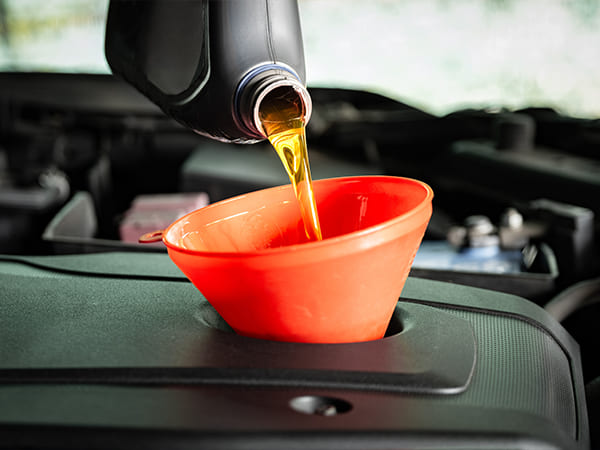
Oil lubricates critical engine components, helps reduce heat and clears out contaminants. In Denver — where winter cold and stop‑and‑go summer traffic are common — sticking to recommended oil change intervals is especially important. Typical guidance suggests oil changes every 5,000–7,500 miles for most vehicles, but driving habits and climate stressors could justify adjustments.
Oil change tips:
- Use the oil type recommended in your owner’s manual
- Consider synthetic oils for better cold‑start performance
- Replace oil filters with every oil change
- Consult a professional if you do frequent short trips or heavy towing
Check and Replace Filters Regularly
Filters protect your engine and cabin from dust, pollen, and debris — especially important in Denver’s dry climate and high altitude. Regularly inspect and replace:
- Air filters — ensure efficient engine airflow
- Cabin filters — maintain cabin air quality
- Fuel filters — protect fuel systems from contaminants
Clean filters enhance engine performance, fuel economy, and overall driving comfort.
Inspect Brakes and Suspension Components
Colorado’s mountain roads demand a lot from your brake system. Steep grades and winter conditions increase the wear on brake pads and rotors, so regular inspections — ideally before winter and summer peak seasons — are critical.
Brake maintenance checklist:
- Measure brake pad thickness
- Test brake fluid condition
- Check rotors for grooves or warping
- Listen for unusual noises during braking
Early detection of wear helps avoid costly repairs and ensures safe stopping distances in varied road conditions.
Prepare Fluid Systems for Seasonal Extremes
Fluids like coolant, brake fluid, and transmission fluid are just as important as oil. In Denver’s seasonal climate:
- Coolant must be strong enough to prevent freezing in winter and protect against overheating in summer
- Brake fluid and transmission fluid should be checked and replaced according to manufacturer specs
Maintaining optimal fluid levels and condition helps prevent corrosion and component breakdowns under temperature stress.
Don’t Ignore the Battery and Electrical System
Cold temperatures in Denver winters can significantly reduce battery power, leading to starting trouble — especially if your battery is already a few years old. Test your battery annually and clean corrosion from terminals. If your battery is older than 3‑4 years, consider replacement before winter arrives.
Listen to Your Car: Early Warning Signs Matter
Many serious problems announce themselves early, if you know what to listen for. Pay attention to:
- Dashboard warning lights
- Strange noises (grinding, squealing, clunking)
- Vibrations or pulling during braking
- Engine performance changes
Addressing these early can prevent breakdowns and expensive repairs down the road.
Keep Detailed Maintenance Records
A maintenance log not only helps you track what’s been done and what’s coming up next — it can also improve resale value. Prospective buyers value vehicles with complete service histories because it shows consistent care, helps verify mileage, and reduces uncertainty about future repairs.
Seasonal and Special Considerations
Denver’s climate calls for seasonal maintenance adjustments:
- Before winter — check antifreeze, tire tread, heating system, and battery
- Before summer — inspect cooling system, air conditioning, and belts/hoses
Seasonal prep keeps your car reliable no matter what Mother Nature throws at you.
Keep Your Vehicle Road-Ready in Denver’s Tough Conditions
Adopting these essential car maintenance practices — tailored to Denver’s altitude, weather, and daily driving conditions — will help keep your vehicle reliable, safe, and efficient for years to come. Whether you’re commuting along I‑25, navigating snowy passes, or heading out for summer mountain adventures, regular maintenance is the key to worry‑free driving.
For dependable service and personalized maintenance planning in Denver, trust the team at Salta Automotive to keep your car performing at its best.
Ready for a professional maintenance check that suits Denver driving conditions? Contact Salta Automotive today to schedule your next service and keep your vehicle running reliably all year long.
Frequently Asked Questions About Car Maintenance in Denver, CO
How often should I change my oil in Denver, CO?
In Denver’s climate, most drivers benefit from oil changes every 5,000 to 7,500 miles, especially if using synthetic oil. Short trips, winter idling, or towing may require more frequent service.
Does Denver’s altitude affect car maintenance?
Yes. High altitude impacts engine power, tire pressure, and fluid performance. Regular inspections help adjust for the thinner air and temperature shifts.
What type of oil is best for Colorado winters?
Full synthetic oil, such as 0W-20 or 5W-30, performs better in cold starts and protects engines during freezing temperatures common in Denver.
Should I rotate my tires more often in Denver?
Yes. Tire wear can be uneven due to road salt, potholes, and mountain driving. Rotate every 5,000 to 7,500 miles for better traction and tire life.
How can I tell if my brakes need servicing?
Listen for squealing, grinding, or vibration when braking. These are early signs that pads or rotors may need attention — especially after driving mountain roads.