
As automotive technology continues to evolve, so do the methods used to diagnose and repair car engines. Gone are the days of relying on basic visual inspections or guessing games to figure out what’s wrong with an engine. Thanks to cutting‑edge engine scanners, mechanics now pinpoint faults with a blend of razor‑sharp accuracy and swift turnaround, making repairs smoother for everyone. Drivers living in Denver, CO, regularly deal with harsh weather, lofty elevations, and rolling terrain that test any automobile. Recent progressions are now allowing those cars to work more efficiently and protectively.
In this post we’ll break down how cutting‑edge engine diagnostic tools function, what they mean for drivers in Denver, and the way they’re reshaping auto repair.
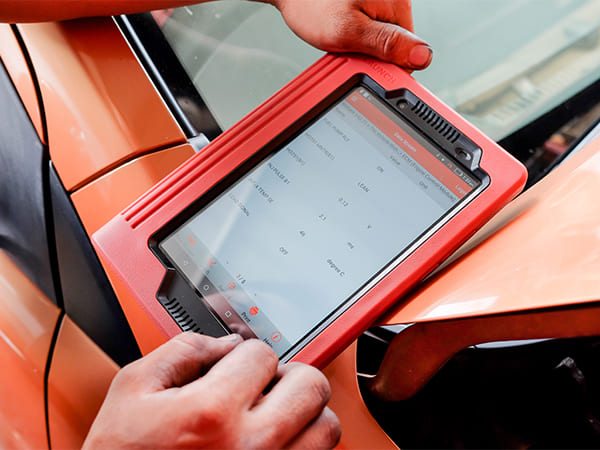
What Are Advanced Engine Diagnostic Technologies?
Advanced engine diagnostic technologies refer to a set of sophisticated tools and systems that allow automotive technicians to scan and analyze a vehicle’s engine in real-time. These systems gather data from various engine sensors, computer systems, and onboard diagnostics (OBD) to detect and troubleshoot problems efficiently.
Key Diagnostic Tools:
- OBD-II Scanners:
- OBD-II technology lets a mechanic or DIY enthusiast talk to the car’s computer and pull trouble codes. By scanning fault codes, these devices hand you a clear picture of how the engine runs, what the sensors report, and the emission levels, plus additional insights.
- OBD-II technology lets a mechanic or DIY enthusiast talk to the car’s computer and pull trouble codes. By scanning fault codes, these devices hand you a clear picture of how the engine runs, what the sensors report, and the emission levels, plus additional insights.
- Engine Diagnostic Software:
- By examining information pulled from the OBD-II scanner, this tool gives the technician practical advice. By using it you retrieve up‑to‑the‑second data, check sensor status, and conduct thorough diagnostic analysis.
- By examining information pulled from the OBD-II scanner, this tool gives the technician practical advice. By using it you retrieve up‑to‑the‑second data, check sensor status, and conduct thorough diagnostic analysis.
- Pressure Testers:
- These tools measure the pressure within engine components, such as cylinders, fuel systems, and cooling systems, to identify leaks or malfunctions.
- These tools measure the pressure within engine components, such as cylinders, fuel systems, and cooling systems, to identify leaks or malfunctions.
- Thermal Imaging Cameras:
- Thermal cameras allow technicians to see temperature variations in the engine, which can be helpful in diagnosing overheating or inefficient cooling systems.
- Thermal cameras allow technicians to see temperature variations in the engine, which can be helpful in diagnosing overheating or inefficient cooling systems.
- Endoscopic Cameras:
- Also known as borescopes, these cameras allow mechanics to look inside hard-to-reach engine areas without disassembling components.
How Advanced Diagnostics Are Revolutionizing Car Repairs in Denver, CO
Think about a sudden summer thunderstorm followed by a rapid drop to near‑freezing temps at 5,200 feet, those swings can stress a car’s engine and turn a routine service into a time‑consuming puzzle. Relying on guesswork and lengthy test cycles, classic diagnostic approaches frequently extended downtime and drove up repair expenses. Thanks to modern diagnostic equipment, Denver mechanics finish repairs quicker, more precisely, and for less money.
Denver’s challenging driving conditions—high altitude, hilly terrain, and unpredictable weather—can strain vehicle engines, making repairs more complicated. Cutting‑edge scanners are reshaping Denver’s auto repair shops, delivering quicker turn‑around, pinpoint diagnostics and lower bills for drivers.
1. Faster and More Accurate Diagnoses
Advanced diagnostics provide quick, precise identification of engine issues. Using tools like OBD-II scanners, technicians can instantly pinpoint problems such as sensor malfunctions or engine misfires. This eliminates guesswork, reduces repair time, and minimizes the amount of downtime your vehicle experiences.
2. Improved Efficiency for Denver Drivers
If you commute through Denver’s altitude laden routes, a healthy engine can make the difference between sipping gasoline and facing a costly repair on a steep climb. By using modern diagnostic equipment, you can watch sensor data for fuel pressure, temperature and oxygen levels in real time. Catching sensor problems early keeps the engine smooth, saves gas, and spares you costly repairs.
3. Cost Savings on Repairs
Advanced diagnostics prevent unnecessary repairs by accurately pinpointing the issue right away. By catching small issues before they escalate into expensive repairs, these tools help reduce overall repair costs. For Denver residents, this means better savings, especially given the harsh driving conditions.
4. Emissions Testing and Compliance
Advanced diagnostics help ensure your vehicle meets Denver’s strict emissions standards. OBD-II scanners allow mechanics to check the emissions system, ensuring it’s functioning correctly and preventing failed emissions tests. This is crucial in Denver’s high-altitude environment, where engine performance can affect emissions.
5. Preventive Maintenance
Think of advanced diagnostics as a health check for your car: it measures everything from tire pressure to sensor readings, alerting you to small glitches before they turn into big headaches. Monitoring parts such as fuel injectors and spark plugs lets mechanics head off surprise failures and keep your vehicle humming, even when Denver’s roads get tough.
Real-World Case Study: Advanced Diagnostics in Action
Consider the case of Mark, a Denver resident who noticed his vehicle was experiencing reduced fuel efficiency and rough idling. He brought his car into the shop, where the technician performed a comprehensive scan using an OBD-II scanner. The diagnostic tool revealed a misfire in one of the engine’s cylinders, which was caused by a malfunctioning spark plug.
Without advanced diagnostics, the issue might have gone unnoticed for a while, leading to further engine strain and higher fuel consumption. However, thanks to the quick identification of the issue, the spark plug was replaced, and Mark’s car returned to optimal performance in just a few hours. He not only saved money on potential engine repairs but also improved his vehicle’s fuel efficiency.
Benefits of Advanced Engine Diagnostics
1. Reduced Downtime
With advanced diagnostics, issues can be identified and fixed faster, minimizing the amount of time your vehicle is in the shop. This is particularly important for Denver drivers who rely on their vehicles for daily commuting and outdoor activities.
2. Accurate Problem Identification
Advanced diagnostics take the guesswork out of engine repairs. Technicians can provide precise answers about what’s wrong with your vehicle, ensuring repairs are done right the first time.
3. Extended Vehicle Lifespan
By catching problems early and addressing them before they lead to severe damage, advanced diagnostic tools help extend the lifespan of your vehicle. This is especially important for those who drive in harsh conditions like Denver’s high-altitude terrain.
4. Improved Fuel Economy
With real-time diagnostics and performance monitoring, vehicles can run more efficiently, improving fuel economy and reducing the need for frequent refueling.
5. Better Compliance with Emissions Regulations
Advanced diagnostics help ensure that your vehicle complies with emissions standards, reducing the chances of failing emissions tests and contributing to a cleaner environment.
Stay Ahead with Advanced Engine Diagnostics
In Denver, where driving conditions can be harsh on vehicles, staying on top of engine maintenance is crucial. Advanced engine diagnostic technologies are transforming how mechanics identify and resolve engine issues, leading to faster, more accurate repairs and better vehicle performance.
For top-quality diagnostics and repair services, trust Salta Automotive. Our advanced tools and expert technicians are ready to ensure your vehicle runs smoothly, efficiently, and safely. Schedule your diagnostic appointment today and keep your car in prime condition!
FAQs
How does an OBD-II scanner work?
An OBD-II scanner interfaces with your vehicle’s onboard computer to retrieve error codes and diagnostic data related to engine performance, sensors, and emissions systems..
How long does an engine diagnostic take?
Engine diagnostics typically take 30 minutes to an hour, depending on the complexity of the issue and the tools used.
Can I perform engine diagnostics on my own?
While basic OBD-II scanners are available for purchase, professional diagnostic tools and expertise are often required for more complex engine issues.
How much do advanced engine diagnostics cost in Denver?
The cost of engine diagnostics in Denver can range from $50 to $150, depending on the diagnostic tools used and the extent of the analysis.
Are advanced engine diagnostics suitable for all vehicles?
Yes, advanced engine diagnostics are compatible with most modern vehicles, including those built after 1996 that support the OBD-II protocol.