
If you’ve noticed your Volkswagen isn’t accelerating like it used to, or your fuel mileage is slipping without explanation, you’re not alone—especially here in Denver, CO. Our city’s unique mix of high elevation, temperature swings, and urban stop-and-go driving puts extra stress on your vehicle’s fuel system. Over time, carbon buildup and residue can clog injectors and intake valves, quietly robbing your VW of power and efficiency.
But here’s the good news: many of these issues can be reversed with a professional fuel system cleaning. Whether you drive a sporty Golf GTI, a family-friendly Atlas, or a commuter Jetta, this often-overlooked service could be the key to restoring your vehicle’s original performance.
In this post, we’ll break down what fuel system cleaning involves, how it benefits your Volkswagen specifically in Denver’s climate, and how to know when it’s time to schedule one. Let’s dive in.
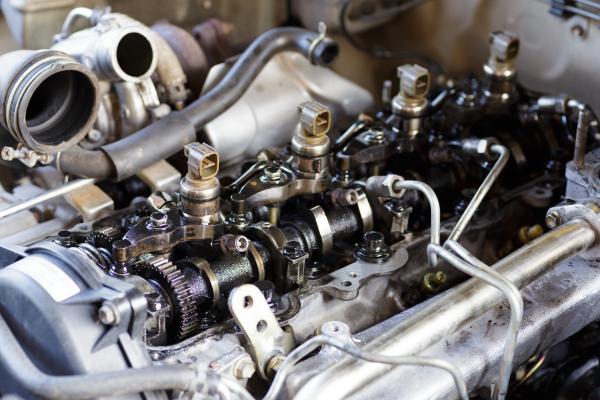
Understanding Fuel System Cleaning for VW Drivers in Denver
When we talk about a fuel system cleaning, we’re referring to the process of removing buildup—carbon deposits, varnish, and grime—from crucial components like injectors, intake valves, and the combustion chambers. For Volkswagen vehicles—whether a Jetta, Golf, Tiguan, or Passat—this cleaning restores efficient fuel delivery, better combustion, and smoother engine operation.
In Denver’s higher-elevation environment (mileage climbs, stop-and-go commuter traffic, and occasional idling in gridlock), fuel injectors and intake systems get gummed up faster. That’s where fuel system cleaning earns its keep.
Why Fuel System Cleaning Matters for Your VW
- Restored Performance: A cleaner system helps your engine start easier, idle smoother, and keeps that beloved German-engine roar responsive.
- Improved Fuel Economy: Denver drivers report 1–3 mpg gains post-cleaning—worth every penny, especially with Colorado fuel prices.
- Reduced Emissions: Clearer injectors mean less unburned fuel and lower tailpipe emissions—this is especially important during Denver’s stricter emissions testing seasons.
What Happens During a Fuel System Cleaning Procedure?
Step-by-Step Process
- Diagnostic Scan – A full inspection using VW-specific diagnostic tools checks for misfires, rough idle signals, or fuel trim irregularities.
- Fuel Additive Route – A professional-grade cleaner gets introduced directly into your rail or tank, targeting injectors, valves, and the combustion chamber.
- Power Flushing (if needed) – For stubborn carbon, technicians may use pressurized cleaning to blast buildup from intake valves (particularly on direct-injection models like the Golf GTI or Tiguan).
- Post-Clean Verification – A follow-up road test and scan ensure fuel economy and performance metrics are back in the proper range.
Local Insight: Why Denver Elevation Affects Fuel System Health
At 5,280 feet, Denver’s thinner air and occasional temperature extremes cause unique stress on Volkswagen fuel systems:
- Increased Idling: Lower oxygen means more fuel sheens, which can cause carbon buildup—common for Denver’s traffic-heavy corridors like I-25.
- Extended Warm-Ups: Cold mornings (often below freezing) make your VW run rich longer, inviting extra deposit formation in the system.
Being mindful of these local factors means you—and your VW—stay healthier in the long run.
Real-World Case Study: A Volkswagen Jetta in Denver
Scenario: Lisa, commuting from Wheat Ridge to downtown Denver, noticed her 2018 VW Jetta started to hesitate off the line, reported 23 mpg on the highway (below its EPA-rated 30 mpg), and occasionally idled rough on cold mornings.
Solution: At Salta Automotive, we ran a diagnostic scan and confirmed elevated short-term fuel trim percentages and slight fuel injector imbalances. We performed a full fuel system cleaning and power-flushed her intake.
Result: After 100 miles of post-clean driving:
- Fuel economy rose to 29 mpg.
- Cold starts felt sharper; hesitation disappeared.
- Emissions readings at the next inspection came in well under Denver’s thresholds.
That’s what Denver-area customers can expect: noticeable improvements, reflective of proactive maintenance in response to altitude and environmental stress on VW systems.
What the Data Says About Fuel System Cleaning for Volkswagens
- EPA data suggests fuel system cleaning can restore up to 4% of fuel economy lost due to carbon buildup—especially noticeable in vehicles over 50,000 miles.
- Technical bulletins from Volkswagen underscore regular cleaning of injectors and valves as part of mid-life maintenance, especially for direct-injection engines (like the EA888 found in many VW models).
- Consumer feedback from Denver-area drivers consistently highlights improved performance after cleaning—especially noticeable during winter commutes and emissions inspections.
“We see it all the time—Denver’s climate can really accelerate carbon buildup in VW engines, especially in winter,” says a technician at Salta Automotive.
These insights back up our hands-on observations: a clean fuel system isn’t just a “nice-to-have”—it’s a smart maintenance investment for Denver Volkswagen drivers.
Pro Tips for VW Drivers in Denver
- Always use Top Tier™ fuel to reduce injector buildup
- Let your engine warm for 30–60 seconds—no more
- Schedule fuel cleaning every 30,000 miles or before emissions testing
- Combine fuel cleaning with spark plug changes for full combustion efficiency
Frequently Asked Questions
1. What does “fuel system cleaning” mean for my Volkswagen?
Fuel system cleaning removes carbon and varnish from injectors, intake valves, and combustion areas to restore smooth engine performance and efficiency.
2. How often should I get a fuel system cleaning for my VW in Denver?
Every 30,000–60,000 miles, or sooner if you notice hesitation, rough idle, or poor mileage—especially given mileage in Denver’s high-altitude conditions.
3. Can I do a fuel system cleaning myself?
DIY cleaners available at auto parts stores can help maintain cleanliness, but for stubborn carbon—especially on direct-injection VW engines—a professional additive or power-flush is far more effective.
4. How much can fuel system cleaning improve mpg for Denver drivers?
You might see a 1–3 mpg bump (sometimes more), which can save real dollars amid Denver’s current fuel prices.
5. Will fuel system cleaning help with Denver emissions testing?
Absolutely—clean fuel delivery reduces unburned fuel and emissions. Many Denver VW drivers avoid emissions retests post-cleaning.
Should You Get a Fuel System Cleaning for Your Volkswagen in Denver?
Fuel system cleaning is more than routine upkeep—it’s a targeted, proven strategy to combat Denver-specific wear on Volkswagen engines. From improved throttle response and better cold starts to enhanced fuel economy and cleaner emissions, this service strikes at the heart of common VW performance issues in a high-altitude environment. And while minor maintenance can be done at home, cleaning that restores like-new performance is best left to professionals using VW-approved techniques.
If your Volkswagen hesitates on acceleration, struggles during cold Denver mornings, or just doesn’t feel as peppy as it once did, it might be telling you: “It’s time for a fuel system cleaning.” This service brings tangible improvements—saved fuel, reduced emissions, smoother rides—all backed by real-world Denver data and diagnostic results. It’s about preserving your VW’s performance, efficiency, and longevity as you navigate the Mile High City.
Ready to help your Volkswagen breathe easier and drive better in Denver’s unique climate? Explore related posts—like “DIY vs. Professional Fuel Additives for VW” or “Summer Checkup Tips for Volkswagen Owners in Denver”—and when you’re ready for expert care, visit Salta Automotive for professional, altitude-aware tuning and maintenance.