
There’s nothing worse than a Volkswagen AC that blows warm air on a hot Denver afternoon. From commuting on I-25 to road-tripping into the Rockies, your air conditioning is more than just a comfort—it’s a safety feature. If your VW’s AC is underperforming, it may be time for professional inspection and repair. This guide explains common AC problems, the repair process, costs, and what Denver drivers should know.
Even in spring and fall, when Denver’s weather can swing from chilly mornings to 80°F afternoons, a working AC system makes daily driving more comfortable. Because of the city’s elevation and climate, Volkswagen air conditioning systems often face more strain here than in milder regions, making timely maintenance especially important.
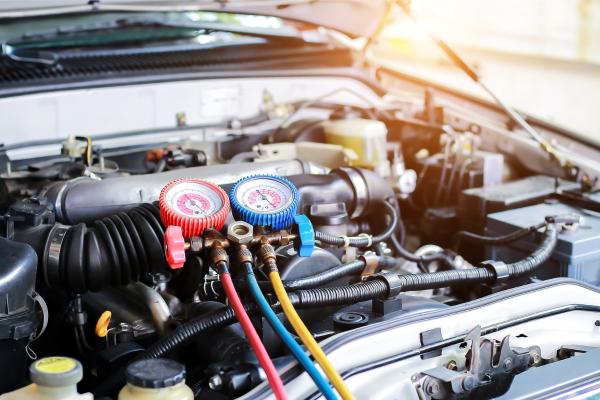
What Does the VW AC System Do?
What does a VW AC system do? It cools and dehumidifies cabin air, keeping your Volkswagen comfortable in Denver’s hot summers.
The AC system cools cabin air, removes humidity, and keeps your drives comfortable. It’s made of several key parts:
- Compressor: Pressurizes refrigerant and circulates it through the system.
- Condenser: Releases heat outside the car.
- Evaporator: Absorbs heat from inside the cabin.
- Expansion valve/orifice tube: Controls refrigerant flow.
- Blower motor and cabin filter: Distribute cooled air through vents.
Common Signs Your VW Needs AC Repair in Denver
- Warm air from vents: Often caused by low refrigerant or a failing compressor.
- Weak airflow: May signal a clogged cabin filter or failing blower motor.
- Strange noises: Clicking, grinding, or squealing can mean compressor or belt problems.
- Bad odors: Mold or bacteria in the evaporator or cabin filter.
- AC cycles on and off: Could indicate low refrigerant, electrical faults, or sensor issues.
Why AC Problems Are Common in Denver
Denver’s climate creates unique challenges for AC systems:
- High elevation: Compressors work harder at altitude to regulate pressure.
- Dry air: Dust and debris clog filters faster.
- Hot summers and cold winters: Temperature swings stress AC seals and hoses.
- Stop-and-go traffic: Frequent idling reduces AC efficiency, especially on hot city streets.
The VW AC Repair Process
- Inspection and testing: Technicians check refrigerant levels, compressor operation, and cooling output.
- Leak detection: UV dye or electronic sniffers help locate refrigerant leaks in hoses, seals, or the condenser.
- Component repair or replacement: Worn compressors, condensers, or blower motors may be swapped for new parts.
- System recharge: Refrigerant is refilled to factory specifications.
- Cabin air quality check: Filters are inspected and replaced if needed.
- Final performance test: Ensures cold, consistent airflow before returning the VW to the driver.
Benefits of Timely VW AC Repair
Addressing AC problems early does more than just restore comfort—it prevents small issues from turning into expensive repairs. Regular service also improves daily driving quality and keeps your VW performing at its best in Denver’s challenging climate.
- Comfort: Reliable cooling for Denver commutes and summer road trips.
- Air quality: Clean filters reduce allergens and dust.
- Prevent further damage: Catching leaks early prevents compressor failure, which is costly.
- Resale value: A fully functional AC system helps maintain your VW’s value.
- Safety: AC also defogs windows quickly during sudden mountain rainstorms.
VW Jetta AC Repair in Aurora, CO
Situation: Mark’s 2016 VW Jetta blew warm air during his daily commute from Aurora to downtown Denver.
Diagnosis: The shop found a small refrigerant leak at the condenser, likely worsened by road debris from Colfax Ave.
Repair: The condenser was replaced, the system recharged, and the cabin filter changed.
Result: Mark’s AC blew ice-cold air again, and his fuel efficiency even improved slightly because the compressor no longer overworked.
Lesson: Small leaks can strain the entire AC system if ignored, leading to higher costs later.
Data Insights: Volkswagen AC Wear in Colorado
- Denver summers: Average highs often exceed 90°F, pushing VW AC systems to their limits, especially during stop-and-go traffic.
- EPA data: Refrigerant leaks are among the most common causes of AC inefficiency nationwide, and Colorado’s dusty roads can worsen seal wear.
- AAA Colorado: Recommends annual AC system checks before summer to avoid breakdowns, especially for drivers commuting daily across the Front Range.
- Altitude factor: At 5,280 feet, compressors work harder, which accelerates wear compared to sea-level driving.
Cost of Volkswagen AC Repair in Denver
Before committing to repairs, most VW owners want to know what to expect financially. Costs can vary widely depending on whether your issue is a simple recharge, a clogged cabin filter, or a major compressor replacement. Here’s a breakdown of common repair costs in Denver:
| Repair Type | Average Cost (Parts + Labor) | Notes |
| AC recharge (refrigerant) | $150 – $250 | Often first step for weak cooling |
| Cabin air filter replacement | $50 – $100 | Should be replaced annually |
| Compressor replacement | $800 – $1,500 | Most expensive repair |
| Condenser replacement | $500 – $900 | Common from road debris damage |
| Blower motor replacement | $300 – $600 | Fixes weak airflow issues |
Costs vary by VW model (Jetta, Passat, Tiguan, Atlas) and whether OEM or aftermarket parts are used.
FAQs: VW AC Repair in Denver
1. Why is my VW AC blowing warm air in Denver?
Low refrigerant, leaks, or a failing compressor are the most common causes.
2. How often should VW AC be serviced in Denver?
At least once a year before summer. Denver’s heat and dust require regular checks.
3. Can Denver’s altitude affect VW AC performance?
Yes. Compressors work harder at 5,280 feet, making issues more noticeable.
4. How do I know if my VW AC has a refrigerant leak?
Weak cooling, oily residue near AC lines, or hissing sounds may indicate a leak.
5. How much does VW AC repair cost in Denver?
Simple fixes like recharges may cost $150–$250, while compressor replacement can exceed $1,000.
Staying Cool with VW AC Repair in Denver
A failing AC system isn’t just inconvenient—it can affect comfort, safety, and long-term vehicle health. By recognizing early signs, keeping up with seasonal inspections, and addressing problems quickly, Denver VW owners can avoid costly breakdowns and enjoy reliable cooling all year.Curious about more VW care tips for Colorado driving? Explore our guides on preparing your Volkswagen for winter, brake service at altitude, and emissions readiness in Denver. For expert Volkswagen AC repair in Denver, trust the specialists at Salta Automotive to keep your car cool, safe, and road-ready.