
Changing your Volkswagen’s oil is one of the most important steps to keeping your engine healthy. But in Denver, with its unique mix of high altitude, dry climate, and shifting temperatures, the right oil change interval may not be the same as the one listed in your VW owner’s manual. In this guide, we’ll cover how often you should change your oil, why Denver conditions matter, and what local VW owners can expect when maintaining their cars.
Many Denver drivers underestimate how much local conditions can affect oil life. From stop-and-go traffic downtown to long climbs into the Rockies, your VW’s engine has to adapt constantly. Tailoring your oil change interval to these conditions is the best way to protect your car’s longevity.
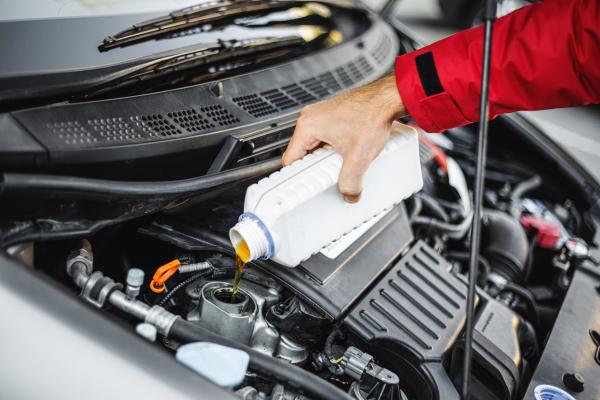
What an Oil Change Does for Your VW Engine
What does an oil change do for a VW? It lubricates the engine, reduces friction, prevents overheating, and extends engine life. An oil change replaces old, contaminated oil with fresh VW-approved synthetic oil. This is vital because engine oil performs several key functions:
- Lubricates moving parts to reduce friction.
- Regulates temperature by carrying heat away from the engine.
- Prevents buildup by suspending dirt, metal particles, and carbon deposits.
- Protects engine seals and gaskets from drying out.
Standard VW Oil Change Intervals
Volkswagen recommends oil changes every 10,000 miles or 12 months, whichever comes first, for most modern VWs using synthetic oil. However, that’s a general guideline—and it doesn’t always apply to Denver’s conditions.
- Older VWs (pre-2004): May need oil changes every 5,000 miles due to conventional oil use.
- Turbocharged engines (GTI, Tiguan, Passat 2.0T): Work harder at altitude and may benefit from 5,000–7,500 mile intervals.
- High-mileage VWs: Engines with 100K+ miles often need more frequent service to stay protected.
How Denver’s Climate Affects VW Oil Change Intervals
- High altitude (5,280 ft): Engines work harder to maintain power, which increases oil stress.
- Dry air: Dust and debris are more common, especially along Denver’s suburban roads and foothills.
- Temperature swings: It’s common to see 40°F differences in a single day, stressing oil viscosity.
- Winter cold starts: Cold mornings in Denver thicken oil, requiring high-quality synthetic to protect engines.
Local Example: A VW Tiguan that drives daily up I-70 into the mountains may need oil changes every 5,000 miles, while a VW Jetta used mostly for city commuting on Colfax could extend closer to 7,500.
Signs Your VW Needs an Oil Change Sooner
- Dark, gritty, or burnt-smelling oil on the dipstick.
- Oil warning light or “service due” alert on your dashboard.
- Louder-than-normal engine noise.
- Decreased fuel economy.
- Knocking or ticking sounds, especially when cold.
The VW Oil Change Process in Denver Shops
- Drain old oil completely: Used oil is removed from the engine to prevent contamination.
- Replace the oil filter: This keeps dirt and debris from re-entering the engine.
- Add fresh VW-approved synthetic oil: Using the correct spec (502.00, 504.00, or 507.00) is critical for performance and warranty protection.
- Inspect fluid levels and engine bay: Transmission, coolant, and brake fluids are checked during service.
- Check for leaks: Gaskets and seals are inspected to prevent slow oil loss.
- Reset the service light: Ensures the onboard system reminds you of your next oil change at the right time.
Benefits of Staying on Top of VW Oil Changes
- Protects your engine: Fresh oil minimizes wear on moving parts and prevents sludge buildup.
- Maximizes fuel efficiency: Clean oil reduces drag, giving better mileage in city and highway driving.
- Keeps emissions clean: A well-maintained engine runs more efficiently, which is key for passing Denver’s emissions tests.
- Prepares for all seasons: High-quality synthetic oil protects against cold-start wear in winter and overheating in summer climbs.
- Extends vehicle life: Consistent oil changes help VWs easily surpass 150,000 miles when combined with other regular maintenance.
VW Passat Oil Change in Littleton, CO
Situation: Sarah, a Littleton commuter, noticed her 2017 Passat 1.8T running louder during cold mornings.
Diagnosis: The oil had thickened and lost viscosity due to extended intervals and winter cold starts.
Repair: Fresh VW 502.00-approved synthetic oil was added, and the oil filter replaced.
Result: The engine quieted immediately, fuel economy improved, and Sarah adjusted her interval to 6,500 miles for Denver winters.
Lesson: In Denver’s climate, factory recommendations may need local adjustments.
Seasonal Oil Change Needs in Denver
Winter:
Cold starts in Denver winters can cause oil to thicken. VW-approved 0W-40 synthetic oil flows better in freezing temperatures, giving extra protection.
Summer:
High heat and mountain driving on I-70 accelerate oil oxidation, making 5,000–7,000 mile intervals safer.
Spring & Fall:
Dust, pollen, and wildfire smoke can contaminate oil faster, especially for VWs frequently driven in suburban and foothill areas.
Model-Specific VW Considerations
- VW Jetta & Passat (turbo engines): Turbocharged motors run hotter and stress oil more at altitude, so 5,000–6,000 mile intervals are often recommended.
- VW Tiguan & Atlas (SUVs): Heavier bodies and towing in mountain conditions increase strain on oil; shorter intervals maintain reliability.
- VW Golf & GTI: Popular performance models in Denver, spirited driving demands fresh oil more frequently to protect turbochargers and bearings.
Environmental & Legal Considerations in Denver
- Proper disposal required: Colorado law requires recycling of used oil; improper disposal can harm the South Platte River watershed.
- Shop accountability: Certified VW repair facilities in Denver ensure oil and filters are recycled responsibly, reducing environmental impact.
- Eco-friendly driving: Staying on top of oil changes improves fuel efficiency, lowering emissions and helping Denver meet air quality goals.
Oil Change Intervals in Colorado
- AAA Research: Frequent short trips and cold starts increase the need for more frequent oil changes.
- Denver’s Air Quality Index: Dust and pollution particles contribute to faster oil contamination.
- Volkswagen guidelines: While 10K miles is standard, VW acknowledges “severe driving conditions” (stop-and-go traffic, altitude, extreme cold/heat) may shorten intervals.
FAQs: VW Oil Change Intervals in Denver
1. How often should I change VW oil in Denver winters?
Every 5,000–7,000 miles is safer in cold-weather conditions.
2. Does high altitude affect VW oil change intervals?
Yes. Engines work harder, so oil changes should be more frequent than flatland driving.
3. Can I use any synthetic oil in my VW?
No. Always use VW-approved oil (502.00, 504.00, 507.00 specs).
4. Do short trips in Denver affect oil life?
Yes. Frequent short trips prevent oil from reaching full operating temperature, causing faster contamination.
5. How much does a VW oil change cost in Denver?
Typically $90–$140 depending on VW model and oil type.
Smarter VW Oil Change Intervals in Denver
In Denver’s unique climate, sticking strictly to factory oil change intervals may not be enough. Adjusting based on your driving habits—whether city commuting, mountain climbing, or winter starts—will keep your VW healthier for longer. Proactive oil changes improve performance, protect against costly damage, and help pass emissions with ease.Want to learn more about VW care in Colorado? Explore our related guides on preparing VWs for winter, Denver emissions requirements, and brake service at altitude. For expert Volkswagen oil change service in Denver, trust Salta Automotive to keep your VW running at its best.