
Your Volkswagen’s timing belt plays a critical role in engine performance. It synchronizes the crankshaft and camshaft, ensuring valves and pistons move in perfect harmony. Even a minor slip or break in the timing belt can lead to immediate and catastrophic internal engine damage.
For VW owners in Denver, timing belt replacement is not just a maintenance item—it’s essential protection against costly engine repairs. With Denver’s mix of cold winters, mountain driving, and city traffic, following the right replacement schedule can save you thousands of dollars down the road.
This guide explains Volkswagen timing belt replacement in Denver, covering replacement intervals, costs, the repair process, benefits, and real-world case studies—all designed to help you make informed maintenance decisions.
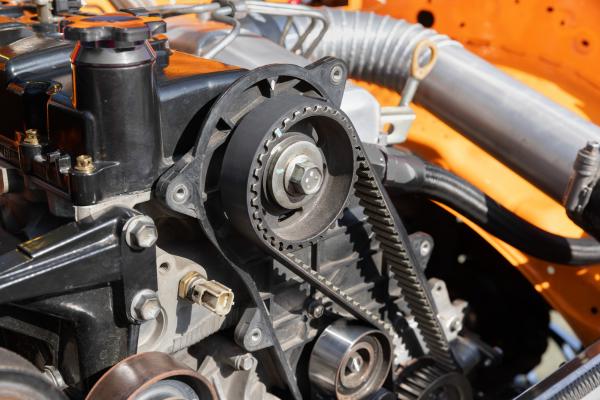
What Is a VW Timing Belt and Why Does It Need Replacement?
The timing belt is a strong rubber belt with teeth that ensures your engine parts stay in sync as they move. Over time, heat, age, and stress cause the belt to wear, crack, or stretch.
If the timing belt fails:
- Valves and pistons can collide, bending or breaking internal parts.
- Engine damage often requires a full rebuild or replacement, costing $3,000–$7,000.
That’s why Volkswagen recommends proactive timing belt replacement at specified mileage intervals instead of waiting for signs of failure.
VW Timing Belt Replacement Intervals for Denver Drivers
The exact replacement schedule depends on your VW model and engine type. Here are general guidelines for modern Volkswagen vehicles:
- Most VW 4-Cylinder Engines (Jetta, Passat, Golf, Beetle): Every 60,000–80,000 miles.
- VW 6-Cylinder Engines (Touareg, Atlas, Passat V6): Around 80,000–100,000 miles.
- TDI Diesel Models: Typically 80,000–120,000 miles, depending on year and engine.
In Denver’s climate, experts recommend replacing it closer to the lower end of these ranges because cold weather, frequent stop-and-go traffic, and mountain driving add extra stress to the belt.
The Process of Volkswagen Timing Belt Replacement in Denver
Replacing a timing belt is complex and requires brand-specific expertise. Here’s what the process typically involves at a Volkswagen repair shop in Denver:
- Inspection & Access: Mechanics remove engine covers and accessories to access the belt system.
- Removal of Old Belt: The worn belt, tensioner, and pulleys are carefully removed.
- Water Pump Replacement (Optional but Recommended): Since the water pump is usually belt-driven and sits in the same location, most shops replace it at the same time.
- New Timing Belt Installation: A factory-grade (OEM) belt, pulleys, and tensioner are installed and aligned with precision.
- Final Calibration & Testing: The engine is rotated by hand, checked for alignment, and test-driven to ensure smooth operation.
Because Volkswagen engines are interference engines, accuracy is critical—even a small misalignment can cause engine failure.
Benefits of Timely VW Timing Belt Replacement in Denver
Replacing your timing belt on schedule provides several key benefits:
- Avoid Catastrophic Engine Damage – A $900–$1,200 service prevents $5,000+ repair bills.
- Better Reliability in Denver Winters – Cold starts are easier with a healthy timing system.
- Improved Resale Value – Buyers in Denver’s used car market look for timing belt records.
- Peace of Mind for Mountain Driving – Confidence your VW won’t fail while climbing I-70 passes.
- Protects Related Components – New tensioners and water pump extend the overall system life.
Warning Signs Your VW Timing Belt Needs Replacement in Denver
Most timing belts don’t show obvious signs of failure until it’s too late, but there are subtle warnings Volkswagen owners in Denver should watch for:
- Ticking or Clicking Noise: A worn timing belt can produce a rhythmic ticking sound from the front of the engine.
- Engine Misfires or Rough Idling: If the belt slips, valves may open or close at the wrong time, causing misfires.
- Difficulty Starting in Cold Weather: Denver’s freezing mornings can make a weakened belt stiffer and harder to engage.
- Oil Leaks Near the Belt Cover: Leaking oil can cause premature wear by breaking down the belt’s rubber.
- Visible Wear or Cracks: On models where the belt can be inspected, frayed edges or cracks mean replacement is urgent.
If you notice these symptoms, don’t wait until the scheduled interval—schedule a diagnostic check immediately.
How Denver Driving Conditions Affect VW Timing Belt Lifespan
Volkswagen timing belts are designed for long service life, but Denver’s environment creates extra challenges:
- Cold Winters: Rubber belts harden and become brittle, especially during single-digit temperatures.
- Mountain Driving: Climbing I-70 or navigating steep passes puts higher load on the engine, which transfers extra stress to the belt.
- Stop-and-Go City Traffic: Frequent acceleration and deceleration in downtown Denver wears timing components faster than steady highway cruising.
- Altitude Impact: Engines at higher elevation work harder to produce power, increasing belt strain over time.
Because of these factors, many Denver VW specialists recommend replacing timing belts at the earlier end of the 60,000–100,000 mile range.
OEM vs. Aftermarket VW Timing Belts: What Denver Drivers Should Know
When replacing your VW timing belt, one of the biggest decisions is choosing between OEM (Original Equipment Manufacturer) and aftermarket parts.
- OEM Timing Belts
- Designed specifically for VW engines.
- Longer lifespan and better fit.
- Typically more expensive but safer for interference engines.
- Designed specifically for VW engines.
- Aftermarket Timing Belts
- Lower upfront cost.
- Quality can vary widely by manufacturer.
- May wear faster, leading to earlier replacements.
- Lower upfront cost.
For interference engines like Volkswagen’s, most Denver specialists recommend OEM or high-quality equivalent parts. Saving a few dollars upfront on an aftermarket belt can lead to thousands in repairs if the belt fails prematurely.
Real-World Case Studies of VW Timing Belt Replacement in Denver
Case 1: Proactive Maintenance Saves Thousands
A Denver driver with a 2015 VW Jetta replaced their timing belt at 75,000 miles. The technician also installed a new water pump and tensioner. The $1,050 investment gave the driver confidence for mountain road trips and prevented potential catastrophic damage.
Case 2: Ignoring Replacement Leads to Engine Failure
A 2012 VW Passat TDI owner ignored the 80,000-mile recommendation and drove until 105,000 miles. On a cold January morning, the timing belt snapped, bending several valves. The final repair bill: $4,800.
These examples highlight the difference between proactive replacement and costly neglect.
VW Timing Belt Replacement Costs and Supporting Data in Denver
- Average VW Timing Belt Replacement Cost in Denver: $900–$1,300 (includes belt, tensioner, pulleys, and labor).
- With Water Pump Replacement: $1,100–$1,500 (highly recommended).
- Dealership vs. Independent Shop Costs: Dealerships often charge 15–25% more due to higher labor rates.
- Labor Rates in Denver: $110–$160 per hour (AAA, 2023).
- Average Timing Belt Lifespan Nationwide: 60,000–100,000 miles, but Denver’s driving conditions may shorten it.
FAQs About VW Timing Belt Replacement in Denver
1. How much does VW timing belt replacement cost in Denver?
On average, VW timing belt replacement in Denver costs $900–$1,300, with water pump service bringing the total to $1,100–$1,500.
2. How often should I replace my VW timing belt in Denver?
Most Volkswagens require replacement every 60,000–100,000 miles. In Denver’s climate, it’s best to replace at the lower mileage range.
3. What happens if my VW timing belt breaks in Denver?
A broken timing belt can cause catastrophic engine damage, including bent valves and damaged pistons. Repairs often exceed $4,000–$6,000.
4. Can Denver’s altitude affect VW timing belt wear?
Indirectly, yes. Steep mountain driving increases engine load, which puts additional stress on the timing belt and related components.
5. Should I replace the water pump with the timing belt?
Yes. Since the water pump sits behind the same covers and is often driven by the belt, most Denver VW specialists recommend replacing both at once to save on labor costs.
VW Timing Belt Replacement Questions Denver Drivers Ask
“VW timing belt replacement near me in Denver—how much?”
Expect to pay $900–$1,300, or $1,100–$1,500 with a water pump.
“When should I replace my VW timing belt in Colorado?”
Most VW belts need replacement every 60,000–100,000 miles; sooner in Denver’s climate.
“What happens if I don’t replace my VW timing belt?”
Engine failure can occur, costing $4,000+ in repairs.
Protect Your Volkswagen with Timely Timing Belt Replacement in Denver
For Volkswagen drivers in Denver, timing belt replacement isn’t optional—it’s essential for long-term reliability. Denver’s cold starts, heavy traffic, and mountain drives put extra strain on your VW’s engine, making timely service even more important.
By replacing your timing belt at the recommended interval, you’ll avoid catastrophic engine failure, save money, and keep your VW ready for everything from downtown commutes to Rocky Mountain adventures.For more educational resources on Volkswagen and Audi maintenance in Denver, explore guides and insights from Salta Service & Performance—your trusted local partner in keeping German engineering performing at its best.