Volkswagen drivers in Denver know the importance of a smooth, responsive transmission. From navigating downtown traffic to climbing steep mountain passes, your VW’s transmission plays a vital role in performance and reliability. But when transmission problems appear, they can quickly turn into costly repairs if not addressed.
This guide explores the most common VW transmission issues in Denver, explains why they occur, highlights real-world cases, and provides practical tips for keeping your Volkswagen’s transmission healthy in Colorado’s unique driving conditions.
What Are Common VW Transmission Issues in Denver?
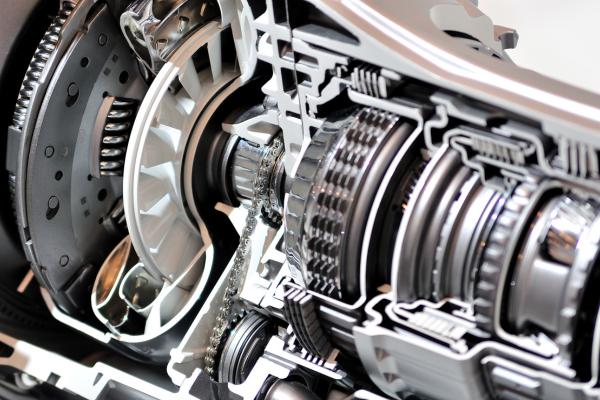
Volkswagen vehicles are known for their advanced engineering, but their transmissions—manual, automatic, and DSG (Direct-Shift Gearbox)—can develop problems over time. Here are the most frequently reported transmission issues by Denver drivers:
- Hard or Delayed Shifting: Hesitation or jerky movements when changing gears.
- Transmission Slipping: Engine revs increase, but the car doesn’t accelerate smoothly.
- Clutch Problems (Manual & DSG): Premature clutch wear is common, especially in city driving.
- Transmission Fluid Leaks: Often caused by worn seals or gaskets.
- Warning Lights: The transmission warning light may appear on the dashboard, signaling an internal fault.
- Failure in Extreme Weather: Cold Denver winters thicken transmission fluid, while hot summers accelerate wear.
These symptoms often start small but can worsen if ignored.
The Process of Diagnosing VW Transmission Problems in Denver
When you bring your Volkswagen to a Denver repair shop, the diagnostic process usually involves:
- Initial Inspection – Checking for leaks, fluid level, and visual damage.
- Computer Diagnostics – Volkswagen’s onboard system stores error codes, which can point directly to transmission faults.
- Road Test – Mechanics drive the car to replicate symptoms such as slipping, jerking, or delayed engagement.
- Fluid Analysis – Burnt or contaminated fluid indicates internal wear.
- Detailed Estimate – Repair shops break down labor, parts, and options (repair vs. replacement).
Denver’s VW specialists rely heavily on these steps because Volkswagen transmissions are complex and require brand-specific expertise.
Benefits of Early Transmission Repair for Volkswagen Owners
Delaying transmission repair often multiplies costs. Addressing issues early has clear advantages:
- Lower Costs – Fixing a fluid leak costs far less than replacing a full transmission.
- Improved Safety – Prevents sudden failures when merging or driving in mountain conditions.
- Longer Transmission Life – Proper fluid levels and timely clutch replacements extend lifespan.
- Better Driving Experience – Smooth shifting makes commuting and road trips far more enjoyable.
- Higher Resale Value – A well-maintained transmission boosts trade-in or resale value in Denver’s used car market.
Preventive Maintenance Tips for VW Transmissions in Denver
Catching transmission problems early is the best way to avoid costly repairs. While major work should always be handled by a Volkswagen specialist, there are several preventive steps Denver drivers can take at home or during regular maintenance:
- Check Transmission Fluid (When Accessible): Healthy transmission fluid should be reddish and clear. Dark, burnt-smelling, or gritty fluid may signal internal wear.
- Listen and Feel for Changes in Shifting: If you notice new jerks, hesitations, or slipping when shifting gears, schedule a diagnostic before the issue worsens.
- Warm Up in Cold Weather: On freezing Denver mornings, give your car a minute or two to circulate transmission fluid before driving. This reduces stress on seals and gears.
- Follow DSG Service Intervals: Volkswagen recommends DSG fluid and filter service every 40,000 miles. Skipping this service is one of the leading causes of premature transmission failure.
- Drive Smoothly in Traffic: Stop-and-go driving along I-25 or Colfax accelerates clutch wear. Easing into stops and starts helps extend transmission life.
By making these preventive checks part of your routine, you can extend the life of your VW transmission and avoid unexpected breakdowns.
Types of VW Transmissions and Their Common Problems
Different Volkswagen models use different transmission types, each with unique strengths—and potential issues. Knowing which one your car has can help you recognize symptoms early.
- Manual Transmissions
- Common in older VWs and some sporty models.
- Issues: Premature clutch wear in Denver’s heavy traffic, difficulty engaging gears, and worn synchros.
- Common in older VWs and some sporty models.
- Automatic Transmissions
- Smooth and convenient, but complex.
- Issues: Valve body failures, delayed shifting, and higher risk of overheating if fluid service is neglected.
- Smooth and convenient, but complex.
- DSG (Direct-Shift Gearbox) Transmissions
- Found in many modern VWs (Golf, GTI, Passat, Jetta). Offers quick, sporty shifts.
- Issues: Requires strict fluid change intervals (every 40k miles). Common problems include mechatronic unit failure, clutch pack wear, and hesitation during low-speed driving.
- Found in many modern VWs (Golf, GTI, Passat, Jetta). Offers quick, sporty shifts.
Each transmission type reacts differently to Denver’s altitude, climate, and traffic. For example, manual clutches wear faster in stop-and-go commutes, while DSGs are more sensitive to skipped fluid services.
Real-World Case Study: Volkswagen Drivers in Denver
Case 1: Proactive DSG Service Saves Thousands
A Denver driver with a 2016 VW GTI noticed slight hesitation between gears. They scheduled service, where mechanics found the DSG transmission fluid overdue for replacement. A $400 fluid service resolved the issue—avoiding potential repairs costing over $3,000.
Case 2: The Cost of Ignoring Warning Signs
A 2014 Passat owner ignored a flashing transmission light for several weeks. Eventually, the car stalled on I-25. Diagnosis revealed severe clutch pack damage, requiring a full transmission rebuild that cost nearly $5,500.
These stories highlight the difference between proactive maintenance and costly neglect.
VW Transmission Issues and Repair Costs in Denver
- Average Transmission Repair Costs (Denver): $1,500–$3,500 depending on severity.
- Transmission Replacement Costs (Denver): $3,500–$6,000 for most VW models.
- Labor Rates in Denver: $110–$160 per hour, slightly higher than the U.S. average (AAA).
- Frequency of DSG Issues: DSG clutches often require service around 40,000–60,000 miles in stop-and-go driving.
- Impact of Climate: AAA reports cold weather can reduce transmission performance by 20–30% until the fluid warms up.
FAQs About VW Transmission Issues in Denver
1. What are the signs of VW transmission failure in Denver?
Common signs include slipping gears, jerking shifts, transmission fluid leaks, and dashboard warning lights.
2. How much does it cost to fix a VW transmission in Denver?
Repair costs typically range from $1,500–$3,500, while replacements can cost $3,500–$6,000, depending on the model.
3. Can Denver’s altitude affect Volkswagen transmission performance?
Yes. High elevation impacts engine power, which in turn puts more stress on transmissions, especially when climbing hills or driving in the mountains.
4. How often should I service my VW DSG transmission in Denver?
Most experts recommend every 40,000 miles, though frequent Denver city driving may require shorter intervals.
5. Is it better to repair or replace a Volkswagen transmission in Denver?
It depends on severity. Minor issues (like leaks or fluid problems) can be repaired, but major internal damage often requires a full replacement.
Volkswagen Transmission Questions Denver Drivers Ask
“VW transmission repair near me in Denver—how much?”
VW transmission repairs in Denver average $1,500–$3,500, with replacements up to $6,000.
“Why is my VW transmission jerking in Denver traffic?”
Jerking gears may be caused by worn clutch packs or low transmission fluid.
“How long does a VW transmission last in Colorado?”
With proper maintenance, most VW transmissions last 150,000–200,000 miles.
Stay Ahead of VW Transmission Issues in Denver
Volkswagen transmission issues can be intimidating, but with early detection, proactive maintenance, and skilled repair, you can avoid the steep costs of major failures. Denver’s unique climate and driving conditions make timely service even more important.If you want to dive deeper into Volkswagen and Audi transmission care in Denver, explore more educational resources from Salta Service & Performance—your trusted partner in keeping German engineering running at its best.