
When it comes to keeping your German car running smoothly, the transmission is one of the most critical components. In a city like Denver, where the altitude and variable road conditions can put extra stress on your vehicle, regular transmission service is essential to avoid costly repairs and ensure smooth shifting. Whether you drive an Audi or Volkswagen, this guide will walk you through the importance of transmission service, how the process works, and why it’s especially crucial for German cars in Denver.
By the end of this article, you’ll understand what transmission service entails, the benefits of maintaining your transmission, and when you should seek professional help to keep your car performing at its best.
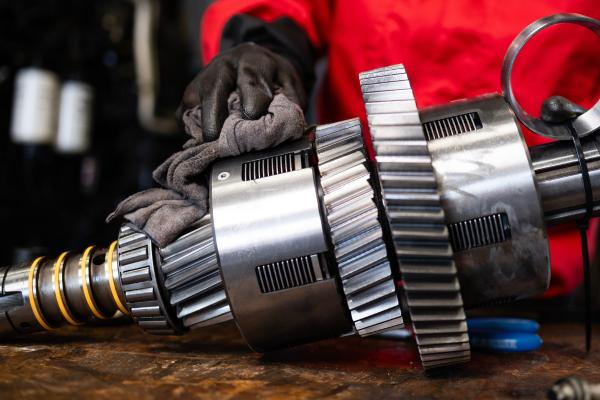
What Is Transmission Service and Why Does It Matter?
The transmission is one of the most complex parts of any vehicle. It is responsible for transferring the engine’s power to the wheels, ensuring that your car shifts gears smoothly and efficiently. Without a properly functioning transmission, your car wouldn’t be able to change gears, leading to poor performance, reduced fuel efficiency, and even complete breakdowns.
For German cars, the transmission system is often more advanced, with many models utilizing sophisticated dual-clutch transmissions (DCT), continuously variable transmissions (CVT), or traditional automatic gearboxes. These high-performance systems demand regular maintenance to ensure they continue operating efficiently.
In a high-altitude city like Denver, where driving conditions can vary from steep hills to icy roads, keeping your transmission in optimal condition becomes even more important. The altitude, temperature fluctuations, and rough roads can all affect transmission performance over time, leading to potential issues if not properly maintained.
The Transmission Service Process for German Cars
Transmission service for German cars involves a series of detailed steps, as these vehicles often have more intricate transmission systems. Here’s what you can expect during a typical transmission service:
- Initial Inspection and Fluid Check:
- The process begins with an inspection of the vehicle’s transmission fluid. Transmission fluid lubricates the transmission components, helping them function smoothly. If the fluid is dirty or low, it can cause friction, overheating, and even transmission failure.
- The process begins with an inspection of the vehicle’s transmission fluid. Transmission fluid lubricates the transmission components, helping them function smoothly. If the fluid is dirty or low, it can cause friction, overheating, and even transmission failure.
- Fluid Drain and Replacement:
- If necessary, the transmission fluid is drained and replaced. This helps ensure that the fluid circulating through your transmission is clean and capable of lubricating the components properly.
- If necessary, the transmission fluid is drained and replaced. This helps ensure that the fluid circulating through your transmission is clean and capable of lubricating the components properly.
- Filter Replacement:
- Many German cars have a transmission filter that helps remove debris from the fluid. Replacing the filter ensures that no contaminants are clogging the transmission and causing performance issues.
- Many German cars have a transmission filter that helps remove debris from the fluid. Replacing the filter ensures that no contaminants are clogging the transmission and causing performance issues.
- Transmission Flush:
- In some cases, a transmission flush may be performed to remove any built-up sludge and contaminants from the transmission system. This process is essential for older vehicles or those that haven’t had their transmission fluid changed regularly.
- In some cases, a transmission flush may be performed to remove any built-up sludge and contaminants from the transmission system. This process is essential for older vehicles or those that haven’t had their transmission fluid changed regularly.
- Diagnostic Check:
- During the service, the technician will also perform a diagnostic check using advanced tools to monitor the transmission’s performance. For German cars, this often involves connecting the vehicle to a computer system to check for any error codes that might indicate issues like slipping gears or overheating.
- During the service, the technician will also perform a diagnostic check using advanced tools to monitor the transmission’s performance. For German cars, this often involves connecting the vehicle to a computer system to check for any error codes that might indicate issues like slipping gears or overheating.
- Test Drive:
- Once the transmission service is complete, a final test drive ensures that the vehicle is shifting smoothly and performing as expected. If any issues are detected during the drive, further adjustments or repairs may be necessary.
Benefits of Transmission Service for German Cars
- Enhanced Performance:
- A well-maintained transmission ensures smooth and efficient gear shifts, providing a better driving experience. It improves acceleration and overall vehicle responsiveness, especially important in high-performance German vehicles.
- A well-maintained transmission ensures smooth and efficient gear shifts, providing a better driving experience. It improves acceleration and overall vehicle responsiveness, especially important in high-performance German vehicles.
- Prevents Costly Repairs:
- Regular transmission service helps prevent major breakdowns that could lead to expensive repairs. Replacing worn-out transmission fluid or fixing small issues early on can save you from needing an entire transmission replacement down the road.
- Regular transmission service helps prevent major breakdowns that could lead to expensive repairs. Replacing worn-out transmission fluid or fixing small issues early on can save you from needing an entire transmission replacement down the road.
- Improved Fuel Efficiency:
- A properly serviced transmission reduces friction and ensures that the car shifts gears smoothly, which can improve fuel efficiency. For German cars known for their performance, this means you get the most out of every gallon.
- A properly serviced transmission reduces friction and ensures that the car shifts gears smoothly, which can improve fuel efficiency. For German cars known for their performance, this means you get the most out of every gallon.
- Increased Lifespan of Your Vehicle:
- By keeping your transmission in top shape, you help extend the overall lifespan of your vehicle. Transmission problems, if left unaddressed, can cause other vehicle components to wear out prematurely, leading to more frequent repairs.
- By keeping your transmission in top shape, you help extend the overall lifespan of your vehicle. Transmission problems, if left unaddressed, can cause other vehicle components to wear out prematurely, leading to more frequent repairs.
- Better Driving Experience:
- A serviced transmission helps provide a smoother, quieter ride. Whether you’re navigating the winding roads around Denver or dealing with stop-and-go traffic, a properly functioning transmission makes your driving experience much more enjoyable.
- A serviced transmission helps provide a smoother, quieter ride. Whether you’re navigating the winding roads around Denver or dealing with stop-and-go traffic, a properly functioning transmission makes your driving experience much more enjoyable.
Real-World Case Study: Volkswagen 3 Series Transmission Service in Denver
A customer came into a local service center with a 2015 Volkswagen 3 Series, reporting hesitation when shifting from first to second gear and a noticeable jerk during acceleration. After performing a detailed inspection, we found that the transmission fluid was low and heavily contaminated, likely due to a lack of regular maintenance.
We proceeded with a fluid drain, replacement, and filter change, along with a diagnostic check to ensure the transmission control module was functioning properly. After completing the service, the vehicle shifted smoothly without any hesitation or jerking. The customer was thrilled with the result and commented that the car felt like new again.
This case highlights the importance of regular transmission service, particularly for luxury German cars. By addressing the issue early, the customer avoided a more costly repair and kept their vehicle running at peak performance.
Supporting Data: Why Transmission Service is Crucial
- According to the National Institute for Automotive Service Excellence (ASE), about 12% of all vehicle breakdowns are caused by transmission issues. Regular service can prevent these problems.
- The American Automobile Association (AAA) found that nearly 50% of vehicles on the road today are overdue for transmission fluid maintenance.
- In Denver, where roads can be rough and driving conditions vary with high altitudes, transmission systems are subjected to additional stress. Regular maintenance helps mitigate the impact of these environmental factors.
Ensure Long-Term Performance with Expert Transmission Service
Trust Salta Service & Performance for your transmission needs! Maintaining your German car’s transmission is key to ensuring long-term performance and reliability. In Denver’s demanding driving conditions, regular transmission service can help avoid costly repairs, improve fuel efficiency, and extend the life of your vehicle. At Salta Service & Performance, we have the expertise and tools to provide top-notch transmission service for all German cars, ensuring that your vehicle is always performing at its best.
If your German car is due for a transmission check, don’t wait for a problem to arise. Contact Salta Service & Performance today for expert transmission service in Denver, CO. Our experienced technicians are here to keep your vehicle shifting smoothly for years to come.
Frequently Asked Questions (FAQs)
1. How often should I have my transmission serviced for my German car in Denver?
It’s recommended to have your transmission fluid checked and replaced every 30,000 to 60,000 miles, or according to your vehicle’s owner’s manual. Denver drivers may need more frequent checks due to the varying road conditions.
2. Can I perform transmission service myself?
While some basic checks (like fluid levels) can be done by vehicle owners, transmission service requires specialized tools and knowledge, particularly for German cars. It’s best to leave this task to experienced professionals.
3. What are the signs that my transmission needs servicing?
Typical symptoms are gears slipping, hesitation when shifting, unusual sounds, or visible fluid leaks. If you experience any of these symptoms, it’s crucial to have your transmission inspected as soon as possible.
4. Will a transmission flush damage my car’s transmission?
When done correctly, a transmission flush is safe and beneficial. However, if your car has never had a fluid change or has high mileage, a flush could potentially dislodge debris and cause issues. It’s always best to consult with a professional technician.
5. How much does transmission service for a German car cost?
The cost of transmission service can vary depending on the make and model of your German car, but it generally ranges from $150 to $300. Major repairs or replacements can cost significantly more, which is why regular service is important to avoid larger expenses.